
Khamenei Funeral Draws Crowds as Trump Resumes Iran Strikes
<p>In a recent i24NEWS report, footage showed hundreds of thousands of mourners lining the streets of Tehran as funeral processions for Iran's slain Supreme Leader Ayatollah Ali Khamenei drew massive crowds across Iran and Iraq. The events unfolded against the backdrop of renewed US airstrikes on southern Iran, with President Donald Trump declaring the ceasefire memorandum of understanding "over" and threatening further military action.</p> <p></p> <hr> <p><strong>Khamenei Funeral Draws Massive

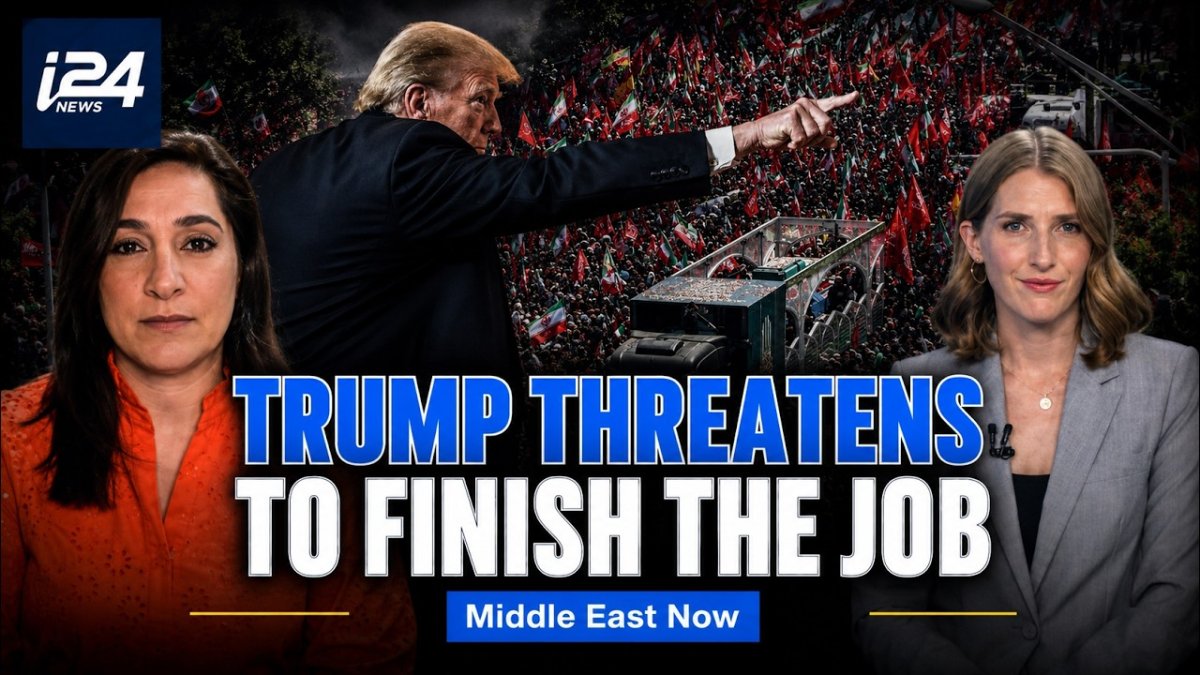
In a recent i24NEWS report, footage showed hundreds of thousands of mourners lining the streets of Tehran as funeral processions for Iran's slain Supreme Leader Ayatollah Ali Khamenei drew massive crowds across Iran and Iraq. The events unfolded against the backdrop of renewed US airstrikes on southern Iran, with President Donald Trump declaring the ceasefire memorandum of understanding "over" and threatening further military action.
Khamenei Funeral Draws Massive Crowds as Trump Resumes Iran Strikes
Jerusalem, Israel - Iran's Supreme Leader Ayatollah Ali Khamenei, killed in coordinated US-Israeli airstrikes on Tehran on February 28, 2026, began his final journey this week as funeral processions moved from Tehran to Iraq's holy cities of Najaf and Karbala. The events, which drew hundreds of thousands of mourners, coincided with a dramatic escalation in the US-Iran conflict as American warplanes struck targets in southern Iran.
Funeral Processions Draw Massive Crowds in Tehran
From July 3 to July 6, hundreds of thousands of mourners filled the streets of Tehran for Khamenei's funeral processions. The late supreme leader's coffin, draped in Iranian flags, moved through the capital under heavy security as Iranian state media broadcast images of mourners waving portraits of the ayatollah. Iranian officials declared a week of national mourning, with government offices and businesses closing across the country.
Chants of "Death to America" echoed through the crowds as mourners called for vengeance against President Trump. An Iranian military commander publicly warned the United States and Israel against any attacks during the funeral period, stating that such actions would be met with "harsh retaliation." The IRGC-run Fars News Agency reported that the Iranian armed forces were prepared to respond to any "miscalculation" by US or Israeli forces.
Processions Move to Iraq's Holy Cities
On July 8, the funeral processions shifted to Iraq's holy cities of Najaf and Karbala, home to two of Shiite Islam's holiest sites. Iraqi authorities declared a national day of mourning, closing government offices and schools across the country. The coffin was carried through the streets of Najaf, passing the golden-domed shrine of Imam Ali, before continuing to Karbala.
Delegations from Saudi Arabia and Oman attended the events in Najaf, signaling continued diplomatic engagement despite the ongoing war. The presence of Saudi and Omani officials at the funeral highlighted the complex regional dynamics at play, as Gulf states balance security concerns with their relationships with Tehran. For Israeli intelligence officials in Tel Aviv, the large gatherings raised concerns about potential mobilization of Iran-backed Shiite militias operating near the Syria-Iraq border.
US Resumes Airstrikes on Southern Iran
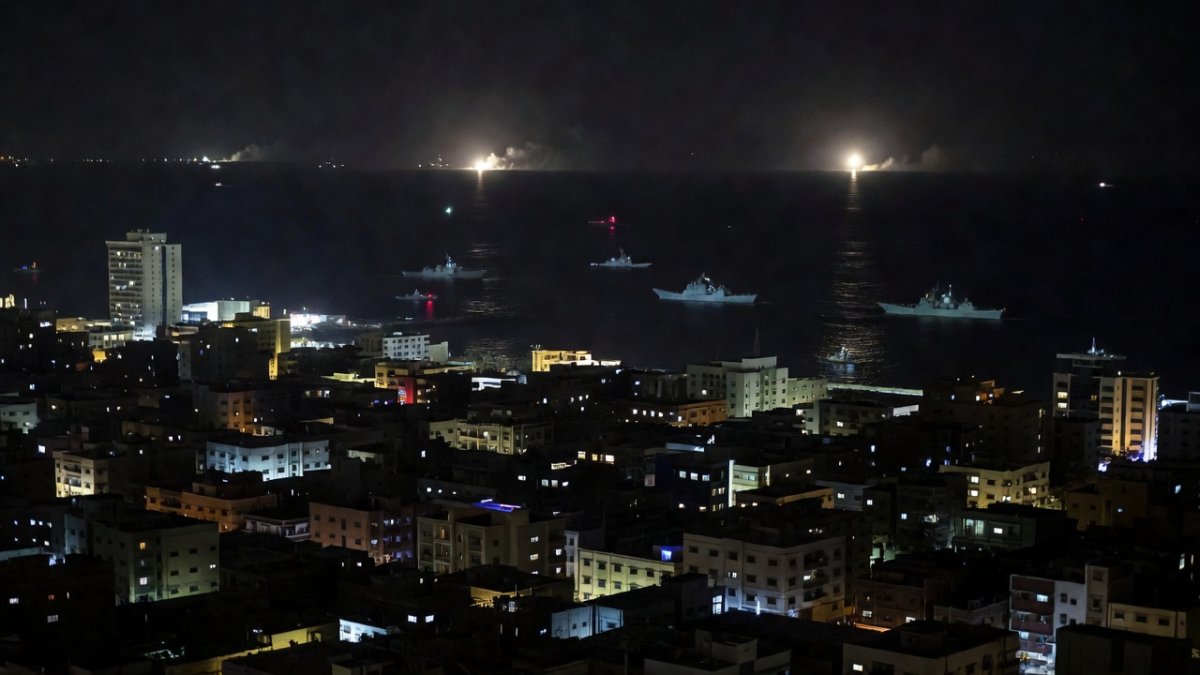
Also on July 8, the United States military launched a fresh wave of airstrikes on southern Iran, targeting facilities in Bandar Abbas, Sirik, Konarak, and Chabahar. US Central Command stated the strikes were intended "to further degrade Iran's ability to threaten freedom of navigation" through the Strait of Hormuz. Air defense systems activated across southern Iran, and air raid sirens sounded in Bahrain as missile interceptions were reported in the skies over the Gulf kingdom.
The strikes hit ports and military installations along the Gulf of Oman and the Strait of Hormuz, with Iranian state media reporting power cuts in parts of Chabahar. A US official told Reuters that the strikes were expected to be more intensive than those carried out previously. The Pentagon confirmed the targets included Iranian Revolutionary Guard Corps naval facilities and air defense batteries.
Trump Declares Ceasefire Over, Iran Threatens Retaliation
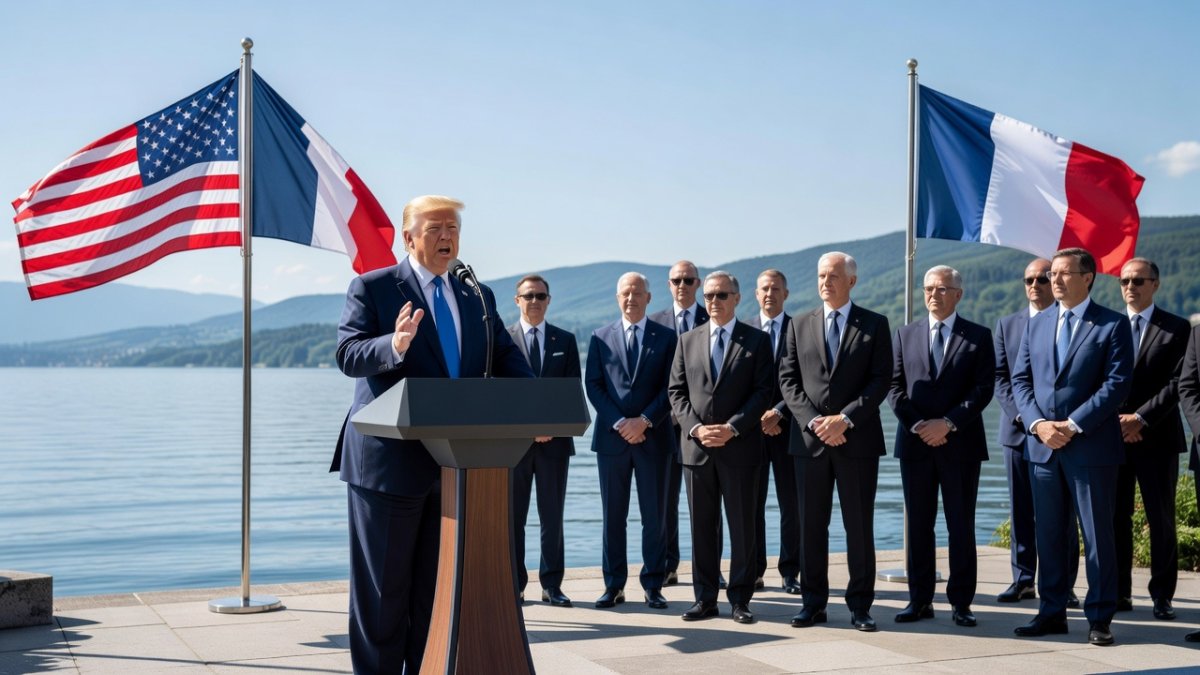
President Trump declared the memorandum of understanding with Iran "over" during remarks on July 8, calling Iranians "sick people" and stating he did not want to deal with them. In a post on Truth Social, Trump said the attacks were "in retribution for yesterday's bombing of ships by Iran," adding that "if it happens again, it will get much worse." He also stated he would give Iran "a little warning" before further strikes, saying "we are going to hit them hard tonight."
Iran responded by threatening to close the Strait of Hormuz and launch a "massive attack" on US bases in the region. According to Iranian state broadcaster Press TV, an Iranian source stated that Iran would "strike at least twice the number of targets hit" by the United States and would only reopen the Strait of Hormuz "as per the Islamabad Memorandum of Understanding." The Iranian Foreign Ministry summoned the Swiss ambassador, who represents US interests in Tehran, to deliver a formal protest.
Regional Implications for Israel
The simultaneous convergence of mass funeral processions and renewed US strikes has intensified pressure across the Middle East. For Israel, the developments carry direct security implications. The IDF's naval command has increased patrols in the Gulf of Aqaba and maintained heightened alert status at the Eilat naval base, given the threat to shipping lanes that pass near Israeli waters in the Red Sea.
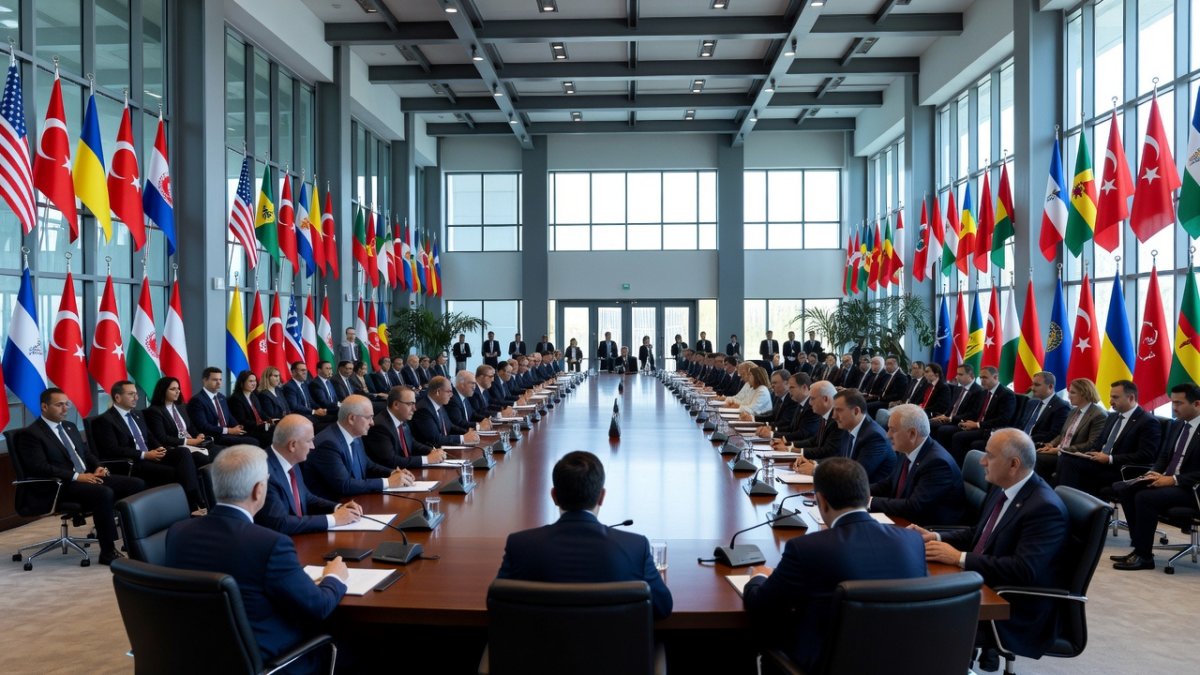
Israeli Prime Minister Benjamin Netanyahu's office maintained close contact with US Central Command through established military channels but issued no immediate public statement. The escalation coincided with the NATO summit opening in Ankara on July 8-9, where alliance members discussed the widening conflict and potential responses to Iran's threats against international shipping. Israeli diplomats used the summit to coordinate positions with European allies on sanctions enforcement and maritime security.
Meanwhile, the IDF continues to monitor Iranian proxy activity in Lebanon and Syria, while the Shin Bet maintains heightened internal security measures in Jerusalem and the West Bank. The funeral events and simultaneous military actions illustrate how symbolic rituals and battlefield decisions now intersect in real time across the Middle East, as Israel watches closely from the sidelines while the US-Iran confrontation enters a new and unpredictable phase.
By Hannah Berg, Staff Writer
What's Your Reaction?
 Like
0
Like
0
 Dislike
0
Dislike
0
 Love
0
Love
0
 Funny
0
Funny
0
 Wow
0
Wow
0
 Sad
0
Sad
0
 Angry
0
Angry
0










Comments (0)