
US-Iran MOU and Rubio's Gulf Tour: Washington's Fragile Reset Faces Regional Skepticism
**Meta Description:** Marco Rubio briefs UAE, Kuwait and Bahrain on the Trump-Pezeshkian 14-point MOU while Senate curbs military options, exposing deep Gulf concerns over security and $300B reconstruction amid shifting regional power balances. **Keywords:** US-Iran MOU, Marco Rubio Gulf tour, Trump Pezeshkian agreement, Strait of Hormuz, Senate war powers, Gulf security, Iran
Rubio’s Diplomatic Outreach to Gulf Capitals
Secretary of State Marco Rubio arrived in Abu Dhabi on June 25 for the first stop of a three-nation tour aimed at reassuring Gulf partners about the new US-Iran memorandum of understanding. He met Emirati National Security Adviser Sheikh Tahnoon bin Zayed and Kuwaiti Foreign Minister Abdullah al-Yahya in Kuwait City the following day before heading to Manama. Rubio carried detailed briefings on the 14-point interim accord signed by President Trump and Iranian President Masoud Pezeshkian, emphasizing that Washington would not repeat the 2015 JCPOA’s verification shortfalls. Discussions also touched on Sunni-Shia competition, with Gulf officials stressing that any reconstruction fund must not tilt the regional balance toward Tehran. Rubio underscored continued US commitment to Arab-Israeli normalization and energy market stability, yet several officials privately questioned whether the 60-day negotiation window would constrain Israeli options. The tour also referenced Saudi Arabia’s Vision 2030 diversification goals and the enduring framework of the Abraham Accords, as Gulf states seek to protect non-oil revenue streams valued at over $3 trillion across sovereign wealth funds.
Historical Background
The current MOU emerges from the wreckage of the 2026 Iran conflict, which followed the collapse of indirect Vienna talks in late 2025. Carnegie Middle East Center analysts note that Iran’s proxy network—spanning Hezbollah, the Houthis, and Iraqi militias—cost Tehran an estimated $4–6 billion annually before the war, draining resources that could have supported domestic stability. The 2015 JCPOA’s original architecture, criticized by Gulf states for lacking regional buy-in, set the stage for renewed confrontation when enrichment levels exceeded 60 percent. International Crisis Group reports highlight how OPEC+ production cuts by Saudi Arabia and the UAE, aimed at stabilizing prices above $80 per barrel, were repeatedly undermined by Iranian shadow exports. This historical pattern of mistrust now informs the cautious Gulf reception of the 14-point accord.
Core Provisions of the 14-Point Interim Agreement
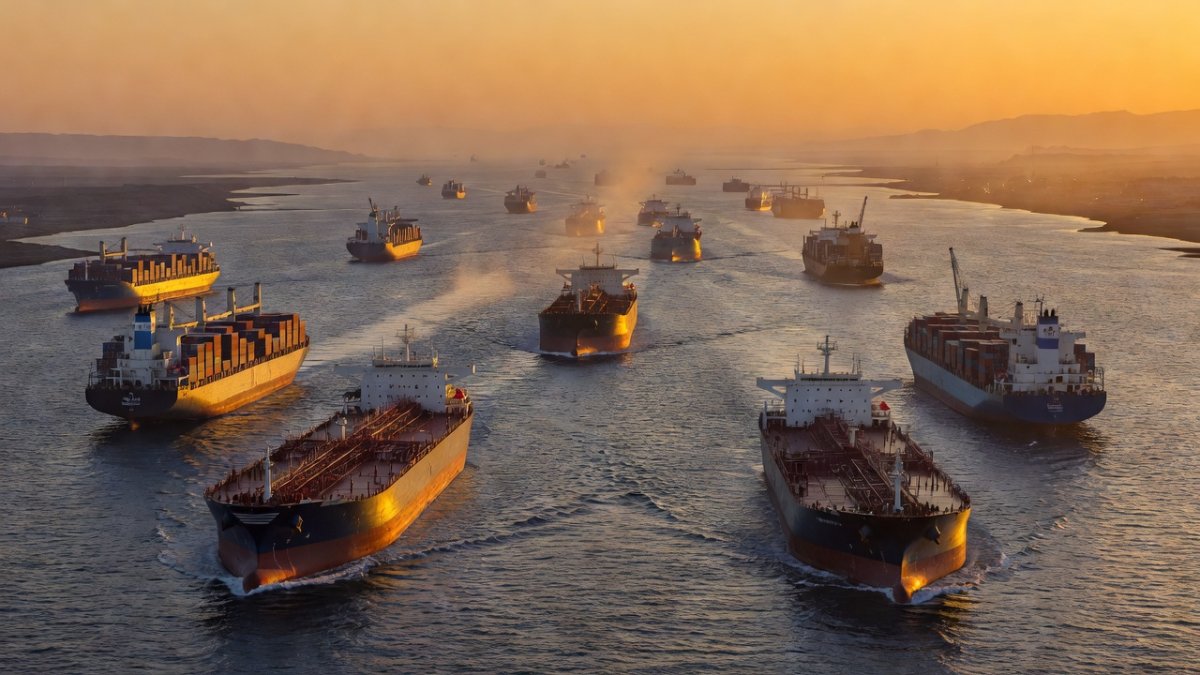
The agreement establishes an immediate ceasefire, opens the Strait of Hormuz to all commercial traffic, and creates a $300 billion reconstruction fund for war-damaged Iranian infrastructure. In exchange, Iran accepted enhanced IAEA monitoring at Fordow and Natanz for the next 18 months and pledged not to enrich uranium above 20 percent during the 60-day negotiation window. The text also references future talks on ballistic missiles and regional proxy financing. Trump administration officials argue the deal improves on the original JCPOA by including explicit Gulf security assurances, yet critics note the absence of sunset clauses on enrichment. Regional dynamics involving Turkey’s foreign policy and energy export routes add further complexity, as Ankara seeks to position itself as an alternative transit hub should Hormuz face renewed pressure. Chatham House assessments warn that without strict oversight, the fund could indirectly subsidize Iran’s proxy operations, threatening the energy-price stability central to OPEC+ coordination and Saudi Vision 2030 megaprojects.
Senate War Powers Resolution Constrains Options
On June 23 the Senate passed a war powers resolution by a 62-35 vote directing President Trump to halt any further military action against Iran without explicit congressional authorization. The measure, sponsored by a bipartisan group including Senators Lindsey Graham and Chris Murphy, reflects war fatigue after the 2026 Iran conflict that destroyed significant portions of Iran’s nuclear infrastructure. Rubio assured Gulf hosts that the resolution would not prevent defensive operations, yet it clearly limits sustained campaigns. This legislative check has already shaped Israeli calculations, prompting Jerusalem to accelerate quiet coordination with Washington rather than unilateral strikes. The resolution also intersects with Israeli-Palestinian dynamics, as some senators fear renewed Gaza escalation could derail broader Arab-Israeli normalization efforts under the Abraham Accords framework.
GOP Internal Divisions Surface Over Iran Policy
Republican strategist Adolfo Franco publicly highlighted deepening party fissures during a June 27 appearance on Fox News. Hardline members argue the MOU rewards Iranian aggression, while pragmatists emphasize that the $300 billion fund is tied to verifiable Iranian compliance and Gulf veto rights over disbursement. Franco noted that Senate Republicans from energy-producing states worry about renewed Iranian oil exports flooding markets and depressing prices below $65 per barrel. These divisions mirror broader debates over Gulf diversification strategies, as Saudi Arabia and the UAE accelerate Vision 2030 and net-zero investments that could be undermined by volatile energy revenues linked to any Hormuz disruption. International Crisis Group briefings further caution that unchecked Iranian crude could fracture OPEC+ discipline, pushing prices toward $55 and eroding Gulf sovereign wealth fund returns.
Gulf Capitals Voice Concerns Over Reconstruction Fund
During closed-door sessions, Emirati and Bahraini officials expressed alarm that the $300 billion fund lacks ironclad governance mechanisms. They fear Iranian Revolutionary Guard Corps entities could capture contracts, strengthening Shia influence across Iraq and Syria. Kuwaiti representatives raised parallel worries about maritime security, insisting that any fund allocation must be conditioned on Iranian cessation of support for Houthis. Rubio countered that the United States retains disbursement authority and that Gulf states would hold observer seats on the oversight board. Still, the conversations revealed lingering distrust rooted in Sunni-Shia competition and memories of the 2015 JCPOA’s perceived tilt toward Tehran. Carnegie Middle East Center scholars emphasize that without transparent auditing, the fund risks repeating past patterns where reconstruction aid indirectly financed proxy networks costing Iran billions yearly.
Rubio Rejects Hormuz Toll Proposals
Iranian suggestions of a transit fee to finance reconstruction were flatly rejected by Rubio in Manama. He stated that any toll mechanism would violate freedom-of-navigation principles and threaten global energy markets already strained by post-2026 supply adjustments. Saudi Arabia and the UAE, which have expanded pipeline capacity to bypass the Strait, welcomed the stance but pressed for additional US naval commitments. The exchange underscored how energy security remains central to Gulf strategic calculus, especially as Europe seeks alternative LNG supplies and Asian buyers hedge against renewed volatility. Analysts at Chatham House note that stable Hormuz transit is vital for maintaining oil prices near $75–85 per barrel, supporting both OPEC+ quotas and Gulf sovereign wealth fund growth beyond $3 trillion.
Israel-Lebanon Border Standoff Persists
Israeli Defense Minister Israel Katz declared on June 26 that IDF forces would not withdraw from southern Lebanon positions until Hezbollah’s full disarmament. The statement came hours after Washington floated a US-backed proposal linking Lebanese reconstruction aid to verified Hezbollah withdrawal north of the Litani River. Katz’s remarks complicate the fragile US-Iran MOU, as Iranian officials have signaled that Lebanese stability forms part of their regional red lines. The border impasse also affects Arab-Israeli normalization timelines, with several Gulf states conditioning further economic cooperation on tangible de-escalation along the Blue Line and progress consistent with Abraham Accords principles.
Assessing Military Outcomes Versus Original JCPOA
Former British ambassador Mark Lyall Grant questioned whether the 2026 military campaign produced results superior to the 2015 JCPOA. Speaking at a London think-tank event, he noted that while enrichment facilities suffered damage, Iran retains significant breakout capacity and has accelerated missile development. Grant argued that the new MOU’s 60-day window essentially recreates the original deal’s negotiating pressure without addressing proxy networks. His assessment resonates in Gulf capitals where officials weigh whether sustained sanctions relief will ultimately empower Iranian hardliners or foster pragmatic engagement. International Crisis Group data indicates Iran’s proxy expenditures remain a core budgetary priority, potentially offsetting any reconstruction gains.
Regional Implications
The interim accord carries wide-ranging consequences for Gulf economic planning and security architectures. Saudi Vision 2030 projects, already budgeted at hundreds of billions, depend on predictable energy revenues that could be jeopardized by renewed Iranian oil flows or Hormuz instability. Abraham Accords signatories fear that any perceived US tilt toward Tehran might slow further normalization deals. OPEC+ dynamics are equally delicate: additional Iranian barrels risk undermining production discipline and pushing prices below the $65 threshold that several Gulf finance ministries view as a fiscal red line. Think-tank assessments from Carnegie and Chatham House stress that durable regional stability will require explicit linkages between the MOU and Gulf security guarantees.
Strategic Calculus for All Regional Actors
The MOU forces recalibration across multiple capitals. GCC states must balance desire for lower tensions against fears of Iranian resurgence. Israel weighs continued Lebanon operations against US pressure to avoid derailing the 60-day talks. Iran seeks sanctions relief while preserving leverage through proxies. Turkey watches for openings to expand influence in energy corridors. Ultimately, the fragile reset hinges on whether Washington can convert the interim accord into durable constraints before domestic political calendars in Tehran and Washington again shift the terrain. By Malik Hassan, Staff Writer
This article was produced with AI-assisted research and editorial support. Reporting is based on sources cited in the article.
What's Your Reaction?
 Like
0
Like
0
 Dislike
0
Dislike
0
 Love
0
Love
0
 Funny
0
Funny
0
 Wow
0
Wow
0
 Sad
0
Sad
0
 Angry
0
Angry
0
Middle East Correspondent at Global1.News. Based in Beirut, covering politics, conflict, energy, and society across the Middle East. Brings context and depth to a region often reduced to headlines.









Comments (0)