
Gunmen Abduct Principal, Students During NECO Exam in Kogi
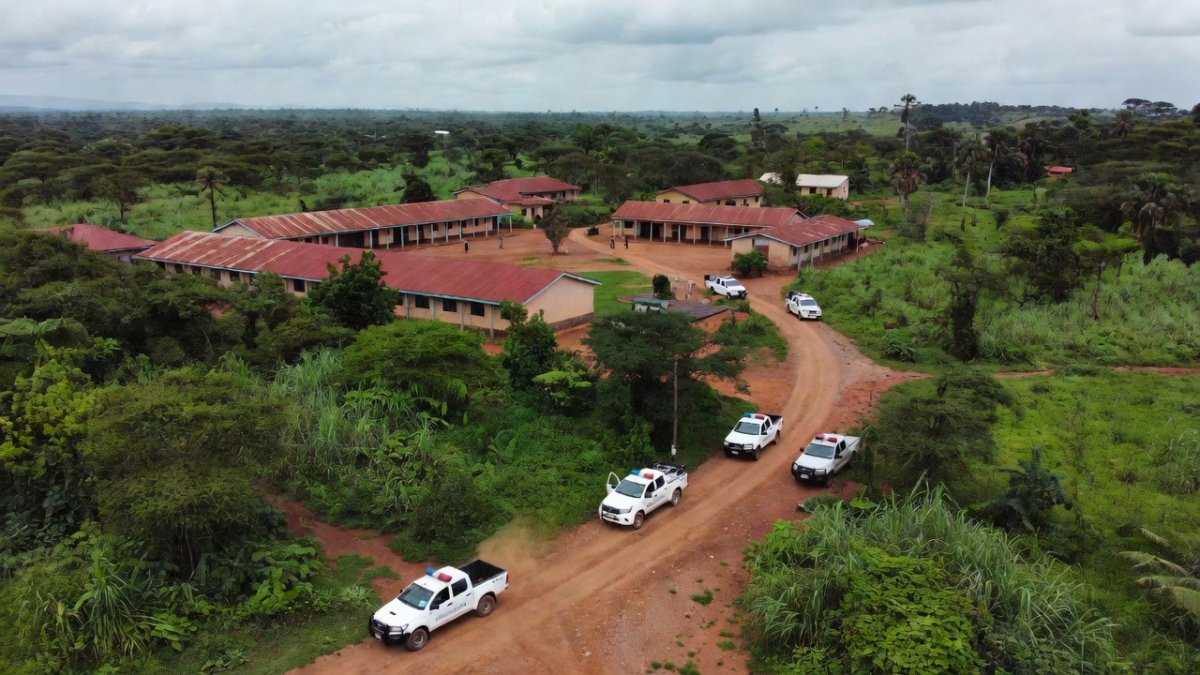
Attack During NECO Examinations: A New Low in School Insecurity In a brazen assault that has sent shockwaves across Nigeria, armed gunmen stormed Government Secondary School in Olowa, Dekina Local Government Area of Kogi State, on Tuesday evening, snatching the school principal, four students, and a National Examinations Council ad hoc staff member right in the middle of ongoing NECO examinations.
Attack During NECO Examinations: A New Low in School Insecurity
In a brazen assault that has sent shockwaves across Nigeria, armed gunmen stormed Government Secondary School in Olowa, Dekina Local Government Area of Kogi State, on Tuesday evening, snatching the school principal, four students, and a National Examinations Council ad hoc staff member right in the middle of ongoing NECO examinations. The attack, which occurred at approximately 5:25 pm as candidates hunched over their answer sheets, represents yet another grim chapter in the escalating war against education in our country. As a journalist who has covered security crises from the creeks of the Niger Delta to the dusty plains of the Sahel, I find this incident particularly heartbreaking. It is not merely a criminal act; it is an assault on the future of our children and the very foundation of our nation's development.
According to security analyst Zagazola Makama, whose reports on Lake Chad region insurgencies have become essential reading for policymakers, the gunmen arrived heavily armed and operated with chilling efficiency. They swept through the school compound, rounded up their victims, and vanished into the surrounding bush before any meaningful resistance could be mounted. One student has since been rescued, but five others, including the principal and the NECO official, remain in captivity. This incident comes at a time when Nigerian parents are already grappling with anxiety over school safety, especially during national examination periods that should symbolise hope rather than fear.
The timing could not be more symbolic or more devastating. NECO examinations represent a critical milestone for millions of Nigerian youths seeking admission into tertiary institutions. To disrupt this process so violently is to attack the aspirations of an entire generation. In my years reporting from across the continent, I have seen how education remains Africa's most powerful tool against poverty. When gunmen target examination halls, they are not just kidnapping individuals; they are kidnapping futures.
Kogi State: A Breeding Ground for School Abductions
Kogi State, strategically located at the confluence of Nigeria's two major rivers, has increasingly found itself at the crossroads of insecurity. Once known primarily for its agricultural output and cultural heritage, the state now contends with a disturbing pattern of school-targeted abductions. Government Secondary School Olowa is only the latest in a series of educational institutions to come under attack in the region. Local security sources indicate that at least seven schools in Kogi and neighbouring states have faced similar invasions in the past 18 months.
The state's geography, characterised by thick forests and riverine terrain, provides perfect cover for criminal elements. Bandits and kidnappers exploit the porous borders with Nasarawa, Benue, and Niger states to move freely. Governor Usman Ododo, who assumed office in 2024, has prioritised security through community policing initiatives, yet the sophistication of these attacks suggests that more coordinated federal intervention is urgently required. Security analyst Zagazola Makama notes that Kogi's position makes it vulnerable to spillover effects from conflicts in the North-West and North-East.
Residents of Dekina speak of growing fear. Mrs Amina Yusuf, a mother of two students at the school who requested anonymity for safety reasons, told Global1.News that parents now debate whether to allow children to sit for external examinations at all. "We send them to school to secure their tomorrow, but now school has become a place of danger," she lamented. This sentiment echoes across many communities in North-Central Nigeria, where the social contract between citizens and the state appears increasingly strained.
Historical data from the Nigeria Security Tracker reveals that Kogi recorded 43 kidnapping incidents involving educational institutions between 2021 and 2024. These figures, while underreported, paint a troubling picture of a state gradually losing ground to non-state actors who view schools as soft targets for ransom generation.
The Victims: Students, Teachers, and the NECO Examination System
The human face of this tragedy cannot be overstated. The abducted students, whose names are being withheld to protect ongoing rescue operations, range in age from 15 to 18 years. They were writing their English Language paper when the gunmen struck. Their principal, Mr Joseph Salifu, is a veteran educator with over 25 years of service. The NECO ad hoc staff member, identified only as Mrs Grace Akpa, was supervising the examination when she too was taken.
This attack strikes at the heart of Nigeria's examination system. NECO, established in 1999 to cater for the diverse educational needs of Nigerian students, conducts annual examinations for over 1.5 million candidates nationwide. When supervisors and students are abducted during these exams, the entire process suffers. Some candidates at Government Secondary School Olowa reportedly abandoned their papers in panic, potentially jeopardising years of preparation.
The psychological impact on victims cannot be quantified easily. We remember the Chibok girls, 276 of whom were abducted from their school in Borno State in April 2014 by Boko Haram insurgents. While 57 escaped immediately and others were released through negotiations and military operations, the trauma persists. Similarly, the 2021 abduction of over 300 students from Government Science Secondary School in Jangebe, Zamfara State, and the 2023 kidnapping of students from Bethel Baptist High School in Kaduna, remind us that this is not an isolated phenomenon but a sustained campaign against learning.
Security experts like Makama warn that targeting examination periods is a calculated strategy. "Criminals understand that these moments bring together valuable human targets in locations with predictable security patterns," he explained in a recent interview. The inclusion of a NECO official among the abducted suggests the perpetrators may be seeking higher ransom demands or attempting to disrupt the national examination calendar deliberately.
Security Response and Rescue Operations
Immediately following the attack, a combined team of police, military, and local vigilantes launched a massive search-and-rescue operation. According to Makama's report, security forces have commenced intensive bush-combing exercises across Dekina and its environs. Intelligence gathering and aerial surveillance are being deployed to track the kidnappers' movement.
Kogi State Police Command spokesperson, SP William Aya, confirmed that one student has already been rescued unharmed. "Our operatives are working round the clock with sister agencies to ensure the safe return of the remaining victims," he stated during a press briefing in Lokoja. The rapid rescue of one victim offers a glimmer of hope, yet the fate of the others remains uncertain as negotiations through intermediaries continue.
The operation highlights both the strengths and limitations of Nigeria's security architecture. While inter-agency collaboration has improved since the establishment of joint task forces in North-Central states, challenges such as inadequate funding, poor intelligence coordination, and difficult terrain continue to hamper efforts. Sources within the security establishment, speaking on condition of anonymity, revealed that the kidnappers are believed to be part of a syndicate operating between Kogi and Nasarawa states, specialising in high-profile abductions.
Regional security analyst Dr Fatima Yusuf, from the Institute for Peace and Conflict Resolution in Abuja, commended the swift response but cautioned against over-reliance on military solutions. "Sustainable security requires addressing the socio-economic conditions that breed these criminals while strengthening community intelligence networks," she observed.
Banditry and Kidnapping: The Broader Security Crisis in North-Central Nigeria
This incident in Kogi cannot be viewed in isolation. It forms part of a wider pattern of banditry and kidnapping that has engulfed North-Central Nigeria. From the mineral-rich hills of Plateau to the agrarian communities of Benue, criminal networks have transformed kidnapping into a lucrative enterprise. According to the International Crisis Group, ransom payments in Nigeria exceeded $18 million in 2023 alone, with education sector targets featuring prominently.
The North-Central region, often described as Nigeria's food basket, now battles multiple security threats including farmer-herder conflicts, separatist agitations, and organised banditry. In 2023, Kaduna State recorded 82 school abductions, while Zamfara and Niger states continue to report weekly incidents. The convergence of these threats creates a complex web that conventional policing struggles to untangle.
Boko Haram's legacy in the North-East, where over 2,000 teachers have been killed since 2009 according to UNESCO data, has inspired similar tactics among criminal groups in other regions. What began as ideological warfare has morphed into economic criminality, with schoolchildren becoming commodities in a macabre trade. The African Union has expressed concern about the continental implications, noting that Nigeria's education crisis affects regional stability given the country's demographic weight.
President Bola Ahmed Tinubu's administration has pledged to tackle insecurity through technological solutions including drone surveillance and improved border control. However, implementation gaps remain evident in states like Kogi where geography favours criminals. The connection between illegal mining activities in the region and funding for banditry has been well documented by the Nigeria Extractive Industries Transparency Initiative.
Community and Government Reactions
Community leaders in Dekina have expressed outrage mixed with resignation. The traditional ruler of the area, HRH Mallam Yakubu Aboje, called for urgent government intervention during an emergency meeting of stakeholders. "Our children are our wealth. When they cannot learn in peace, the entire community suffers," he declared.
In Lokoja, Governor Usman Ododo convened an emergency security council meeting, directing all security agencies to prioritise the rescue mission. The governor has promised to increase funding for school security infrastructure including perimeter fencing and surveillance systems across Kogi State. Federal lawmakers from the state, including Senator Yakubu Oseni, have urged the Inspector General of Police to treat the matter as a national emergency.
Civil society organisations have also weighed in. The Education Rights Campaign issued a statement demanding concrete measures to protect learning spaces. "We cannot continue to normalise the abduction of students and teachers," said campaign coordinator Mr Taiwo Adeyemi. Parents' associations across North-Central states are considering collective action, including possible boycotts of external examinations until safety guarantees are provided.
Religious leaders from both Christian and Muslim communities in Kogi have jointly prayed for the victims' safe return while calling for moral rearmament against criminality. This rare interfaith solidarity underscores the universal recognition that education remains a shared value that transcends religious and ethnic divisions.
What This Means for the Future of Education in Nigeria
The abduction at Government Secondary School Olowa raises fundamental questions about the sustainability of Nigeria's education system amid persistent insecurity. With over 10.5 million out-of-school children according to UNICEF's latest figures, incidents like this further discourage enrolment and parental investment in education. When schools become battlegrounds, the dream of human capital development that underpins Vision 2050 becomes increasingly elusive.
Experts warn that continued attacks could trigger a reverse migration of teachers from rural to urban areas, exacerbating existing disparities. Already, many qualified educators in North-Central states are reluctant to accept postings to vulnerable communities. The long-term economic implications are staggering. The World Bank estimates that each additional year of schooling increases earnings by 10 percent. By disrupting education, these criminal elements are effectively mortgaging Nigeria's economic future.
However, this crisis also presents an opportunity for transformative action. Investments in technology-driven security, community engagement, and alternative learning models could help mitigate risks. Countries like Kenya and Ghana have successfully implemented safe school programmes that combine physical security with psychosocial support. Nigeria could adapt these models to its unique context.
As someone who believes deeply in Africa's potential, I remain convinced that our greatest resource lies in our youthful population. Protecting their right to education is not merely a security issue; it is a developmental imperative. The children abducted in Olowa represent Nigeria's tomorrow. Their safe return and the prevention of future attacks must become non-negotiable priorities for all levels of government.
The international community too must recognise that Nigeria's education crisis has regional implications. From the ECOWAS headquarters in Abuja to the African Union Commission in Addis Ababa, there should be coordinated support for safe schools initiatives. Ultimately, defeating this menace requires addressing root causes: poverty, unemployment, weak governance, and the proliferation of small arms across the Sahel.
Until we create an environment where every Nigerian child can pursue knowledge without fear, our journey towards sustainable development will remain incomplete. The gunmen who invaded Government Secondary School Olowa did not just abduct individuals; they challenged our collective commitment to building a better Nigeria through education. Our response must be equally determined, equally strategic, and ultimately victorious.
By Sarah Okafor, Staff Writer
This article was produced with AI-assisted research and editorial support. Reporting is based on sources cited in the article.
What's Your Reaction?
 Like
0
Like
0
 Dislike
0
Dislike
0
 Love
0
Love
0
 Funny
0
Funny
0
 Wow
0
Wow
0
 Sad
0
Sad
0
 Angry
0
Angry
0

Africa Correspondent at Global1.News. Based in Lagos, covering politics, business, technology, and culture across the continent. Focused on telling African stories beyond the headlines — the innovation, entrepreneurs, and communities shaping the region's future.














Comments (0)