
Rubio seeks to reassure Gulf allies over proposed Iran deal
Rubio's Diplomatic Mission to Reassure Gulf Partners U.S. Secretary of State Marco Rubio arrived in Abu Dhabi late on Tuesday to begin a three-day tour of Gulf states. His mission centers on explaining the recently signed U.S.-Iran accord and addressing security worries among longstanding American allies. The agreement, reached last week, marks the first formal document signed
Rubio's Diplomatic Mission to Reassure Gulf Partners
U.S. Secretary of State Marco Rubio arrived in Abu Dhabi late on Tuesday to begin a three-day tour of Gulf states. His mission centers on explaining the recently signed U.S.-Iran accord and addressing security worries among longstanding American allies. The agreement, reached last week, marks the first formal document signed by American and Iranian presidents since Iran's 1979 Islamic Revolution. It includes a proposed $300 billion fund and the waiver of some sanctions for Tehran.
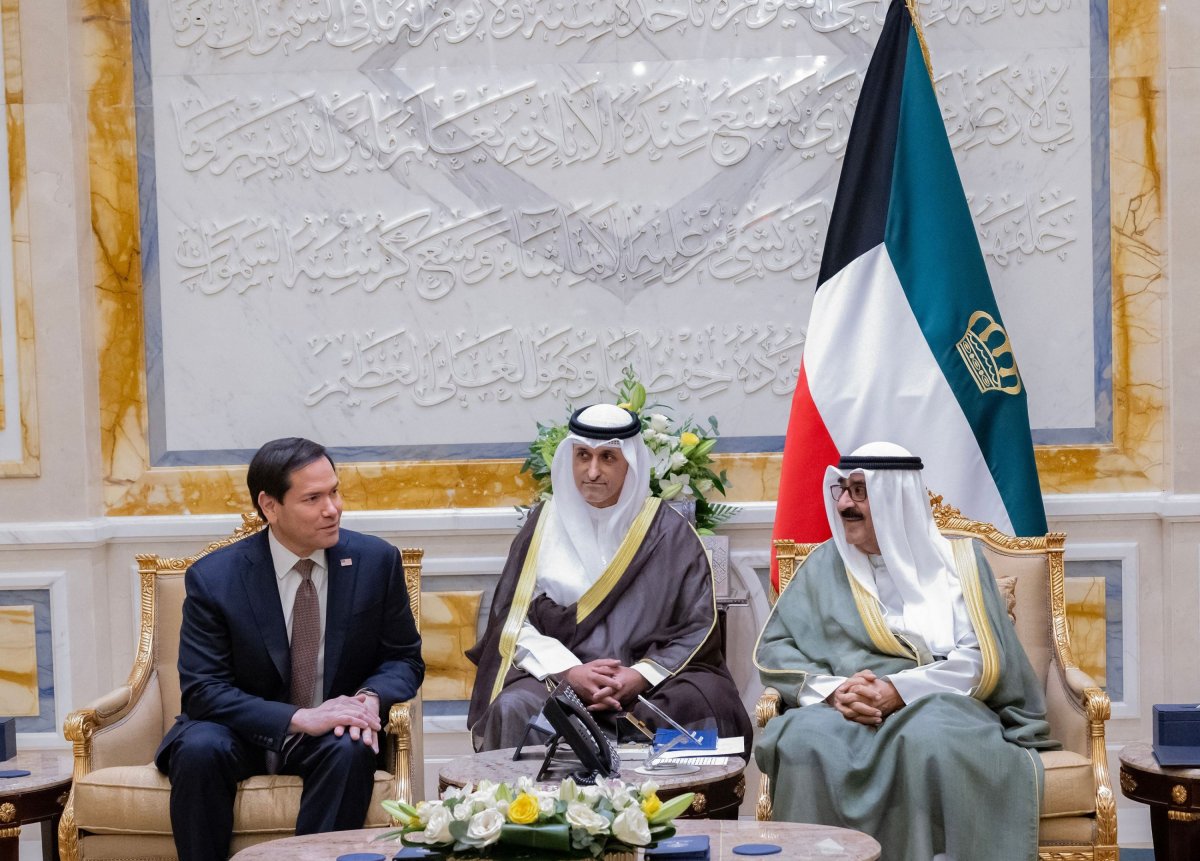
During stops in the UAE and Kuwait, Rubio pledged that Washington would not compromise Gulf security. He told reporters in Kuwait that the United States would avoid any steps that undermine the security of its allies in the region. The tour represents Rubio's first high-level diplomatic effort focused on the accord designed to end the four-month-old war with Iran.
The U.S.-Iran Accord Details and Timeline
The interim accord consists of a 14-point memorandum of understanding. It sets out broad agreements in principle to end the conflict. The document opens the way for 60 days of further talks on remaining issues, including aspects of Iran's nuclear programme. A central topic involves the future of Iran's highly enriched uranium, including material enriched to up to 60 percent purity.
The accord also proposes a $300 billion fund and partial sanctions relief for Tehran. Gulf allies have expressed particular concern that these resources could support military rebuilding. The agreement does not address Iran's ballistic missile capacity, another point of worry for states that faced Iranian missile and drone strikes during the war.
Rubio's Meetings with UAE Leadership
In Abu Dhabi, Rubio held a working lunch with UAE President Sheikh Mohammed bin Zayed Al Nahyan. Other senior figures present included National Security Adviser Sheikh Tahnoun bin Zayed Al Nahyan and Foreign Minister Sheikh Abdullah bin Zayed Al Nahyan. Discussions covered the memorandum of understanding with Iran, safe transit through the Strait of Hormuz, and the importance of regional peace.
The State Department noted that Rubio reaffirmed the U.S. commitment to the security of the Emirates. The UAE hosts strategic American military bases and experienced Iranian missile attacks during the conflict that resulted in civilian deaths. The country also faces economic strains from the war despite its position as a global financial centre.
Kuwait Stop and Embassy Operations
Rubio next traveled to Kuwait for talks with Emir Sheikh Meshal al-Ahmad al-Sabah. The discussions focused on efforts to strengthen security and stability, according to Kuwait's state news agency KUNA. Rubio also attended a flag-raising ceremony at the U.S. Embassy, which had resumed operations after Iran-linked drone attacks forced a temporary suspension.
Kuwait, like the UAE and Bahrain, hosts important American military facilities. These bases came under Iranian missile fire during the war. Rubio's itinerary includes a later stop in Bahrain, completing visits to three nations directly affected by the conflict.
Strait of Hormuz Developments and Energy Markets
During the war, Tehran gained effective control of the Strait of Hormuz. Commercial shipping of oil and gas faced heavy disruption, which rattled energy markets and the wider world economy. Shipping has now begun flowing through the waterway again, contributing to a fall in oil prices.
Longer-term operation and management of the strait remain under discussion between Iran, Oman and other Gulf states. Separately, Qatari Prime Minister Sheikh Mohammed bin Abdulrahman al-Thani visited Muscat for talks with Oman on initiating negotiations involving Iran, Iraq and Gulf Arab states regarding the strait. These discussions proceed independently of the U.S.-Iran peace talks.
Additional plans exist for regional reconciliation talks in Saudi Arabia. These would involve Iran, Gulf Arab states and possibly other regional countries.
Strategic Calculus for Gulf States and the United States
Gulf states seek credible assurances that the new accord will not weaken their defensive posture. They worry about Iran's potential use of the proposed $300 billion fund and the absence of limits on ballistic missiles. At the same time, the United States aims to maintain its alliances while advancing an agreement that President Trump supports.
Rubio has been largely absent from recent Iran-related discussions. Vice President JD Vance instead led a round of talks with Iranian counterparts over the weekend in Switzerland. Rubio's current mission requires him to defend the preliminary accord while addressing the concrete security concerns raised by his Gulf counterparts.
Regional Reconciliation and Separate Diplomatic Tracks
The separate talks involving Qatar, Oman and other parties on the Strait of Hormuz illustrate the existence of multiple diplomatic channels. These efforts focus on practical management of the waterway rather than the broader U.S.-Iran framework. The planned Saudi-hosted reconciliation meetings could provide another venue for addressing outstanding issues among regional actors.
Such parallel processes reflect the complex web of interests in the Gulf. Countries that host U.S. bases and suffered direct attacks during the war must balance immediate security needs with longer-term economic recovery.
Outlook for Implementation and Remaining Questions
The 60-day period following the 14-point memorandum will determine how issues such as Iran's nuclear programme and enriched uranium are handled. Tehran maintains that its nuclear activities serve peaceful purposes. Rubio's remarks throughout the tour will be closely watched for indications of how the agreement will be presented to skeptical audiences, including congressional Republicans who view it as overly concessional.
The tour underscores the delicate balance required to sustain U.S. partnerships in the Gulf while pursuing an end to the conflict with Iran. Continued shipping through the Strait of Hormuz and falling oil prices offer early signs of stabilization, yet the full operational arrangements and security guarantees remain subjects of ongoing negotiation.
By Malik Hassan, Staff Writer
This article was produced with AI-assisted research and editorial support. Reporting is based on sources cited in the article.
What's Your Reaction?
 Like
0
Like
0
 Dislike
0
Dislike
0
 Love
0
Love
0
 Funny
0
Funny
0
 Wow
0
Wow
0
 Sad
0
Sad
0
 Angry
0
Angry
0

Middle East Correspondent at Global1.News. Based in Beirut, covering politics, conflict, energy, and society across the Middle East. Brings context and depth to a region often reduced to headlines.












Comments (0)