
US Bombs Iran After Ship Attacks in Strait of Hormuz
US Vice President Confirms Recent Strikes on Iran US Vice President JD Vance stated that American forces dropped bombs on Iran a few days ago in response to Iranian attacks on commercial vessels in the Strait of Hormuz. The confirmation came during public remarks that also referenced ongoing indirect negotiations between Washington and Tehran. On June 26, 2026, US Central Comma
US Vice President Confirms Recent Strikes on Iran
US Vice President JD Vance stated that American forces dropped bombs on Iran a few days ago in response to Iranian attacks on commercial vessels in the Strait of Hormuz. The confirmation came during public remarks that also referenced ongoing indirect negotiations between Washington and Tehran.
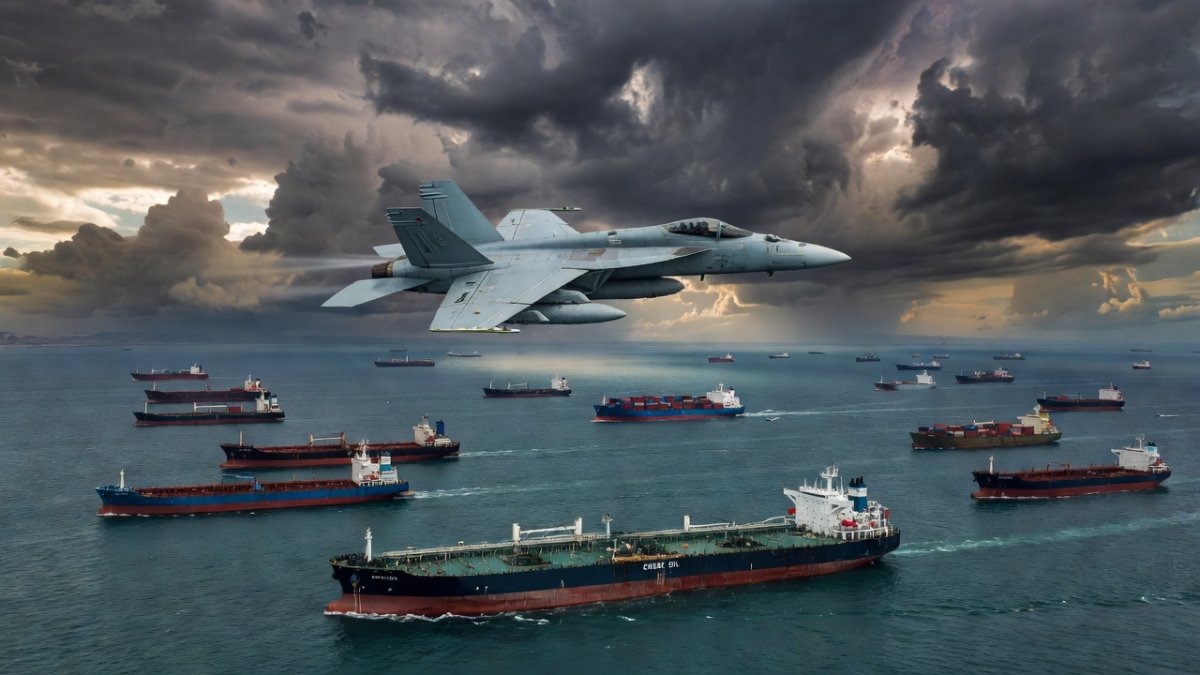
On June 26, 2026, US Central Command carried out strikes against Iranian missile and drone storage facilities as well as coastal radar installations. These targets were selected after an Iranian drone hit a commercial cargo ship transiting the vital waterway.
Background of the 2026 Iran Conflict and Ceasefire
The current round of US-Iran confrontation forms part of the broader 2026 Iran war that opened with coordinated US-Israeli airstrikes on military and government sites inside Iran. Those initial operations included the targeted killing of Supreme Leader Ali Khamenei. A 60-day ceasefire agreement took effect in April 2026, yet President Donald Trump described the latest Iranian action as a “foolish violation” of that truce.
Regional powers have watched the escalation closely. Gulf states in particular fear any renewed closure or disruption of the Strait of Hormuz, through which approximately 20 percent of global oil supply passes daily.
Indirect US-Iran Talks Underway in Doha
Despite the fresh military exchanges, US and Iranian representatives continue indirect talks in Doha, Qatar. Qatari and Pakistani officials are serving as mediators. The agenda centers on the release of roughly $3 billion in initially unfrozen Iranian assets and the establishment of basic maritime security protocols for the Strait of Hormuz.
President Trump characterized the discussions as “going well” and showing “positive progress.” Both sides appear to be using the Qatari channel to prevent further immediate escalation while addressing core economic and security concerns.
Strategic Calculus Behind US Warnings on Iran’s Nuclear Program
Vance explicitly warned that Washington retains “other options” should Iran attempt to reconstitute its nuclear program. This statement signals that US policymakers view the nuclear file as separate from the immediate maritime dispute yet still linked through deterrence logic. Iranian leaders must weigh the risk of additional strikes against any decision to accelerate enrichment activities.
From Tehran’s perspective, the frozen-asset tranche and maritime de-escalation represent limited but tangible gains. However, any perception that the United States is prepared to expand targeting to nuclear-related infrastructure could alter Iran’s cost-benefit calculations in the coming weeks.
Gulf States and Broader Regional Repercussions
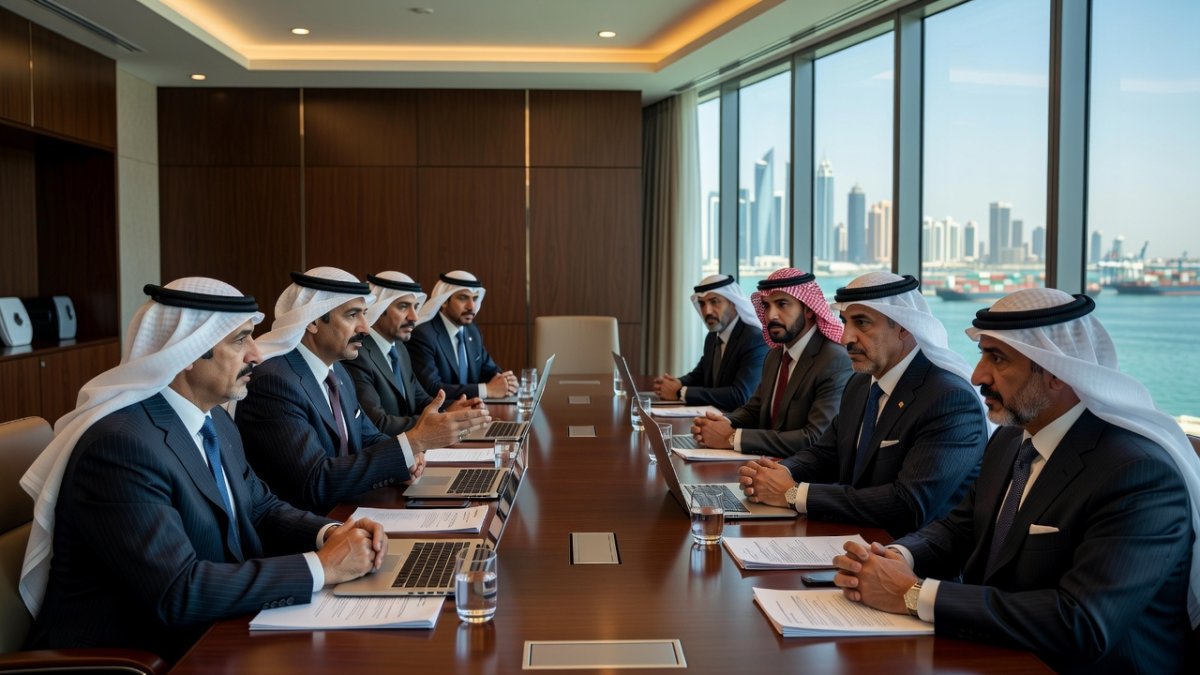
GCC capitals have already begun internal discussions on a post-agreement maritime security framework for the Strait of Hormuz. Saudi Arabia, the United Arab Emirates, and Oman share an interest in keeping energy exports flowing and preventing any single power from dominating the chokepoint. These states also monitor how the US-Iran channel might affect their own diversification agendas away from hydrocarbon dependence.
Turkey-Israel tensions add another layer of complexity. Public exchanges between President Recep Tayyip Erdogan and Prime Minister Benjamin Netanyahu now span Syria, Lebanon, Iran, and the eastern Mediterranean. Ankara’s support for certain non-state actors and Israel’s security operations create overlapping flashpoints that could intersect with the Hormuz crisis if either side seeks leverage.
Energy Markets and Great-Power Dimensions
Oil markets remain highly sensitive to any credible threat against Hormuz transit. Even limited disruptions have produced immediate price spikes in recent days. European and Asian importers are therefore urging de-escalation while quietly exploring alternative routes and stockpiling measures.
Great-power competition further complicates the picture. Russia and China maintain diplomatic and economic ties with Iran; both capitals have called for restraint without endorsing the US strikes. Washington’s ability to sustain pressure on Tehran therefore depends partly on whether Moscow and Beijing choose to supply diplomatic cover or material support in the weeks ahead.
The coming phase will test whether the Qatari-mediated channel can convert the current fragile pause into a more durable arrangement covering both maritime security and nuclear restraints. Each actor’s leverage, from US military reach to Iranian asymmetric capabilities and Gulf economic interests, will shape the next moves.
By Malik Hassan, Staff WriterThis article was produced with AI-assisted research and editorial support. Reporting is based on sources cited in the article.
What's Your Reaction?
 Like
0
Like
0
 Dislike
0
Dislike
0
 Love
0
Love
0
 Funny
0
Funny
0
 Wow
0
Wow
0
 Sad
0
Sad
0
 Angry
0
Angry
0

Middle East Correspondent at Global1.News. Based in Beirut, covering politics, conflict, energy, and society across the Middle East. Brings context and depth to a region often reduced to headlines.














Comments (0)