
US and Iran Exchange Strikes Again as War Escalates
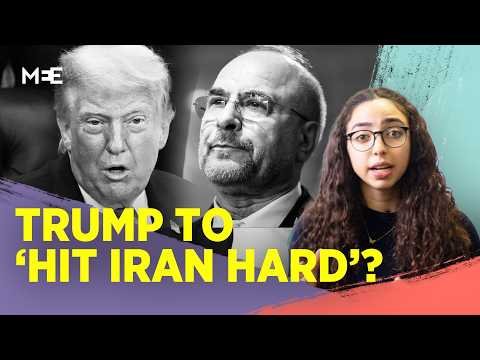
In a recent Middle East Eye report titled "Are the US and Iran at war again?", renewed exchanges of strikes between Washington and Tehran are placed under scrutiny as the conflict enters a dangerous new phase. The video highlights how an Iranian downing of a US helicopter near the Strait of Hormuz on June 9 has triggered fresh American retaliation. This escalation threatens to
In a recent Middle East Eye report titled "Are the US and Iran at war again?", renewed exchanges of strikes between Washington and Tehran are placed under scrutiny as the conflict enters a dangerous new phase. The video highlights how an Iranian downing of a US helicopter near the Strait of Hormuz on June 9 has triggered fresh American retaliation. This escalation threatens to unravel any remaining space for de-escalation in a war that has already lasted more than three months.
US and Iran Exchange Strikes Again as War Escalates
Ramallah, Palestine – June 11, 2026 — The United States and Iran traded fresh blows over the past two days, with American forces conducting a second night of strikes against Iranian air defence and radar sites near the Strait of Hormuz. Iran responded by firing anti-ship missiles toward US vessels and targeting American military assets in Kuwait, Bahrain, and Jordan. The sequence of events follows Iran's downing of a US Army AH-64 Apache helicopter on June 9 and marks the sharpest intensification since an April ceasefire.
Sequence of the Latest Strikes
US Central Command confirmed that the June 9 strikes were carried out in self-defence after the helicopter incident. A further round of attacks on June 10-11 targeted Iranian military installations along the coastline. CENTCOM stated that US forces "remain prepared" for additional operations if required.
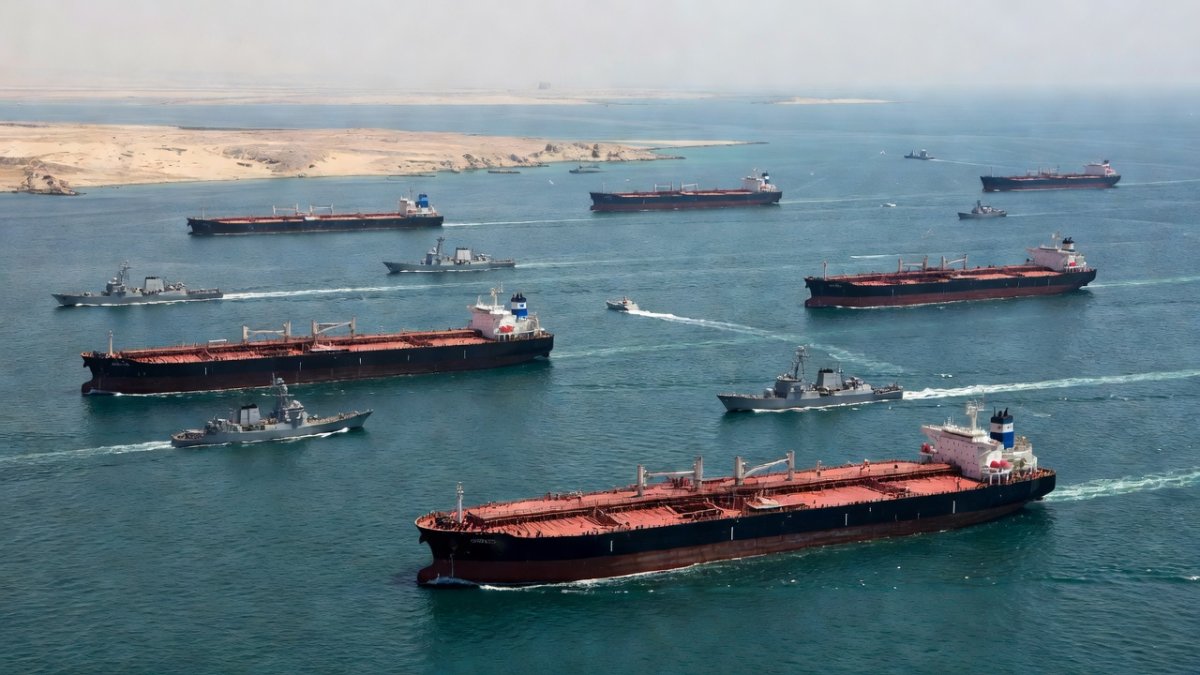
Iran closed the Strait of Hormuz once more on June 10, blocking roughly 20 percent of global oil trade. Iranian officials described the closure as a necessary defensive measure following the American attacks. The waterway, which connects the Persian Gulf to the Gulf of Oman, is a crucial chokepoint for energy shipments from Saudi Arabia, the UAE, Iraq, Kuwait, and Qatar.
Origins and Broader Context of the War
The current round of fighting forms part of the wider US-Iran war that began on February 28, 2026, when the United States and Israel launched coordinated strikes against Iranian targets. That campaign followed the assassination of Iran's Supreme Leader Ali Khamenei. CENTCOM has reported that more than 11,000 targets inside Iran have been struck since the war started.
On June 8, Israel and Iran exchanged missile strikes for the first time since the April ceasefire. President Donald Trump reportedly urged Israeli Prime Minister Benjamin Netanyahu not to respond further to those Iranian attacks.
Domestic Political Pressure in the United States
The US House of Representatives passed a bill on June 3 by a vote of 215-208 that would require congressional approval for continuation of the war. The measure reflects growing concern among lawmakers over the open-ended nature of the campaign and its mounting costs.
President Trump described Iran as "the bully of the Middle East" while vowing retaliation for the helicopter incident. Administration officials have framed the latest strikes as limited defensive actions rather than a broader offensive.
Human Impact Across the Region
Civilian infrastructure inside Iran has sustained repeated damage, including residential neighbourhoods and the Iran University of Science and Technology. More than 92 million people across the country have been affected by power outages, disrupted medical services, and restricted access to clean water.
The fighting has also drawn in Yemen's Houthis and Iraqi militias, spreading insecurity beyond Iran's borders. Palestinians in Gaza and the West Bank have experienced additional displacement and hardship as international attention and resources shift away from their ongoing crisis under occupation. For Palestinians already enduring the daily realities of military occupation and blockade, the widening regional war threatens to further marginalize their suffering on the global stage.
International Reactions and Geopolitical Risks
UN Security Council members have warned that the escalation could trigger a wider Middle East war. Iran's UN mission dismissed a scheduled Security Council meeting as "another display of hypocrisy," arguing that the body has failed to address the initial assassination of Khamenei and subsequent strikes.
The re-closure of the Strait of Hormuz has immediate consequences for global energy markets and for economies already strained by months of conflict. Regional actors continue to assess whether further involvement by proxy forces will widen the confrontation or remain contained.
The question posed in the Middle East Eye report — "Are the US and Iran at war again?" — reflects the reality that this conflict never truly paused. It is a war that has reshaped the Middle East, costing thousands of lives, destabilizing economies, and drawing in nations far beyond the initial confrontation between Washington and Tehran.
By Fatima Al-Rashid, Staff Writer
This article was produced with AI-assisted research and editorial support. Reporting is based on sources cited in the article.
What's Your Reaction?
 Like
0
Like
0
 Dislike
0
Dislike
0
 Love
0
Love
0
 Funny
0
Funny
0
 Wow
0
Wow
0
 Sad
0
Sad
0
 Angry
0
Angry
0

Gulf/MENA Correspondent at Global1.News. Based in Doha, covering Gulf politics, energy markets, diplomacy, and development across the Middle East and North Africa. Tracks the economic transformation of the Gulf states.











Comments (0)