
UN slams Israel over plan to occupy 70% of Gaza
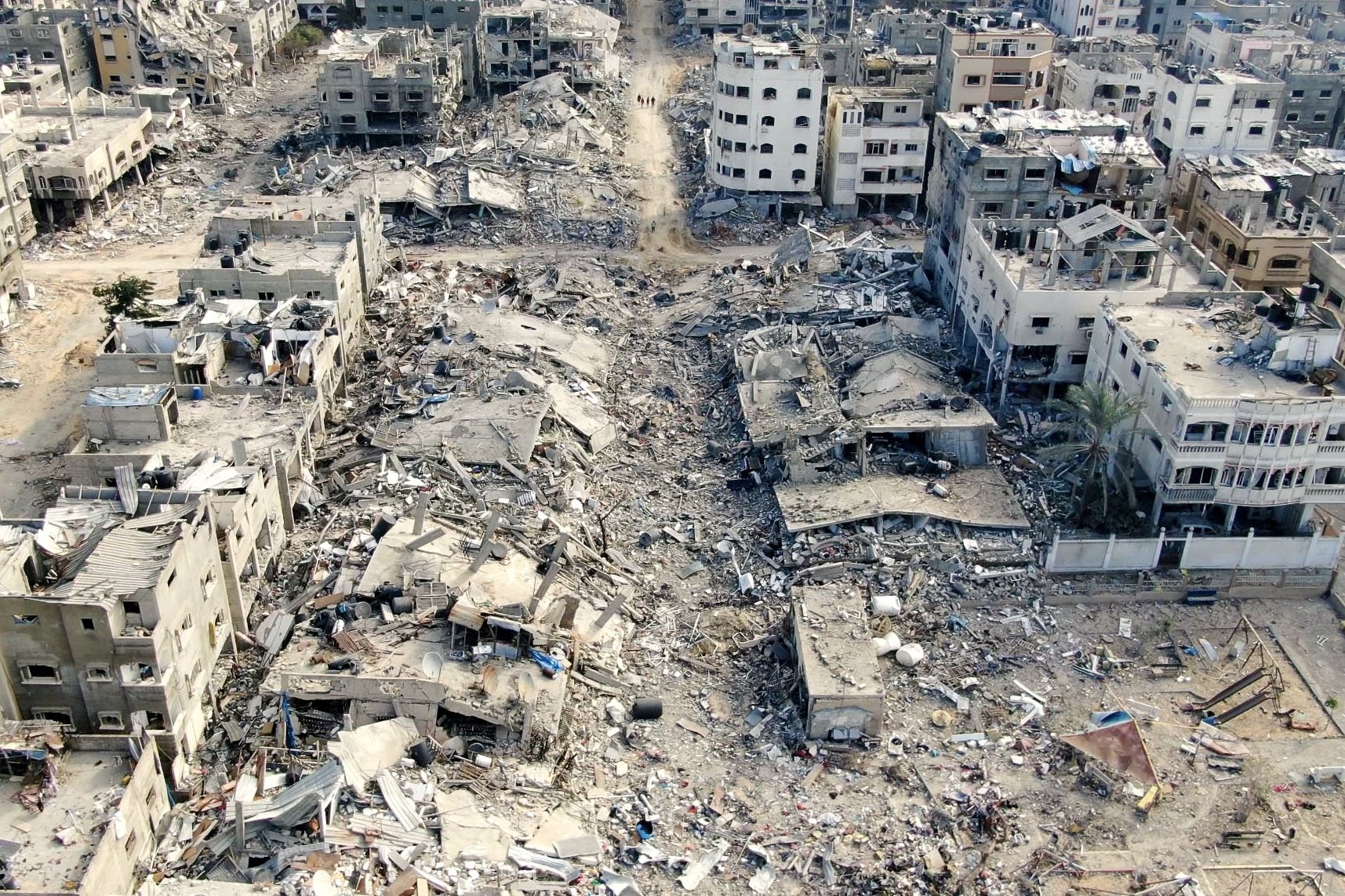
The United Nations has condemned Israel's decision to seize control of roughly 70 percent of the Gaza Strip, a move ordered directly by Prime Minister Benjamin Netanyahu. The criticism, issued on Friday, underscores deepening international concern over the trajectory of the conflict and the long-term status of Palestinian territory. At a moment when diplomatic efforts to contain the fighting have already faltered, the UN statement signals that any formalization of expanded Israeli control risks further isolating Israel and complicating future negotiations.
This development arrives against the backdrop of prolonged military operations that have already reshaped the geography and governance of Gaza. The order to assume control over such a large portion of the enclave raises immediate questions about the viability of any postwar arrangement and the role of international institutions in enforcing established norms.
UN Position and Legal Implications
The United Nations framed the Israeli directive as incompatible with longstanding principles governing occupied territory. Its statement emphasized that the Palestinian territory must remain under arrangements consistent with international law rather than unilateral annexation or prolonged military administration. By highlighting the scale of the proposed control—70 percent of Gaza—the UN signaled that the move could amount to a de facto reconfiguration of borders without consent or agreement. Legal experts within the UN system have long maintained that changes to the status of occupied land require either bilateral accords or resolutions under the Security Council. Friday’s rebuke therefore serves as a reminder that unilateral steps risk violating the Fourth Geneva Convention’s prohibitions on the acquisition of territory by force. While enforcement mechanisms remain limited, the public nature of the criticism adds diplomatic pressure at a time when several member states are already reviewing arms export policies toward Israel.Netanyahu’s Directive and Domestic Calculations
Prime Minister Netanyahu’s instruction to the military reflects a strategic choice to maintain a significant physical presence across most of Gaza. The order was presented internally as necessary for security, yet it also aligns with domestic political pressures from coalition partners who favor retaining leverage over the territory. By directing forces to prepare for control of 70 percent of the enclave, the government appears to be preparing for a scenario in which Hamas is degraded but not fully eliminated as a governing force. This approach carries risks. Expanded control demands sustained troop deployments and resources at a moment when Israel faces multiple fronts and economic strain. It also complicates relations with mediators who had been exploring postwar governance models involving Arab states or international actors. Netanyahu’s move therefore functions both as a military posture and a political signal that any future arrangement will be shaped primarily by Israeli security requirements.Regional and Diplomatic Fallout
The UN criticism is likely to reverberate across Middle Eastern capitals already wary of renewed occupation dynamics. Countries that had begun normalizing relations with Israel under previous agreements now confront renewed scrutiny from their own publics. Gulf states that previously signaled openness to economic cooperation may slow or condition further steps on visible progress toward a political horizon for Palestinians. At the Security Council, the episode could prompt additional emergency sessions or resolutions, even if veto power limits concrete action. European governments, many of which have already expressed alarm over humanitarian conditions, may accelerate reviews of bilateral cooperation frameworks. The cumulative effect is a gradual narrowing of Israel’s diplomatic space precisely when it seeks broader regional acceptance.Humanitarian and Governance Challenges
Any plan to administer 70 percent of Gaza carries immediate consequences for the civilian population. The territory’s infrastructure has already been severely damaged, and large-scale displacement has created acute shortages of shelter, water, and medical services. Expanded military control would require Israel to assume responsibilities under international law for the welfare of residents in those areas, a burden successive Israeli governments have sought to avoid. Governance questions loom equally large. Absent a functioning Palestinian Authority presence or an alternative administrative structure acceptable to both sides, day-to-day management of services would fall to military authorities. This prospect raises the prospect of prolonged dependency on external aid and repeated cycles of confrontation. Humanitarian agencies have warned that such conditions could entrench poverty and radicalization rather than produce stability.What Comes Next
Attention now turns to whether the Israeli military will translate the prime minister’s order into concrete operational plans and how quickly international actors respond. The UN is expected to continue pressing for adherence to existing legal frameworks, while several member states may explore targeted diplomatic measures. Regional mediators will likely test whether any revised postwar formula can still accommodate Israeli security demands without crossing the threshold of permanent control. The coming weeks will clarify whether Friday’s UN statement remains rhetorical or evolves into coordinated pressure capable of altering Israel’s course. For Gaza’s residents and the wider region, the outcome will determine whether the current conflict ends with negotiated arrangements or a new, more entrenched status quo.By Malik Hassan, Staff Writer
This article was produced with AI-assisted research and editorial support. Reporting is based on sources cited in the article.
What's Your Reaction?
 Like
0
Like
0
 Dislike
0
Dislike
0
 Love
0
Love
0
 Funny
0
Funny
0
 Wow
0
Wow
0
 Sad
0
Sad
0
 Angry
0
Angry
0
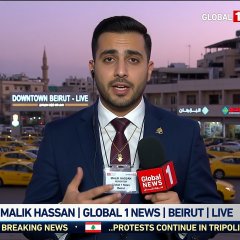
Malik Hassan
Middle East Correspondent at Global1.News. Based in Beirut, covering politics, conflict, energy, and society across the Middle East. Brings context and depth to a region often reduced to headlines.











Comments (0)