
Twin Pandas Huibao and Ruibao Face Potential Return to China Under Panda Loan Terms
The twin giant pandas Huibao and Ruibao, born at Everland theme park in July 2023, face the prospect of returning to China this winter under the standard provisions of bilateral panda loan agreements. Their possible departure follows the established pattern set by their elder sibling Fu Bao, who was repatriated in April 2024. This development invites scholarly examination of th
The twin giant pandas Huibao and Ruibao, born at Everland theme park in July 2023, face the prospect of returning to China this winter under the standard provisions of bilateral panda loan agreements. Their possible departure follows the established pattern set by their elder sibling Fu Bao, who was repatriated in April 2024. This development invites scholarly examination of the mechanisms, symbolism, and durability of panda diplomacy between Seoul and Beijing.
Potential Repatriation of Korea’s Twin Pandas Tests Durability of Bilateral Symbolism
[Seoul, South Korea – June 6, 2026] — The twin giant pandas Huibao and Ruibao, born at Everland theme park in Yongin, South Korea in July 2023 to Ai Bao and Le Bao, may return to China this winter under the standard terms of China's panda loan agreements. This follows the precedent of Fu Bao, the first giant panda born in South Korea, who returned to China in April 2024. The potential return raises questions about Korea-China panda diplomacy, which began in 2016 when President Xi Jinping sent Ai Bao and Le Bao to South Korea as symbols of friendship.
The Birth and Rise of Huibao and Ruibao
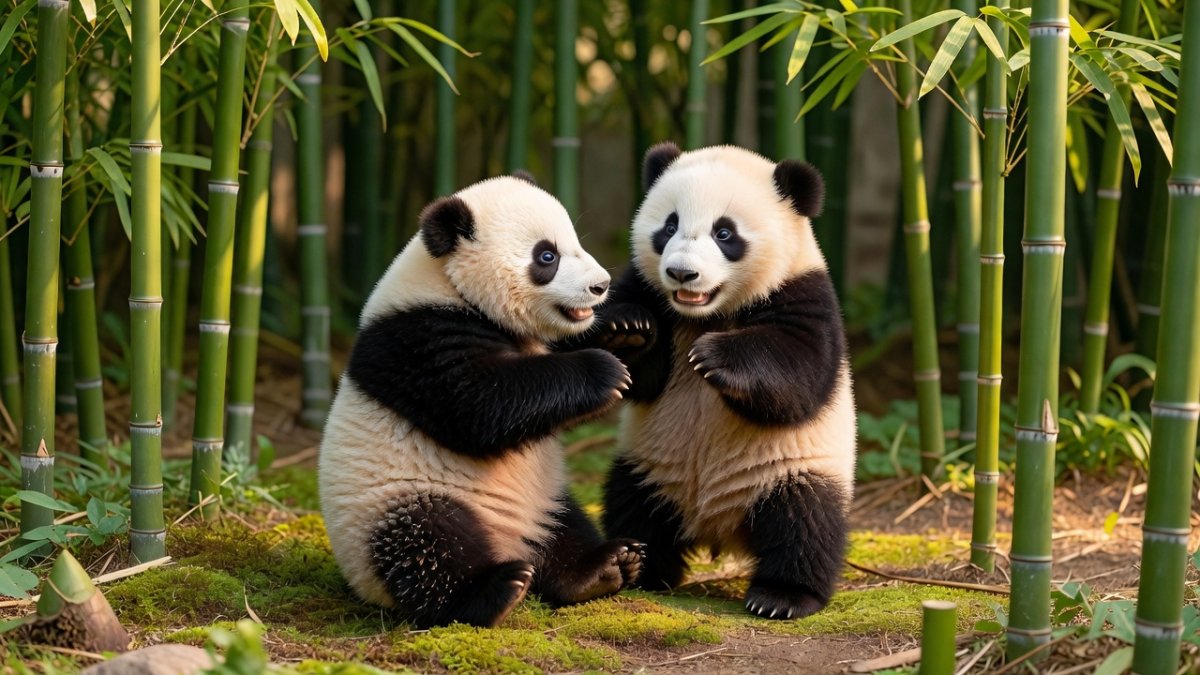
Huibao and Ruibao entered the world in July 2023 at Everland’s dedicated panda facility in Yongin, marking the second successful birth of giant pandas on Korean soil. Their arrival generated immediate public interest, with live-streamed observations and themed merchandise contributing to sustained visitor numbers at the theme park. The twins’ development has been documented through routine veterinary updates released by Everland management, underscoring the animals’ role as both conservation subjects and public attractions.
Mechanics of China’s Panda Loan Framework
China’s panda loan agreements operate on fixed-term contracts, typically spanning ten years, with explicit provisions for the repatriation of offspring born abroad. These arrangements require recipient institutions to cover substantial annual fees and to adhere to breeding and health protocols established by Chinese authorities. In the Korean case, the 2016 transfer of Ai Bao and Le Bao carried the standard clause that any cubs would eventually return to China, reflecting Beijing’s centralized control over the global panda population.
Fu Bao’s 2024 Repatriation as Operational Precedent
Fu Bao’s departure in April 2024 established the procedural template now applicable to Huibao and Ruibao. The transfer involved coordinated logistics between Korean and Chinese wildlife agencies, including health certifications and transport arrangements. Observers noted that the same contractual language governing Fu Bao’s return appears in the documentation for the twins, indicating limited scope for extension beyond the agreed timeframe.
Panda Diplomacy Within Korea-China Relations
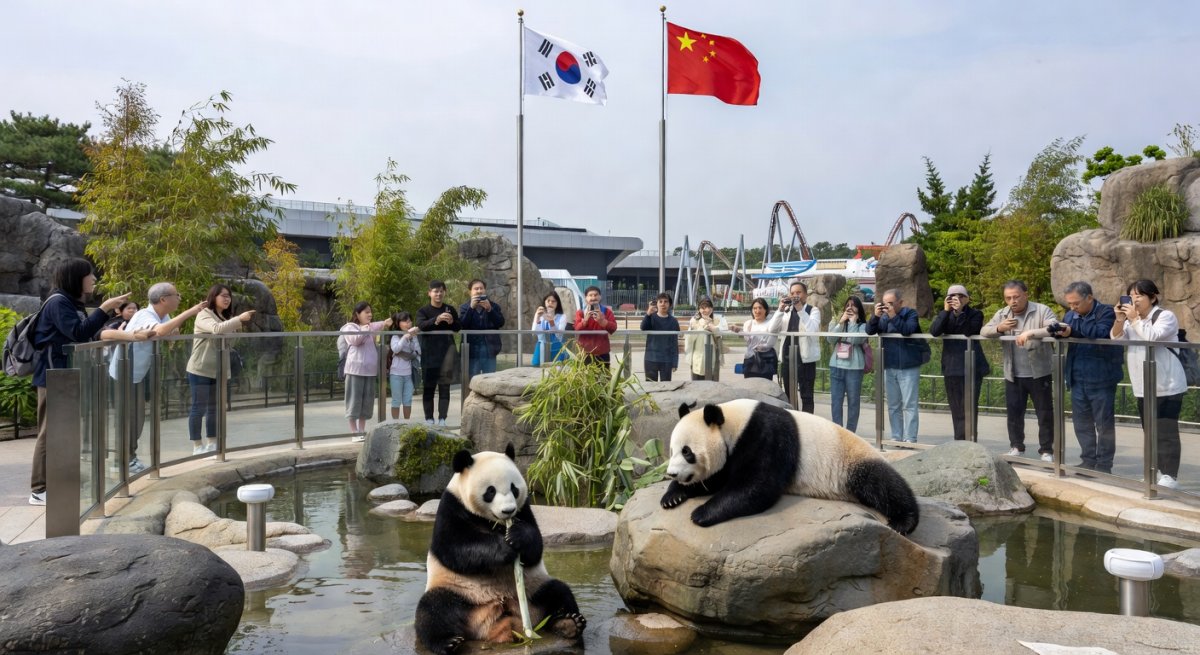
Panda exchanges have functioned as a visible component of Korea-China diplomatic signaling since the 2016 arrival of Ai Bao and Le Bao, presented during a state visit by President Xi Jinping. The program aligns with China’s broader use of charismatic megafauna to project soft power, while offering South Korea a tangible symbol of engagement at a time of fluctuating bilateral trade and security dialogues. Academic analyses of the 2016 agreement emphasize its role in maintaining channels of communication even amid periodic political friction.
Korean Public Response and Conservation Discourse
Public reaction in South Korea has centered on emotional attachment cultivated through media coverage and park visits. Petitions and social-media campaigns have periodically called for extended stays, yet these expressions remain largely decoupled from formal policy influence. Conservation organizations within Korea have framed the issue around scientific best practices rather than diplomatic sentiment, stressing the importance of genetic management within China’s breeding programs.
Global Context of Panda Loan Practices
China maintains similar loan arrangements with institutions across Europe, North America, and Asia, each governed by comparable repatriation clauses. Recent returns from zoos in the United States and Japan illustrate a consistent pattern of enforcing contract timelines irrespective of local popularity. This global framework positions the Korean case as one instance within a standardized system rather than an exceptional bilateral arrangement.
Implications for Future Korea-China Engagement
The prospective winter return of Huibao and Ruibao underscores the finite nature of symbolic gestures within state-to-state relations. While panda loans have provided recurring opportunities for positive imagery, their structured endpoints limit their utility as enduring confidence-building measures. Future cooperation on wildlife conservation between Seoul and Beijing will likely require additional institutional mechanisms beyond the current loan model.
By Prof. David Park, Staff Writer
This article was produced with AI-assisted research and editorial support. Reporting is based on sources cited in the article.
What's Your Reaction?
 Like
0
Like
0
 Dislike
0
Dislike
0
 Love
0
Love
0
 Funny
0
Funny
0
 Wow
0
Wow
0
 Sad
0
Sad
0
 Angry
0
Angry
0

East Asia/Technology Correspondent at Global1.News. Seoul-based voice covering Korean politics, technology, business, and culture. Analyzes how technology and geopolitics intersect across East Asia.













Comments (0)