
Israeli Soldier Posts Video of Bound Palestinian Children With 'For Sale' Caption
In a recent Middle East Eye report published on June 6, 2026, a video shows an Israeli soldier posting footage on social media of two Palestinian children with their hands bound and eyes blindfolded. The post carried a sarcastic caption reading "For sale: two for 100 shekels, and three for 75 shekels." The footage, which quickly circulated online, has drawn widespread condemnat
In a recent Middle East Eye report published on June 6, 2026, a video shows an Israeli soldier posting footage on social media of two Palestinian children with their hands bound and eyes blindfolded. The post carried a sarcastic caption reading "For sale: two for 100 shekels, and three for 75 shekels." The footage, which quickly circulated online, has drawn widespread condemnation from Palestinian families and rights advocates who describe it as a stark example of how occupation forces treat children as commodities rather than human beings.
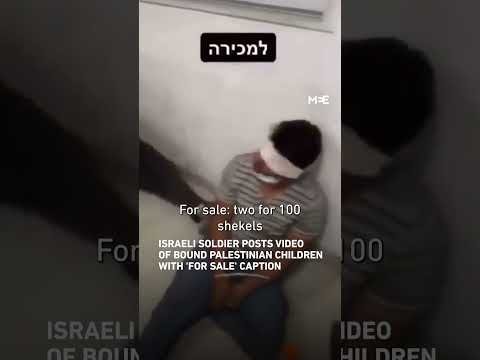
The Video Incident Itself
The social media post originated from an Israeli soldier serving in the West Bank. It depicted the two children in restraints, their faces covered, while the caption framed them in commercial terms. The Middle East Eye report highlights how the video was shared publicly before being removed, yet screenshots and reposts continued to spread among Palestinian communities. Families in the affected areas expressed outrage, noting that such imagery normalizes the sight of bound children in daily life under military presence. Local residents described the incident as another layer of humiliation added to routine encounters at checkpoints and during home raids.
Pattern of Dehumanization on Social Media
This latest post fits into a documented series of similar actions by Israeli personnel. In November 2025, an Israeli soldier shared photos of a missing Gazan man accompanied by a "for sale" caption. In April 2026, an IDF reservist faced suspension after forcing a blindfolded Palestinian to hold up a business advertisement for a photograph. Palestinian Authority officials and groups such as Addameer have tracked these cases, pointing to a recurring practice where detainees, including minors, become subjects of mockery on personal accounts. The pattern extends beyond isolated posts, reflecting how some soldiers document and share moments of control over Palestinian civilians. Community leaders in Nablus and Hebron report that such content circulates within Israeli networks while Palestinian families learn of it through secondary sources, deepening a sense of exposure without recourse.
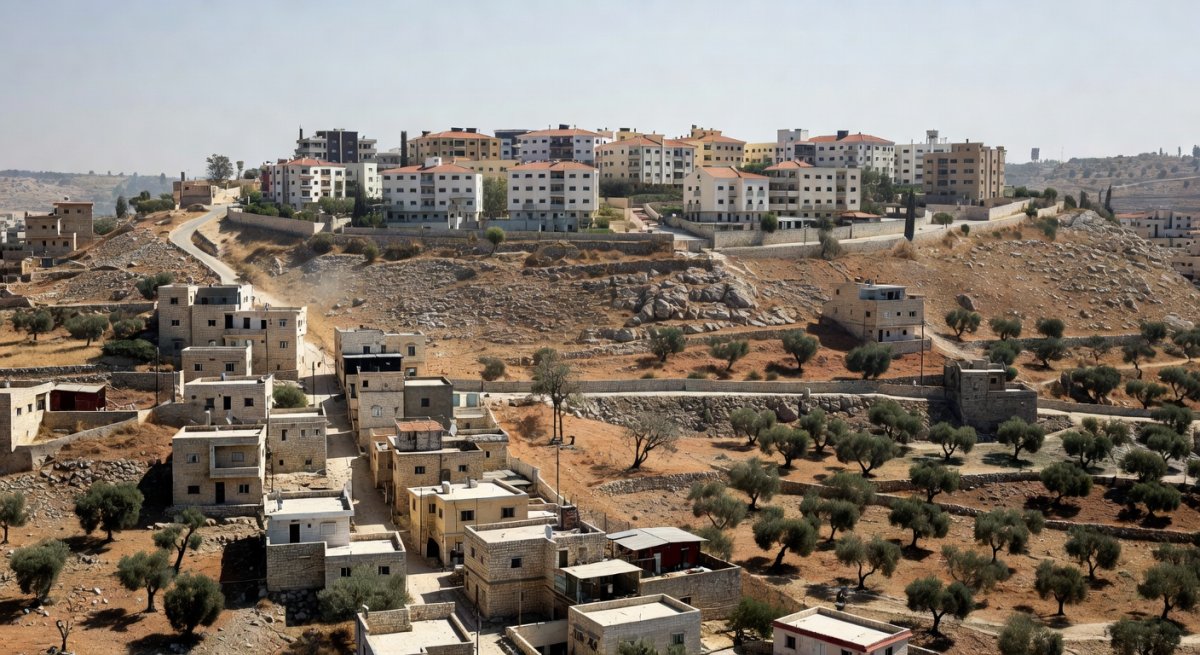
Escalating Violence Across the West Bank
The social media incident occurred against a backdrop of intensified military operations and settler activity since October 2023. More than 1,080 Palestinians have been killed in the West Bank during this period, according to local monitoring organizations. On June 5, Israeli forces shot and killed 7-month-old Sam Fahd Abu Haikal in Hebron, also wounding his parents. The shooting took place during an operation in the city, where families described sudden incursions into residential neighborhoods. Israeli settlers have carried out raids in Nablus and Hebron, targeting homes and agricultural land. These actions disrupt schooling, medical access, and market days, leaving residents to navigate curfews and movement restrictions that affect entire households. The killing of the infant has prompted fresh calls from Palestinian officials for accountability, while parents in Hebron describe heightened fear when moving through areas near settlements.
International Legal Framework
International law sets clear prohibitions against the degrading treatment of detainees, with specific protections for children. The Fourth Geneva Convention and the Convention on the Rights of the Child both forbid humiliating or inhuman acts toward protected persons, especially minors. Legal experts note that binding and blindfolding children during encounters with security forces, then circulating images for public amusement, contravenes these standards. Palestinian human rights groups have submitted documentation of such cases to international bodies, emphasizing that the involvement of children triggers additional obligations under child protection treaties. The Palestinian Authority has reiterated these points in statements, urging third states to enforce existing legal mechanisms rather than issue general expressions of concern.
Human Rights Implications and Broader Impact
The cumulative effect of these incidents reaches into everyday Palestinian life, where parents weigh the risks of children traveling to school or playing outside. Rights organizations document how repeated exposure to such treatment erodes trust in any prospect of protection under occupation. The Palestinian Authority and groups including Al-Haq have condemned the social media posts and the June 5 shooting in Hebron as interconnected symptoms of a system that permits both lethal force and public degradation. For families in Hebron and Nablus, the incidents reinforce a reality where children encounter military authority at young ages, often without explanation or legal safeguards. Analysts connect these events to longer-term shifts in the region, where settler raids and checkpoint interactions shape economic opportunities and family decisions. The absence of immediate disciplinary outcomes in many past cases leaves communities questioning whether external pressure will produce changes in conduct. Palestinian voices continue to emphasize the need for documentation and international engagement to address both the visible acts and the underlying policies that sustain them.
By Fatima Al-Rashid, Staff Writer
This article was produced with AI-assisted research and editorial support. Reporting is based on sources cited in the article.
What's Your Reaction?
 Like
0
Like
0
 Dislike
0
Dislike
0
 Love
0
Love
0
 Funny
0
Funny
0
 Wow
0
Wow
0
 Sad
0
Sad
0
 Angry
0
Angry
0
Gulf/MENA Correspondent at Global1.News. Based in Doha, covering Gulf politics, energy markets, diplomacy, and development across the Middle East and North Africa. Tracks the economic transformation of the Gulf states.










Comments (0)