
Trump Warns Iran MOU Not Final, Threatens Return to Bombing
President Donald Trump has thrown the future of the US-Iran peace process into uncertainty, declaring at the G7 Summit in France that the newly negotiated Memorandum of Understanding is "not final" and warning he would "go right back to dropping bombs right smack in the middle of their heads" if the agreement fails to meet his standards. The remarks, delivered on the final day
President Donald Trump has thrown the future of the US-Iran peace process into uncertainty, declaring at the G7 Summit in France that the newly negotiated Memorandum of Understanding is "not final" and warning he would "go right back to dropping bombs right smack in the middle of their heads" if the agreement fails to meet his standards. The remarks, delivered on the final day of the G7 meeting in Evian-les-Bains, come just two days before the MOU is scheduled for formal signing in Switzerland on Friday, June 19, casting doubt on what appeared to be a historic breakthrough after more than 100 days of devastating regional conflict. Trump's ultimatum underscores the fragile nature of the temporary truce and the high-stakes bargaining that remains ahead for both Washington and Tehran.
Trump Warns Iran MOU Not Final, Threatens Return to Bombing If Terms Fail
Evian-les-Bains, France – June 17, 2026 — US President Donald Trump used the final day of the G7 Summit in Evian-les-Bains, France, to underscore that the recently concluded Memorandum of Understanding with Iran remains open to revision. Speaking on June 17, 2026, Trump described the document as non-binding and warned that military action could resume if Iranian behavior falls short of expectations.
Key Terms in the 14-Point Draft MOU
The draft agreement, finalized on June 15 and first obtained by Al Arabiya English, outlines immediate steps to halt active conflict. Core provisions include a permanent ceasefire across all fronts, including Lebanon, the lifting of US oil and petrochemical sanctions on Iran with immediate effect, and the release of frozen Iranian assets. A $300 billion reconstruction fund is envisioned for Iran, though Washington has stated it will not contribute financially. Iran would assume management responsibilities for the Strait of Hormuz during a 60-day period leading to a comprehensive final agreement. The fate of Iran's nuclear materials is deferred to later negotiations, a point of significant concern for Israel and Gulf Arab states.
Iranian President Masoud Pezeshkian described the text as an "honourable document" provided it is implemented faithfully. Iran's Deputy Foreign Minister confirmed the MOU has been finalized ahead of the scheduled formal signing in Switzerland on June 19.
G7 Endorsement and International Reactions
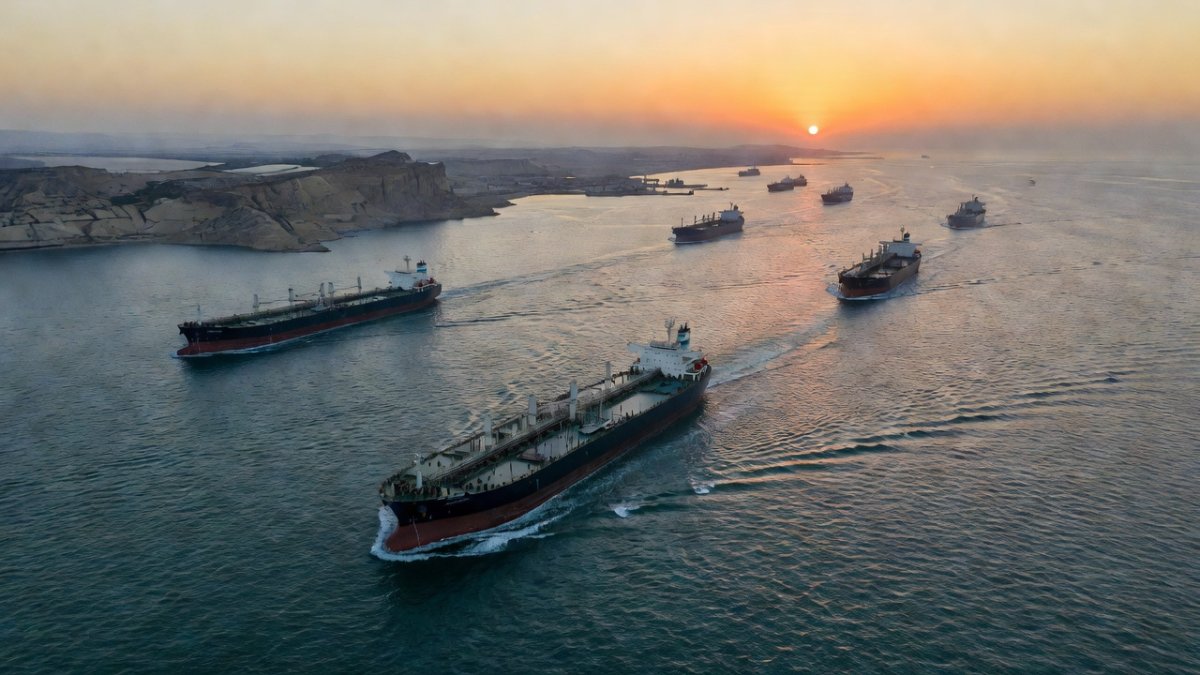
G7 leaders collectively endorsed the US-Iran framework and signaled readiness to support implementation. NATO Secretary General Mark Rutte highlighted the reopening of the Strait of Hormuz as a "massive step forward" for global energy flows and economic stability. Discussions at the summit also touched on the need for follow-on talks addressing Iran's missile program, which was deliberately excluded from the current MOU. On the sidelines, Trump held a bilateral meeting with Egyptian President Abdel Fattah al-Sisi to coordinate positions on regional stability, Palestinian issues, and the broader post-war reconstruction architecture.
Energy Markets and the Shadow of Renewed Conflict
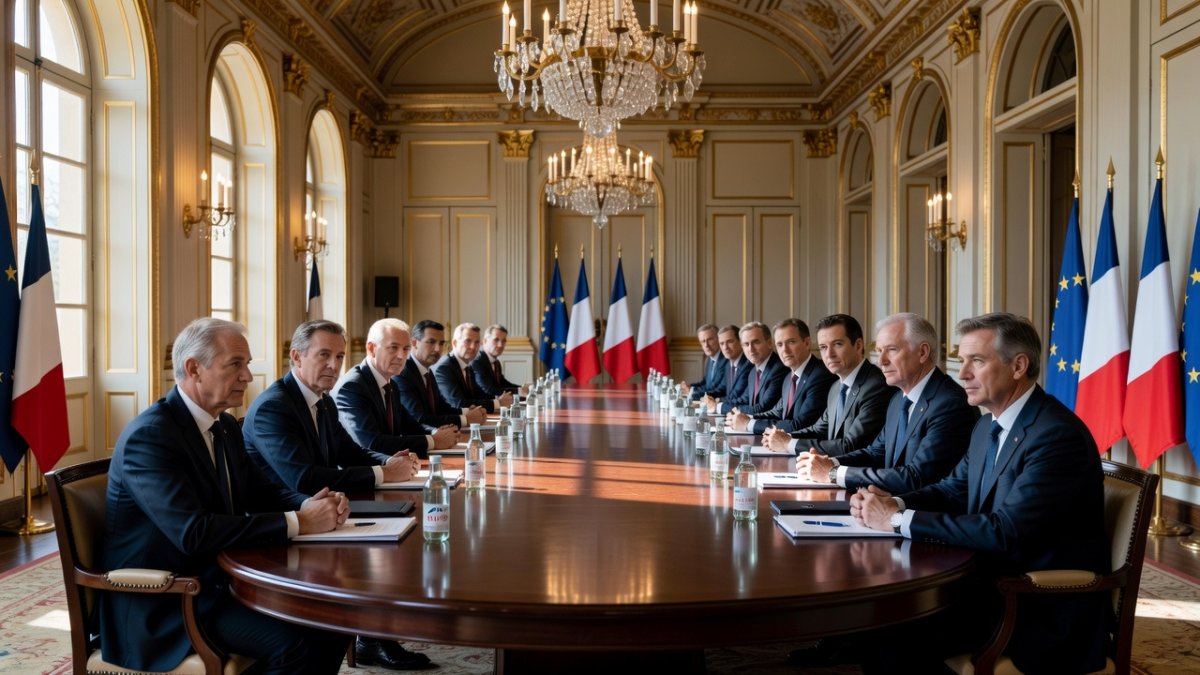
More than 100 days of US-Iran hostilities have already disrupted tanker traffic through the Strait of Hormuz, the world's most critical oil chokepoint, driving sharp swings in global crude prices. Former UK Minister for the Middle East Tobias Ellwood noted that much of the resulting economic pressure is being attributed to the Trump administration's approach to the conflict. Saudi Arabia has placed elements of its Vision 2030 economic diversification program under review as regional instability drains fiscal resources and deters foreign investment. Any return to bombing would compound these pressures, sending oil prices spiking and further complicating Gulf state economic planning.
Strategic Calculus Behind Trump's Warning
Trump's remarks reflect a deliberate negotiating posture consistent with his transactional approach to foreign policy. The MOU provides Iran with immediate sanctions relief and access to reconstruction financing while giving Washington leverage to demand stricter terms in the final comprehensive agreement. By keeping military options visibly on the table, the United States aims to extract concessions on Iran's ballistic missile program and nuclear enrichment capabilities during the 60-day negotiation window. Iran, for its part, gains immediate economic breathing room — sanctions relief on oil exports alone could put billions of dollars back into the Iranian economy — yet must weigh the risk of renewed US strikes against domestic political expectations for a lasting peace.
Israel's absence from the draft text leaves open critical questions about how Jerusalem's security concerns will be addressed. Prime Minister Benjamin Netanyahu's government has been notably skeptical of the MOU, viewing any deal that does not dismantle Iran's nuclear infrastructure as insufficient. Sunni Arab states, meanwhile, watch warily as any easing of Iranian oil exports could shift regional power balances and affect their own market share within OPEC+.
Path Forward and Risks of Breakdown
The coming days will test whether the MOU survives translation into a binding final agreement. If Tehran resists limits on its missile program or nuclear enrichment, Trump has explicitly reserved the right to resume military operations. Conversely, successful implementation could ease energy-market volatility, reopen the Strait of Hormuz to full commercial traffic, and create space for broader regional coordination on security and reconstruction. Much depends on the 60-day negotiation period and the willingness of all parties — including the G7, Pakistan as mediator, and regional stakeholders — to accept trade-offs that extend beyond immediate ceasefires toward a sustainable political framework.
Regional Implications
The fragility of the US-Iran MOU has profound implications for the broader Middle East. A breakdown would not only restart military hostilities but would also deepen the humanitarian crisis in Iran, strain the economies of Gulf states already burdened by war-related spending, and reinforce perceptions that Washington remains an unpredictable partner in regional diplomacy. A successful transition to a comprehensive agreement, however, could reshape Middle East alliances, free up Gulf resources for development, and open new channels for Arab-Israeli normalization that have been frozen during the conflict. The world watches as the 60-day clock begins ticking on what may be the most consequential Middle East diplomatic process in a generation.
By Malik Hassan, Staff Writer
This article was produced with AI-assisted research and editorial support. Reporting is based on sources cited in the article.
What's Your Reaction?
 Like
0
Like
0
 Dislike
0
Dislike
0
 Love
0
Love
0
 Funny
0
Funny
0
 Wow
0
Wow
0
 Sad
0
Sad
0
 Angry
0
Angry
0
Middle East Correspondent at Global1.News. Based in Beirut, covering politics, conflict, energy, and society across the Middle East. Brings context and depth to a region often reduced to headlines.












Comments (0)