
Thai cabin crew member arrested over heroin smuggling
The Arrest at Melbourne Airport On June 25, authorities at Melbourne Airport detained a 26-year-old Thai Airways flight attendant who had arrived aboard Flight TG465 from Bangkok. Officers discovered approximately one kilogram of heroin concealed within the linings of twelve tote bags the crew member carried. The seizure represented a significant interception at one of Australi
The Arrest at Melbourne Airport
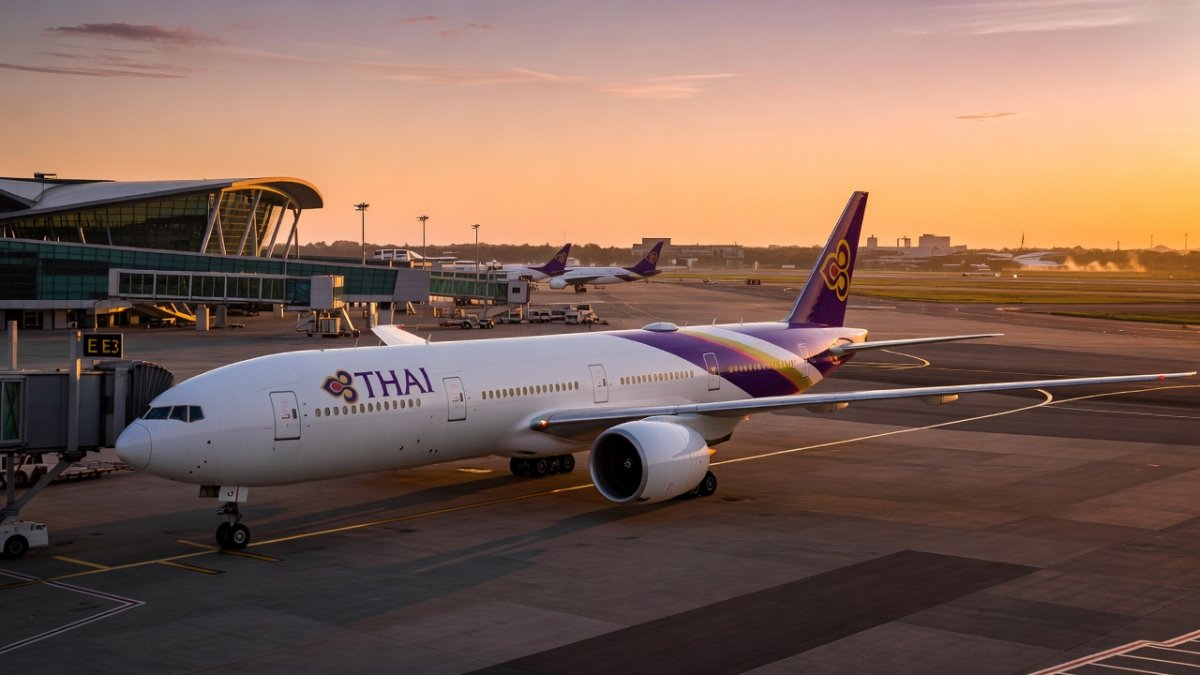
On June 25, authorities at Melbourne Airport detained a 26-year-old Thai Airways flight attendant who had arrived aboard Flight TG465 from Bangkok. Officers discovered approximately one kilogram of heroin concealed within the linings of twelve tote bags the crew member carried. The seizure represented a significant interception at one of Australia’s busiest international gateways, where Thai Airways operates regular services connecting Thailand’s capital with southern Australia. The street value of the seized substance reached A$500,000, equivalent to roughly US$345,000, underscoring the scale of the attempted importation.
Thai communities across Southeast Asia have long viewed cabin crew positions as respected roles that showcase the kingdom’s renowned hospitality traditions. This arrest therefore resonates beyond the immediate legal consequences, touching families who see aviation employment as a pathway to economic stability. In Phayao province, where the crew member’s family resides, news of the detention spread quickly through local networks, prompting quiet conversations about the pressures faced by young Thais working far from home. The incident highlights how individual choices can intersect with broader regional travel corridors that link Thai cities directly to Australian destinations.
Australian Federal Police officers conducted the search after routine intelligence-led screening procedures flagged the bags. The heroin had been carefully sewn into the fabric linings, a method that required deliberate preparation before the flight departed Bangkok. Flight TG465 typically carries a mix of leisure and business passengers, many of whom travel between Thailand’s vibrant tourism hubs and Australia’s major events calendar. The timing of the arrest, occurring during peak winter travel season in Australia, drew immediate attention from both aviation regulators and Thai expatriate groups in Melbourne.
Regional observers note that such cases test the trust placed in Thai aviation professionals who serve as cultural ambassadors. Thai Airways has built its reputation on attentive service rooted in centuries-old customs of care and respect. When one crew member faces allegations of this nature, the ripple effects touch colleagues who continue to operate the same routes daily. The discovery at Melbourne Airport therefore serves as a reminder of the vigilance required across all segments of the Thailand-Australia air corridor.
Charges and Court Proceedings
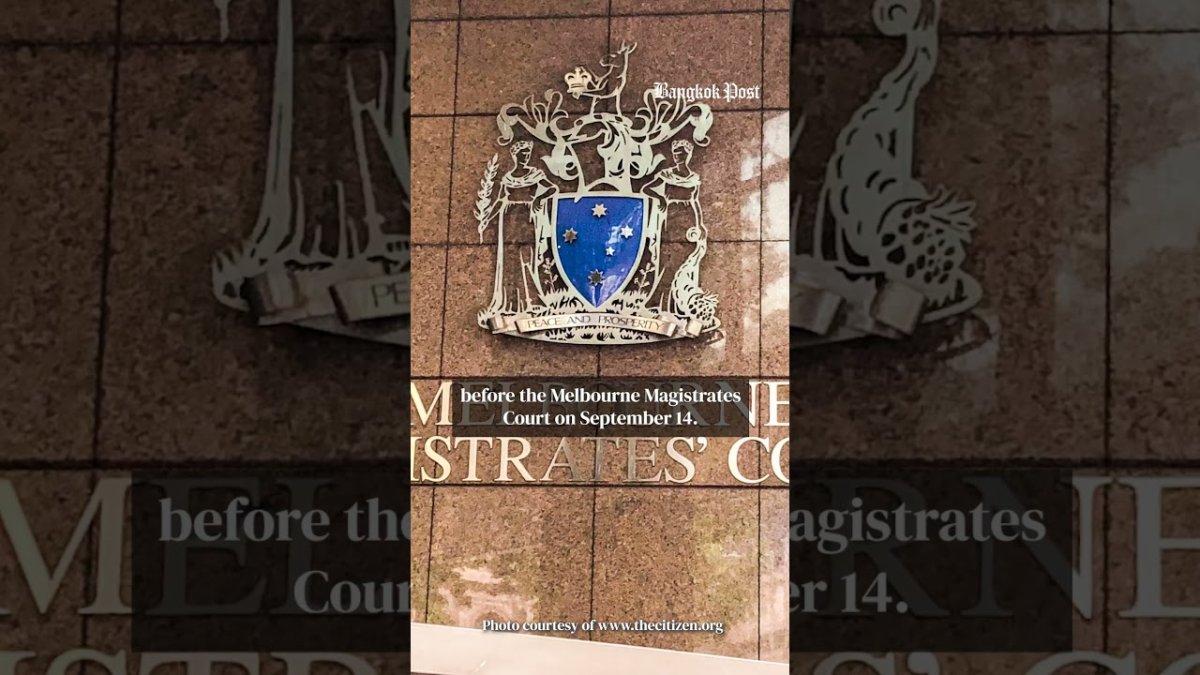
The flight attendant faces two serious charges under Australian law: importing a marketable quantity of a border-controlled drug and possessing the same substance. Each charge carries a maximum penalty of twenty-five years imprisonment, reflecting the gravity with which Australian courts treat large-scale drug importations. The crew member appeared briefly before Melbourne Magistrates’ Court following the arrest, with the matter now listed for a further hearing on September 14. Legal representatives have begun preparing the case amid standard procedural timelines.
AFP Acting Commander Simone Butcher emphasised that the operation demonstrated the effectiveness of targeted enforcement at international arrival points. Her statement underscored ongoing cooperation between Australian and Thai authorities to disrupt supply chains that exploit commercial aviation. For Thai readers, the penalties outlined in Australian legislation appear notably stricter than comparable domestic statutes, prompting discussions within legal circles in Bangkok about cross-border judicial differences. The September court date will likely determine whether the matter proceeds to trial or enters plea negotiations.
Thai legal experts familiar with aviation cases observe that crew members enjoy certain privileges at airports yet remain subject to the same customs scrutiny as passengers. The decision to charge the individual with both importation and possession reflects prosecutorial strategy aimed at covering multiple elements of the alleged offence. Families in northern Thailand often follow such proceedings through Thai-language media summaries, seeking reassurance that due process will be observed. The upcoming hearing therefore carries weight not only for the accused but also for broader perceptions of fairness in the Australian justice system.
Regional cooperation agreements between Thailand and Australia have historically facilitated information sharing on transnational crime. In this instance, the charges filed illustrate how those frameworks operate in practice when evidence emerges at the point of entry. The twenty-five-year maximum sentences serve as a deterrent message directed at potential recruits who might consider similar arrangements. Thai diplomatic representatives in Canberra continue to monitor developments ahead of the September 14 appearance.
Thai Airways Response
Thai Airways Chairman Lavaron Sangsnit immediately ordered an urgent internal review of crew conduct rules following the arrest. The airline pledged full cooperation with both Australian and Thai investigators, consistent with its long-standing policy of supporting law enforcement on all matters involving staff. Management has begun examining existing protocols that govern what crew members may carry on flights and how personal items are screened before departure from Bangkok. These measures aim to reinforce the carrier’s commitment to maintaining operational integrity across its international network.
Within Thai aviation circles, the chairman’s swift directive reflects cultural expectations that corporate leaders address issues transparently and decisively. Cabin crew associations have expressed support for strengthened guidelines, noting that the vast majority of flight attendants uphold the highest professional standards. The review process will likely consider additional training modules focused on recognising recruitment tactics used by external parties. Thai Airways operates dozens of weekly flights to Australia, making the outcome of this review particularly relevant to route profitability and passenger confidence.
Local communities in Bangkok’s aviation support industries watch these developments closely, as any tightening of rules can affect daily routines for thousands of ground staff and catering teams. The airline’s public pledge of cooperation signals respect for the legal processes underway in Melbourne. At the same time, internal communications emphasise that one individual’s alleged actions do not define the collective dedication of the crew workforce. The review ordered by Chairman Lavaron Sangsnit therefore represents both a protective step and a reaffirmation of corporate values rooted in Thai traditions of responsibility.
Industry analysts in Southeast Asia suggest that Thai Airways’ response could influence how other regional carriers approach similar risks. The carrier’s reputation for warmth and reliability remains central to its brand identity, and swift internal action helps preserve that standing among travellers from Australia and beyond. Crew members themselves have begun participating in refresher briefings that highlight updated expectations regarding personal conduct during layovers and transit.
ONCB Investigation in Phayao
Thailand’s Office of the Narcotics Control Board inspected the family home of the arrested crew member in Phayao province on June 30. Investigators sought to trace how the individual allegedly became involved in the scheme, focusing on communications linked to a Facebook account operating under the name “Rose.” According to preliminary findings, the crew member was reportedly offered a fee of 8,800 baht to transport the bags, an amount that represents a modest sum relative to the risks involved. The inspection yielded documents and electronic records now under review by ONCB specialists.
Phayao, a quiet province in northern Thailand known for its agricultural communities and close-knit villages, rarely features in international drug investigations. The arrival of ONCB officers therefore created a noticeable stir among neighbours who expressed surprise at the connection to an alleged international operation. Families in the region often rely on remittances from relatives working in Bangkok or overseas, making the reported recruitment fee of 8,800 baht a point of local discussion about economic vulnerabilities. The ONCB continues to examine whether similar approaches have targeted other aviation workers from the same area.
The “Rose” account allegedly served as an intermediary that contacted the crew member through social media platforms commonly used by young Thais. Investigators are working to determine the account’s ownership and any wider network of contacts. Thai authorities have emphasised that the inspection remained respectful of family privacy while fulfilling necessary investigative duties. Community leaders in Phayao have urged residents to remain calm and cooperate with official requests for information.
This phase of the inquiry illustrates how narcotics control efforts increasingly extend from international airports into rural Thai households. The modest fee cited in reports highlights the disparity between compensation offered to carriers and the substantial street value of the contraband. ONCB teams maintain close coordination with Australian counterparts, sharing findings that may assist both the September court proceedings and any parallel domestic inquiries.
Thailand-Australia Drug Route
Thailand has long served as a transit point within regional drug trafficking patterns, with Bangkok’s international airport functioning as a major hub for flights connecting Southeast Asia to Australia. Syndicates have increasingly targeted airline crew members because their access to secure areas and familiarity with customs procedures can reduce perceived detection risks. The current case demonstrates how these networks exploit social media to identify potential recruits among aviation staff who travel regularly between the two countries.
For Thai policymakers, the incident underscores the need to balance the economic benefits of robust tourism and aviation links with Australia against the security challenges posed by transnational crime. Australian travellers constitute a significant portion of visitors to Thai beach resorts and cultural sites, generating revenue that supports local communities from Phuket to Chiang Mai. Any perception of weakened controls on crew movements could affect traveller confidence and booking patterns in coming seasons.
Regional security forums have previously discussed the vulnerability of aviation workers to recruitment by organised groups. The alleged use of a modest cash incentive in this instance suggests that syndicates calculate low compensation against high potential returns. Thai and Australian law enforcement agencies continue to refine intelligence-sharing mechanisms that target these specific recruitment pathways. The Thailand-Australia corridor therefore remains under heightened scrutiny as investigators map connections between the Melbourne seizure and possible upstream activities in Bangkok.
Local tourism operators in Thailand note that sustained cooperation between the two nations helps protect the overall travel experience that millions of passengers enjoy each year. The case also prompts reflection on how digital platforms facilitate contact between recruiters and potential carriers, a trend observed across multiple Southeast Asian countries. Strengthened monitoring of crew communications and baggage handling forms part of ongoing efforts to safeguard the route’s integrity.
Broader Implications
This arrest marks the second instance within recent months of an individual arriving from Thailand facing drug-related charges in Australia, following the May 29 detention of a French woman in Perth who carried butanediol and steroids. The pattern has prompted Australian authorities to review screening priorities for flights originating in Southeast Asia. Thai tourism authorities have expressed concern that repeated incidents could influence travel advisories and visitor sentiment, particularly among families planning holidays to the kingdom’s southern islands.
Stricter screening measures at both departure and arrival points may lengthen processing times for all passengers, including the many Australians who visit Thailand annually for cultural festivals and wellness retreats. ASEAN cooperation mechanisms provide a framework for joint training programs aimed at identifying suspicious recruitment activity before crew members board flights. Thai government agencies have signalled willingness to participate in such initiatives, recognising that collective regional action yields stronger results than isolated national responses.
Communities dependent on aviation employment in Thailand understand that enhanced protocols could affect hiring practices and training requirements. At the same time, the majority of crew members continue to perform their duties without incident, preserving the warm service culture that distinguishes Thai hospitality. The broader implications therefore extend from individual legal proceedings to policy adjustments that shape daily operations across the region’s skies.
Discussions within ASEAN tourism circles emphasise the importance of maintaining open travel corridors while addressing security concerns transparently. The current case serves as a catalyst for dialogue on how carriers, regulators, and law enforcement can collaborate without unduly burdening legitimate passengers and staff. Thai and Australian officials remain committed to preserving the positive relationship that underpins strong people-to-people connections between the two countries.
What to Watch For
The next key date remains the September 14 appearance at Melbourne Magistrates’ Court, where further details regarding the prosecution’s case may emerge. Thai police continue their parallel investigation into recruitment networks operating within the kingdom, with particular attention to social media activity linked to the “Rose” account. Outcomes from these inquiries could influence future crew vetting procedures at Thai Airways and other carriers operating out of Bangkok.
Policy changes under consideration include expanded random baggage inspections for crew members and mandatory reporting of unusual contact attempts via digital platforms. Thai aviation regulators have begun consulting with international partners on standardised screening enhancements that could be adopted across ASEAN member states. These measures aim to deter potential recruiters while maintaining efficient turnaround times for flights.
Observers in Thailand will monitor whether the case prompts legislative adjustments regarding penalties for drug-related offences involving aviation personnel. Community organisations in Phayao and other northern provinces have called for greater public education campaigns warning young workers about the dangers of involvement in cross-border schemes. The combination of judicial proceedings, domestic inquiries, and policy reviews will shape how Thailand and Australia manage similar risks in the months ahead.
Ultimately, the situation highlights the ongoing need for vigilance balanced with respect for the many Thai professionals who contribute positively to regional connectivity. Continued cooperation between authorities on both sides of the flight path offers the most constructive path forward, ensuring that the Thailand-Australia aviation link remains safe and reliable for all travellers.
By Ann Srisawat, Staff WriterThis article was produced with AI-assisted research and editorial support. Reporting is based on sources cited in the article.
What's Your Reaction?
 Like
0
Like
0
 Dislike
0
Dislike
0
 Love
0
Love
0
 Funny
0
Funny
0
 Wow
0
Wow
0
 Sad
0
Sad
0
 Angry
0
Angry
0

Southeast Asia Correspondent at Global1.News. Based in Bangkok, covering Thai and Southeast Asian politics, economy, technology, and culture. Deep regional perspective on one of the world's most dynamic regions.













Comments (0)