
Tatneft Limits Gasoline Sales Following Ukrainian Drone Strike on Its Refinery
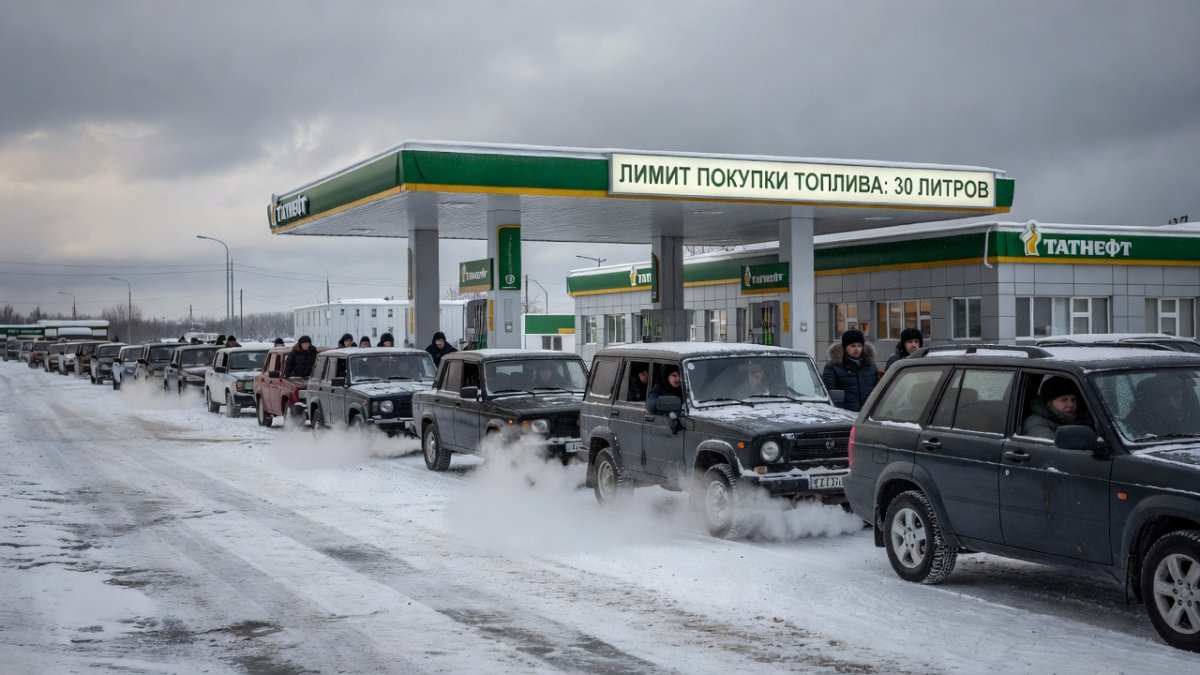
Fuel Rationing Takes Effect Across Tatneft Network Russia's fifth-largest oil producer, Tatneft, has imposed sweeping purchase limits on gasoline and diesel across its network of approximately 800 gas stations nationwide, marking the most significant fuel rationing measure by a major Russian energy company since the start of the war in Ukraine. The restrictions, confirmed by a
Fuel Rationing Takes Effect Across Tatneft Network
Russia's fifth-largest oil producer, Tatneft, has imposed sweeping purchase limits on gasoline and diesel across its network of approximately 800 gas stations nationwide, marking the most significant fuel rationing measure by a major Russian energy company since the start of the war in Ukraine. The restrictions, confirmed by a company representative to the Interfax news agency this week, cap gasoline purchases at 30 liters per vehicle in the Chelyabinsk region and 20 liters in southern Moscow, with diesel limits set at 60 and 40 liters respectively.
The measures come just days after a Ukrainian drone strike crippled Tatneft's flagship Taneco refinery in the industrial city of Nizhnekamsk, Tatarstan, forcing a complete halt to operations at one of Russia's most strategically important refining facilities. The company has denied circulating reports that it has also required cash-only payments, with a spokesperson telling the St. Petersburg outlet Fontanka that such claims were unfounded.
For ordinary Russian motorists, the new limits represent an immediate disruption to daily life. In Chelyabinsk, a major industrial hub in the Ural Mountains region, a 30-liter gasoline cap is barely enough to cover a week of commuting for most workers, while the tighter 20-liter limit in the Moscow suburbs forces drivers to plan trips carefully or queue repeatedly at stations. The restrictions also raise broader questions about the resilience of Russia's domestic fuel supply chain as Ukraine's targeted drone campaign against energy infrastructure continues to escalate.
Taneco Refinery Strike and Its Aftermath
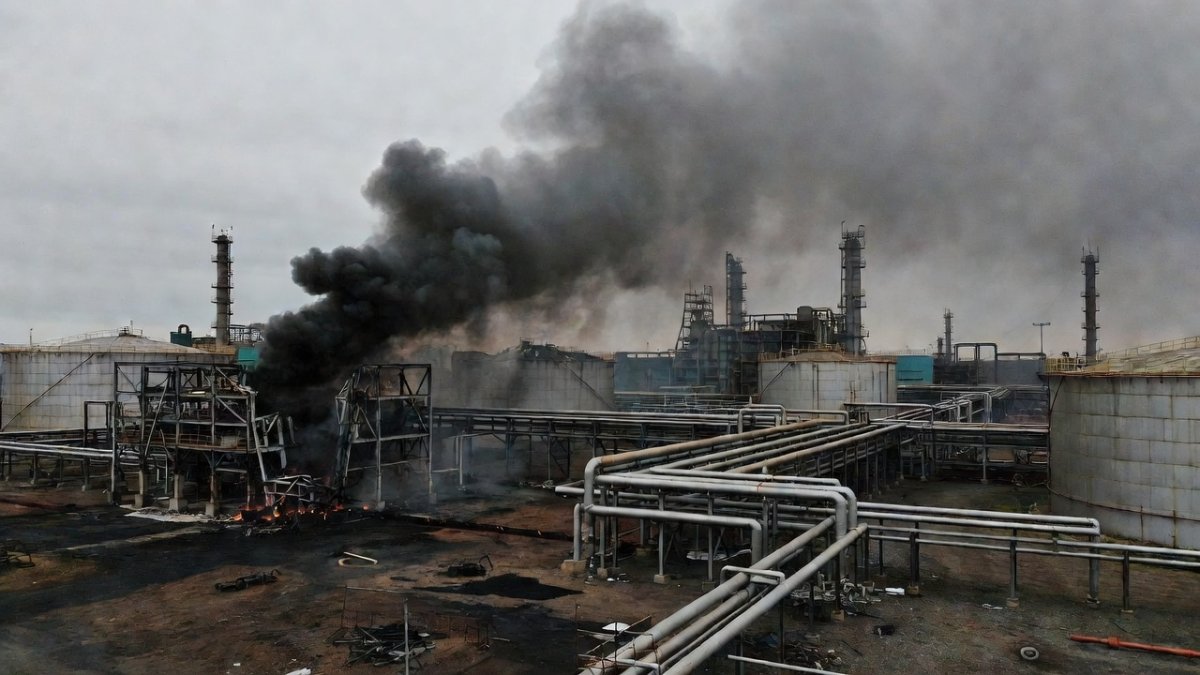
The Ukrainian drone strike that hit the Taneco refinery in Nizhnekamsk occurred on Friday, according to multiple reports citing local authorities in Tatarstan. Operations at the facility came to a complete standstill following the attack, removing a key source of refined products from Tatneft's production chain. The Taneco complex serves as the company's flagship refining asset and processes a substantial share of its crude output for domestic distribution.
Tatneft shares on the Moscow Exchange declined more than 3 percent on Tuesday in direct response to news of the shutdown. Market participants reacted to the sudden loss of refining capacity at a time when several other Russian facilities have already faced similar disruptions. The drop reflected immediate concerns over near-term output and the company's ability to meet existing supply commitments across its retail network.
Industry observers note that Taneco's location in the industrial city of Nizhnekamsk places it among Russia's more modern refining installations, with significant throughput dedicated to gasoline and diesel grades. Its temporary closure adds pressure to an already strained national supply system that has seen incremental losses from repeated strikes on processing infrastructure. Company statements have so far provided limited detail on expected restart timelines.
Fuel Shortages Spread Through Russian Regions
Purchase limits have now appeared in multiple regions beyond the initial reports from Chelyabinsk and southern Moscow, indicating that the supply disruption is widening. Russia's Energy Ministry has publicly acknowledged gasoline shortages in affected areas and attributed the shortfalls directly to Ukrainian drone attacks on refining capacity. The ministry's statements mark the first official recognition at the federal level that targeted strikes are producing measurable effects on domestic availability.
Rosstat data released this week placed the national average gasoline price at 68.45 rubles per liter, representing a 5.6 percent increase since the beginning of the year. The upward movement in prices coincides with the introduction of local rationing measures and reduced refinery runs. An existing ban on gasoline exports remains in force through July 31, a measure originally introduced to protect domestic supply but now under renewed scrutiny as shortages intensify.
Additional refinery strikes reported in recent weeks have compounded the pressure on the overall system. Regional authorities in several districts have begun coordinating with Tatneft and other suppliers to manage allocation, though the patchwork of local caps has created uneven access for drivers traveling between regions. Federal officials continue to monitor inventory levels at storage facilities to prevent further escalation.
Crimea Faces Acute Fuel Crisis
Crimea, which lacks any domestic refining capacity of its own, has experienced particularly severe shortages following Ukrainian attacks on fuel truck convoys. Deliveries normally routed across the land bridge from mainland Russia have been repeatedly disrupted, leaving peninsula stations with sharply reduced stocks. Local residents report extended queues and stations limiting sales to even smaller volumes than those imposed elsewhere.
The interdiction campaign targeting supply routes along the Novorossiya highway has proven especially effective at isolating the region. Without alternative pipeline connections or nearby refineries, Crimea depends entirely on trucked volumes that are now subject to heightened risk. Regional administrators have appealed to federal authorities for emergency allocations, though available reserves remain constrained by the broader national shortfall.
Drivers in Simferopol and other major centers describe daily searches for open stations and frequent instances of pumps running dry by midday. The situation has prompted some commercial operators to reduce operating hours, further limiting access for both civilian and essential service vehicles. Federal agencies have begun exploring air and sea delivery options, yet these alternatives face their own logistical and security challenges.
Kremlin Response: Task Force and Export Controls
Russian federal officials announced the formation of an industry-wide task force for the energy sector in recent days to coordinate responses to the spreading shortages. The Energy Ministry has taken the lead in directing the group, which includes representatives from major producers and regional administrations. Its mandate centers on stabilizing supply flows and prioritizing allocations to critical infrastructure and agricultural users.
The extension of the gasoline export ban through July 31 forms a central element of the current containment strategy. Ministry statements emphasize that the prohibition aims to retain all available volumes for domestic consumption amid ongoing refinery outages. Coordination meetings have also addressed potential increases in rail shipments from unaffected facilities in Siberia and the Volga region.
Politically, the measures reflect growing pressure on Kremlin leadership to demonstrate control over an issue that directly affects daily mobility for millions of citizens. While officials continue to frame the shortages as temporary and externally induced, the visible imposition of rationing at retail outlets has begun to generate public discussion about the longer-term costs of the conflict's expansion into energy infrastructure.
Analysis: Ukraine's Energy War and Russia's Vulnerabilities
Ukraine's campaign of precision strikes on Russian refining assets has exposed structural weaknesses in a system that concentrates processing capacity at a limited number of large facilities. The temporary loss of Taneco output illustrates how single-point disruptions can quickly translate into nationwide retail constraints when inventory buffers are already thin. This pattern suggests that further strikes could produce compounding effects on availability and pricing.
The impact extends beyond civilian motorists to sectors tied to Russia's war economy, including logistics for military transport and agricultural operations that rely on steady diesel supplies. Concentrated infrastructure that once provided economies of scale now represents a vulnerability that Ukrainian forces have systematically targeted. Regional disparities in access, most acute in Crimea, further highlight the uneven resilience of supply lines under sustained pressure.
Looking ahead to 2026, sustained constraints on domestic refining could force difficult policy trade-offs between maintaining export revenues and ensuring internal stability. The current task force and export restrictions represent short-term containment tools, yet they do not address the underlying exposure created by repeated attacks on processing plants. Continued escalation in this domain risks deepening shortages and accelerating price growth already documented in official statistics.
By Irina Volkov, Staff WriterThis article was produced with AI-assisted research and editorial support. Reporting is based on sources cited in the article.
What's Your Reaction?
 Like
0
Like
0
 Dislike
0
Dislike
0
 Love
0
Love
0
 Funny
0
Funny
0
 Wow
0
Wow
0
 Sad
0
Sad
0
 Angry
0
Angry
0

Russia/Eastern Europe Correspondent at Global1.News. Covering Russian politics, energy, security, and the shifting dynamics of the post-Soviet space. Provides clear-eyed analysis on one of the world's most opaque regions.














Comments (0)