
Sixteen pupils killed in Kenya school fire

Tragedy in Kenyan Schools: 16 Young Lives Lost in Devastating Fire, Sparking Urgent Calls for Safety Reforms Across Africa
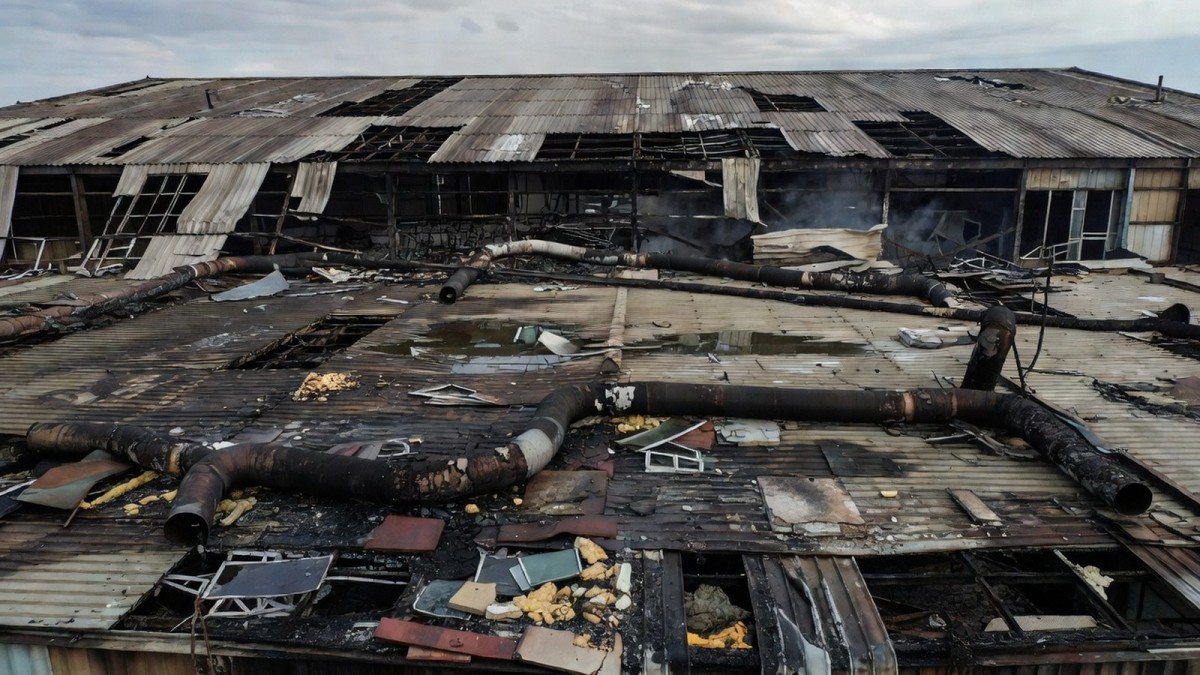
As dawn broke over the rolling hills of western Kenya last week, the air in a small boarding school compound still carried the acrid scent of smoke and sorrow. Sixteen pupils, most between the ages of 12 and 15, perished in a fierce blaze that engulfed their dormitory. Dozens more suffered burns and smoke inhalation, their futures forever altered. The cause remains unknown, leaving families, educators, and communities grappling with profound grief and unanswered questions. From my vantage point in Dakar, where Senegalese families often share stories of resilience amid hardship, this Kenyan tragedy resonates deeply as a reminder of the vulnerabilities facing our continent's children.
The Night the Flames Took Hold
Reports indicate the fire erupted around 2 a.m. in a dormitory housing over 120 students at the school located in a rural area near Nakuru. Eyewitness accounts describe how the blaze spread rapidly through wooden structures and thatched elements common in many older Kenyan educational facilities. Teachers and older students attempted to evacuate the younger ones, but narrow exits and locked doors in some sections hampered efforts. By the time firefighters arrived from a nearby station, 16 bodies had been recovered, and emergency services transported 47 injured pupils to hospitals in Nakuru and Nairobi.
Local authorities have confirmed that investigations are underway, with preliminary examinations ruling out electrical faults in some areas but pointing to possible arson or accidental ignition from cooking equipment stored nearby. No official cause has been released, underscoring the need for thorough forensic analysis. In the immediate aftermath, parents flooded the scene, their wails echoing through the night as community elders organized traditional mourning rituals that blend Christian hymns with indigenous Kikuyu customs of communal lamentation.
Historical Context: A Pattern of School Fires in Kenya
This incident is not isolated. Kenya has witnessed several devastating school fires over the past two decades. In 2001, a fire at Kyanguli Secondary School claimed 67 lives, prompting temporary safety reviews that were never fully implemented. More recently, in 2017, a blaze at Moi Girls Secondary School in Nairobi left nine students dead. Data from Kenya's Ministry of Education reveals that between 2010 and 2023, over 150 school fires were reported, with boarding institutions accounting for 70% of fatalities. These numbers highlight systemic issues like aging infrastructure, overcrowding, and inadequate fire suppression systems.
Comparatively, in Senegal where I report from Dakar, similar challenges exist in rural Quranic schools and public lycées, though community-led initiatives have reduced incidents through volunteer fire brigades. The Kenyan case invites broader reflection on how African nations can learn from one another to protect the next generation.
Voices from the Community and Experts
"Our children went to sleep dreaming of becoming doctors and teachers," said Grace Wanjiku, mother of one of the survivors, in an emotional interview. "Now we must rebuild not just buildings, but hope itself." Local chief Samuel Kiprono emphasized the cultural fabric: "In our villages, education is the bridge out of poverty. Losing these pupils fractures the entire community."
Dr. Amina Hassan, a fire safety specialist at the University of Nairobi, provided critical analysis. "Many Kenyan schools rely on outdated building codes from the 1970s. Sprinklers are rare, and evacuation drills occur infrequently. With climate change increasing dry conditions, the risk multiplies," she noted. Her research indicates that proper retrofitting could prevent 80% of such tragedies, citing successful models in South Africa where government subsidies have upgraded over 500 schools.
Education analyst Professor John Mwangi added context on societal implications: "This loss exacerbates Kenya's already strained education system, where enrollment rates in secondary schools hover around 65%. Families in low-income areas may now hesitate to send children to boarding facilities, widening urban-rural divides."
Government Response and Policy Implications
Kenyan President William Ruto visited the site, pledging immediate compensation of 500,000 Kenyan shillings per family and a nationwide audit of school safety standards. The Ministry of Education announced plans to install smoke detectors and conduct mandatory drills, though critics question funding allocation amid a national budget prioritizing infrastructure over maintenance.
Broader implications extend to the African Union’s Agenda 2063, which emphasizes quality education. Incidents like this underscore the urgency for regional cooperation—perhaps through shared resources for fire safety training between East and West Africa. In Senegal, similar programs funded by community cooperatives have proven effective, suggesting scalable solutions continent-wide.
Cultural and Societal Ripples
Beyond statistics, the human cost is immeasurable. Funerals in the affected villages drew hundreds, with rituals honoring the deceased through song and storytelling that reinforce communal bonds. This tragedy highlights the resilience of African societies, where neighbors provide food and shelter to grieving families, embodying the spirit of "Ubuntu" or "Teranga" familiar in Senegalese culture.
Yet it also exposes inequalities: rural schools often lack the resources of urban counterparts. Analysis shows that investing in fire-resistant materials and mental health support for survivors could yield long-term societal benefits, reducing dropout rates and fostering innovation among youth.
As investigations continue, the story serves as a call to action. African communities have always rallied around their children; now is the time for policymakers to match that warmth with concrete protections.
This is Amara Diop for Global1 News, reporting from Dakar. 🇸🇳
This article was produced with AI-assisted research and editorial support. Reporting is based on sources cited in the article.
What's Your Reaction?
 Like
0
Like
0
 Dislike
0
Dislike
0
 Love
0
Love
0
 Funny
0
Funny
0
 Wow
0
Wow
0
 Sad
0
Sad
0
 Angry
0
Angry
0

West Africa/Sahel Correspondent at Global1.News. Dakar-based journalist covering politics, security, climate, and development across Francophone and Anglophone West Africa. Tells the stories of a region undergoing profound transformation.













Comments (0)