
Sheinbaum Balances CNTE Protests and USMCA Tensions at Wo...
**Keywords:** Claudia Sheinbaum, CNTE protests, World Cup 2026, USMCA trade, Estadio Azteca, Mexico teachers, Trump tariffs, Mexican economy, mañaneras, Mexico City Fan Fest The Estadio Azteca roared on Thursday, June 12, 2026, as Mexico opened its third World Cup with a 2-0 victory over South Africa that brought together a nation navigating protests, trade uncertainty, and dee
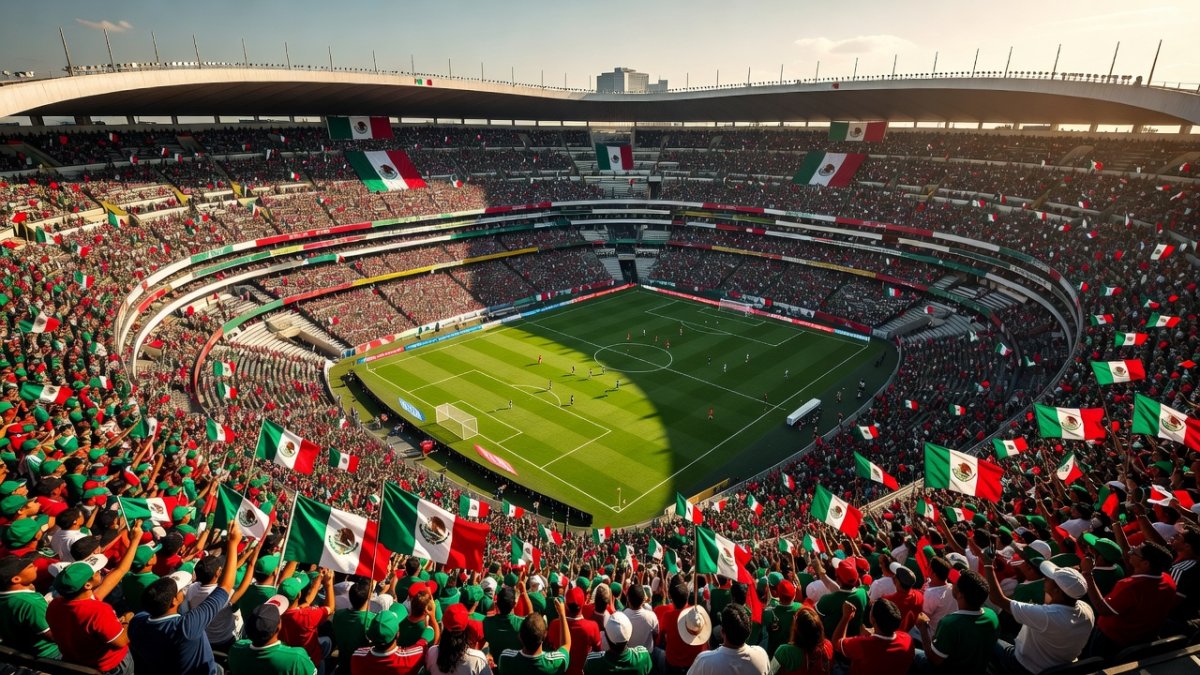
The Estadio Azteca roared on Thursday, June 12, 2026, as Mexico opened its third World Cup with a 2-0 victory over South Africa that brought together a nation navigating protests, trade uncertainty, and deep-seated hopes for the future. Julián Quiñones struck in the ninth minute, Raúl Jiménez added a header just before the hour mark, and 17-year-old Gilberto Mora made history as the youngest Mexican ever to appear on football's grandest stage. But beyond the scoreline, the week revealed something more profound about President Claudia Sheinbaum's leadership — her ability to hold together a country balancing celebration, dissent, and diplomatic pressure all at once, all under the eyes of the world. From the streets of the capital to the halls of Washington, from the classrooms left empty by striking teachers to the packed Fan Fests in every one of Mexico City's 16 boroughs, this was a week that tested — and in many ways defined — the Sheinbaum presidency at its midpoint.
CNTE Highway Blockades and School Disruptions
CNTE members blocked major highways and Metro lines in the days leading up to the match, creating long delays for families trying to reach work or medical appointments in the capital. The union had announced plans for a march toward Estadio Azteca itself, raising concerns among residents in surrounding colonias about access and safety. Sheinbaum addressed these actions directly in her mañaneras, cautioning that provocateurs could attempt to exploit the situation for political gain.
School closures tied to the CNTE actions left 1.4 million students without classes across affected regions. Teachers and parents in rural communities and ejidos expressed frustration over lost instructional time, especially for children preparing for end-of-year evaluations. Small business owners near blocked routes reported sharp drops in daily sales as customers stayed home.
Despite the disruptions, the overall turnout for CNTE actions fell short of organizers' projections. Many teachers chose to remain in their classrooms rather than join the demonstrations, reflecting a divide within the education sector itself. Community leaders in indigenous areas noted that local assemblies often prioritized keeping schools open to support working families.
Sheinbaum's Mañaneras and Work-from-Home Decree
Sheinbaum held three mañaneras focused on the protests, using the daily briefings to explain government steps and invite public input. She emphasized that dialogue remained open while stressing the need to protect essential services during the World Cup period. The tone stayed measured, consistent with her approach of addressing concerns without escalation.
On Tuesday she issued a work-from-home decree for public employees in Mexico City to reduce traffic and ease pressure on roads near the stadium. The measure allowed many families to avoid long commutes while still completing their responsibilities. Office workers in the capital adapted quickly, using video calls to maintain coordination with colleagues in other states.
The decree also highlighted the administration's focus on practical solutions that support daily life in the city. Residents in various boroughs appreciated the flexibility, particularly those with children or elderly relatives at home. This step connected directly to broader efforts to keep essential city functions running smoothly amid multiple pressures.
Direct Consultations with One Million Teachers
On Thursday Sheinbaum announced plans to bypass CNTE national leadership and consult more than one million teachers directly on a school-by-school basis beginning in August. The approach aimed to gather input from educators at the local level rather than through union intermediaries. Officials from the Secretaría de Educación Pública began preparing the logistics for these visits across states.
Teachers in maquiladora communities and rural ejidos welcomed the opportunity to share classroom realities without traveling to national meetings. Many expressed hope that the process would lead to targeted improvements in supplies and infrastructure. The initiative reflected a continuation of community-centered policies from the previous administration.
Education advocates noted that direct outreach could strengthen ties between the federal government and frontline educators. Families in colonias viewed the plan as a way to keep student needs at the center of policy discussions. Implementation details would unfold over the coming months, with initial sessions scheduled after the World Cup period.
Security Preparations Around Estadio Azteca
Security forces closed roads near Estadio Azteca and restricted access along the Periférico to ensure safe movement for the 80,000 spectators expected at the match. Additional controls were placed around the airport to manage incoming visitors. These measures allowed the game to proceed without incident despite earlier protest announcements.
Guardia Nacional and local police coordinated with SEDENA to maintain order while minimizing disruption to nearby neighborhoods. Residents in adjacent areas received advance notice so they could plan their routines. The coordinated effort kept focus on the celebration inside the stadium rather than on street tensions.
Authorities also monitored potential flashpoints along planned CNTE routes, deploying resources only where needed. This targeted presence helped prevent larger confrontations. Community observers praised the restraint shown by security teams throughout the day.
USMCA Trade Pressures and Peso Movements
Trade tensions surfaced when statements from Washington indicated reluctance to renew the USMCA agreement, sending the peso to 17.20 per dollar, its highest level in four months. Mexican exporters in border states watched the currency closely, concerned about impacts on maquiladora operations. Sheinbaum responded by underscoring that the agreement benefits all three partner nations.
Marcelo Ebrard confirmed that Mexican negotiators stood ready for talks scheduled in Washington from June 15 to 18. The meetings were expected to address outstanding issues while preserving the framework that supports millions of jobs across North America. Business chambers in northern Mexico urged calm during the process.
Sheinbaum maintained that Mexico would defend its interests firmly yet constructively. Farmers and small producers tied to export markets followed developments closely, aware that stable trade rules affect daily livelihoods. The administration continued outreach to congressional partners in the Congreso de la Unión to align domestic positions.
Fan Fests and Community Celebrations Across CDMX
More than 200,000 people gathered at 18 Fan Fests spread through all 16 boroughs of Mexico City, with the largest site at the Zócalo drawing 100,000. Families from every colonia joined the festivities, turning public spaces into shared celebrations of Mexican football. Street vendors and local musicians added to the atmosphere at each location.
Sheinbaum presented a match ticket to Yolett Cervantes, a Veracruz resident known for her juggling skills, and distributed 500 additional seats to ordinary citizens selected through public programs. These gestures reinforced the idea that the World Cup belonged to everyday Mexicans rather than only to officials or elites. Recipients included teachers, market vendors, and migrant workers' relatives.
The widespread Fan Fests allowed communities far from the stadium to participate fully. In boroughs with large indigenous populations, local organizers incorporated traditional elements into the events. The inclusive approach helped maintain national unity even as other challenges demanded attention from the presidency.
Sheinbaum's Midterm Leadership Balance
Throughout the week Sheinbaum demonstrated an ability to address CNTE concerns, manage security logistics, and respond to external trade signals without losing sight of the national celebration. Her decisions reflected a steady focus on protecting public services while advancing dialogue. Observers in Palacio Nacional noted the president's consistent emphasis on listening to diverse voices.
The combination of protests, currency fluctuations, and the historic match created a unique test for the administration at its midpoint. Sheinbaum's responses prioritized practical measures that supported families in colonias and rural areas. This approach built on the community orientation that has defined recent Mexican governance.
As talks with Washington approached and teacher consultations prepared to begin in August, the coming months would reveal how these threads continue to intertwine. The World Cup opener served as a reminder that Mexico can host global events while navigating internal and external pressures. Residents across the country watched closely, hopeful that balanced leadership would sustain both stability and progress.
Tags: Claudia Sheinbaum, CNTE protests, World Cup 2026, USMCA trade, Estadio Azteca, Mexican peso, mañanera, teachers union, Mexico City Fan Fest, trade talks
By Rosa Martinez, Staff Writer
This article was produced with AI-assisted research and editorial support. Reporting is based on sources cited in the article.
What's Your Reaction?
 Like
0
Like
0
 Dislike
0
Dislike
0
 Love
0
Love
0
 Funny
0
Funny
0
 Wow
0
Wow
0
 Sad
0
Sad
0
 Angry
0
Angry
0
Latin America/Andes Correspondent at Global1.News. Based in Bogota, covering politics, environment, energy, and social movements across the Andean region. Passionate about environmental journalism and communities protecting their land.










Comments (0)