
Canada and Ecuador Formalise Free Trade Agreement in Ottawa
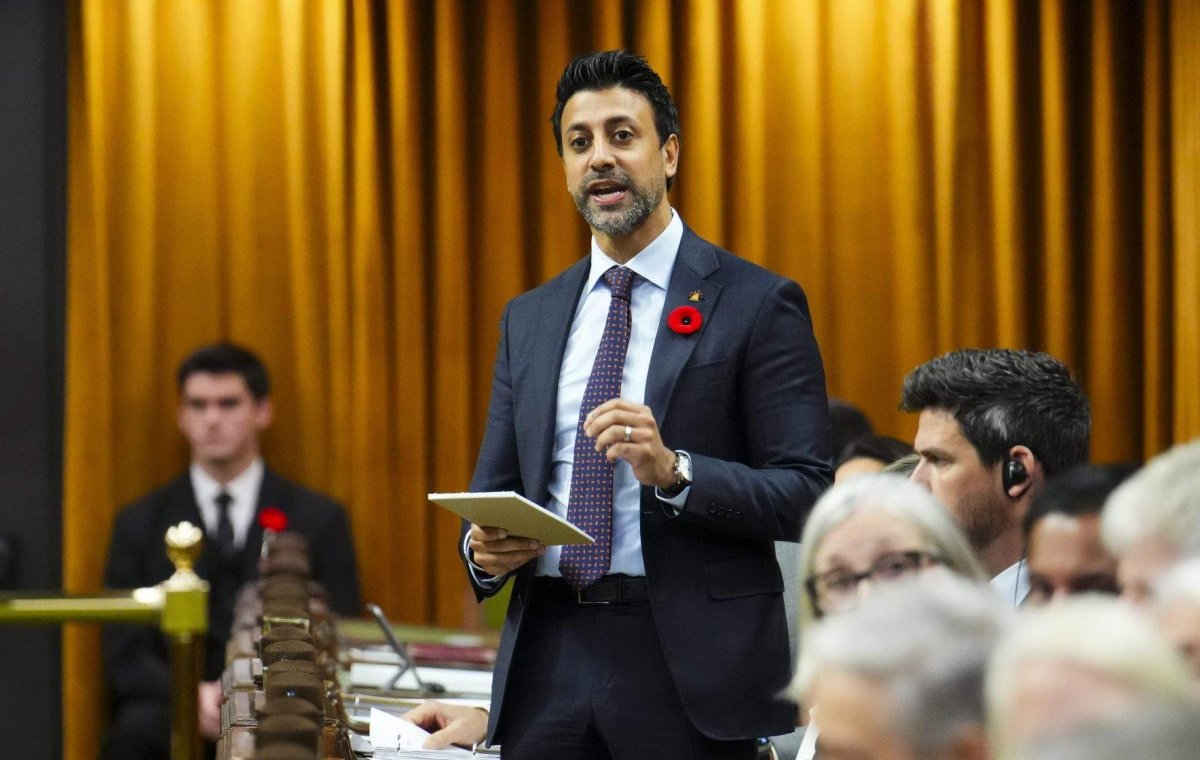
Canadian and Ecuadorian officials completed the signing of a bilateral free trade agreement in Ottawa on Friday, July 24, 2026, marking the end of negotiations that wrapped up in early 2025. The ceremony took place without public events, according to statements from both governments, yet it carries implications for trade policy, resource development and relations with Indigenous communities on both sides of the agreement.
Canada and Ecuador Formalise Free Trade Agreement in Ottawa
Canadian and Ecuadorian officials completed the signing of a bilateral free trade agreement in Ottawa on Friday, July 24, 2026, marking the end of negotiations that wrapped up in early 2025. The ceremony took place without public events, according to statements from both governments, yet it carries implications for trade policy, resource development and relations with Indigenous communities on both sides of the agreement.
Details of the Ottawa Ceremony
The signing occurred at a federal venue in the national capital, with Ecuador's minister of production, foreign trade and investment, Luis Alberto Jaramillo, travelling to Ottawa for the occasion. A spokesperson for the Embassy of Ecuador to Canada, Lucero Gutiérrez, confirmed Jaramillo's attendance. On the Canadian side, International Trade Minister Maninder Sidhu's office was represented through spokesperson Mujtaba Hussain, who noted that while the formal signing proceeded, no additional public events had been organised around it.
This low-profile approach reflects standard practice for many trade pacts finalised under the current federal government. Ottawa remains the centre of such diplomatic activity, with Parliament Hill often serving as the backdrop for announcements that later move through the House of Commons for any required legislative steps.
Background to the Negotiations
Discussions between the two countries concluded in early 2025 after several rounds of talks. In May of that year, while attending President Daniel Noboa's inauguration in Quito, Minister Sidhu signed a joint statement marking the end of formal negotiations. The agreement was developed under Ottawa's stated "inclusive trade agenda," which aims to extend benefits to smaller enterprises, including those owned by Indigenous peoples and women.
Global Affairs Canada and the Department of International Trade have framed the pact as consistent with broader Canadian objectives around rules-based commerce. Ecuador, for its part, has agreed to remove tariffs on all Canadian imports once the necessary domestic processes are completed.
Current Trade Levels and Expected Effects
Bilateral trade between Canada and Ecuador reached almost $2.2 billion in 2025. Canadian exports to Ecuador include machinery, agricultural products and mining-related equipment, while imports from Ecuador centre on agricultural goods and some minerals. The removal of Ecuadorian tariffs is expected to open further opportunities for Canadian firms of varying sizes.
Officials in Ottawa have emphasised that the deal could support Indigenous-owned businesses and women-led enterprises seeking access to Ecuadorian markets. At the same time, the agreement's investor-state dispute settlement provisions have drawn attention because they may permit Canadian mining companies to pursue claims against the Ecuadorian government in certain circumstances.
Criticism from Civil Society Organisations
Several Canadian groups, including the Canadian Centre for Policy Alternatives, MiningWatch Canada and Amnesty International Canada, have expressed reservations about the agreement. These organisations argue that the pact could place additional pressure on Ecuador's environment and contribute to ongoing human rights challenges in mining-affected regions.
Critics point to the potential for investor protections to limit the policy space available to Ecuadorian authorities when addressing community concerns. Canadian mining companies have long operated in Latin America, and past cases involving similar provisions have prompted debate in Ottawa about the balance between commercial interests and environmental safeguards.
Indigenous and Community Consultation Concerns
Ecuadorian Indigenous women and rights defenders have raised specific issues during visits to Canada regarding the absence of adequate consultation with Indigenous nations and rural communities in Ecuador. These concerns align with principles outlined in the United Nations Declaration on the Rights of Indigenous Peoples, which Canada has endorsed and which emphasises free, prior and informed consent.
Federal officials maintain that the inclusive trade agenda incorporates gender and Indigenous considerations, yet civil society representatives contend that more direct engagement with affected communities is required before the agreement advances further. Such discussions echo ongoing federal-provincial and Indigenous relations within Canada itself, where similar standards of consultation are applied to resource projects.
Next Steps and Broader Context
Following the signing, both governments will undertake internal procedures before any provisions come into force. The timeline for full implementation remains subject to legislative and regulatory processes in each country. Canadian trade policy continues to evolve with attention to environmental standards and human rights commitments, even as commercial ties with partners in the Americas expand.
The agreement reflects Ottawa's ongoing effort to diversify trade relationships while navigating domestic expectations around transparency and accountability. Observers in both capitals will monitor how the provisions operate once they begin to apply, particularly in sectors such as mining where Canadian investment has historically been significant.
Tags: Canada Ecuador free trade agreement, Maninder Sidhu, Luis Alberto Jaramillo, Ottawa signing, bilateral trade, ISDS provisions, Indigenous consultation, UNDRIP
By Alex Thompson, Staff Writer
This article was produced with AI-assisted research and editorial support. Reporting is based on sources cited in the article.
What's Your Reaction?
 Like
0
Like
0
 Dislike
0
Dislike
0
 Love
0
Love
0
 Funny
0
Funny
0
 Wow
0
Wow
0
 Sad
0
Sad
0
 Angry
0
Angry
0
Canada Correspondent at Global1.News. Based in Toronto, covering Canadian politics, energy, trade, and US-Canada relations. Provides the Canadian perspective on North American and global affairs.












Comments (0)