
Sara Duterte Impeachment Trial Opens: Day 1 Senate Recap
The impeachment trial of Vice President Sara Duterte opened on July 6, 2026, marking the first time in Philippine history that a sitting vice president has faced such proceedings in the Senate. The historic nature of this moment cannot be overstated. For a nation that has long valued the checks and balances of its democracy, this trial represents a profound test of institutions
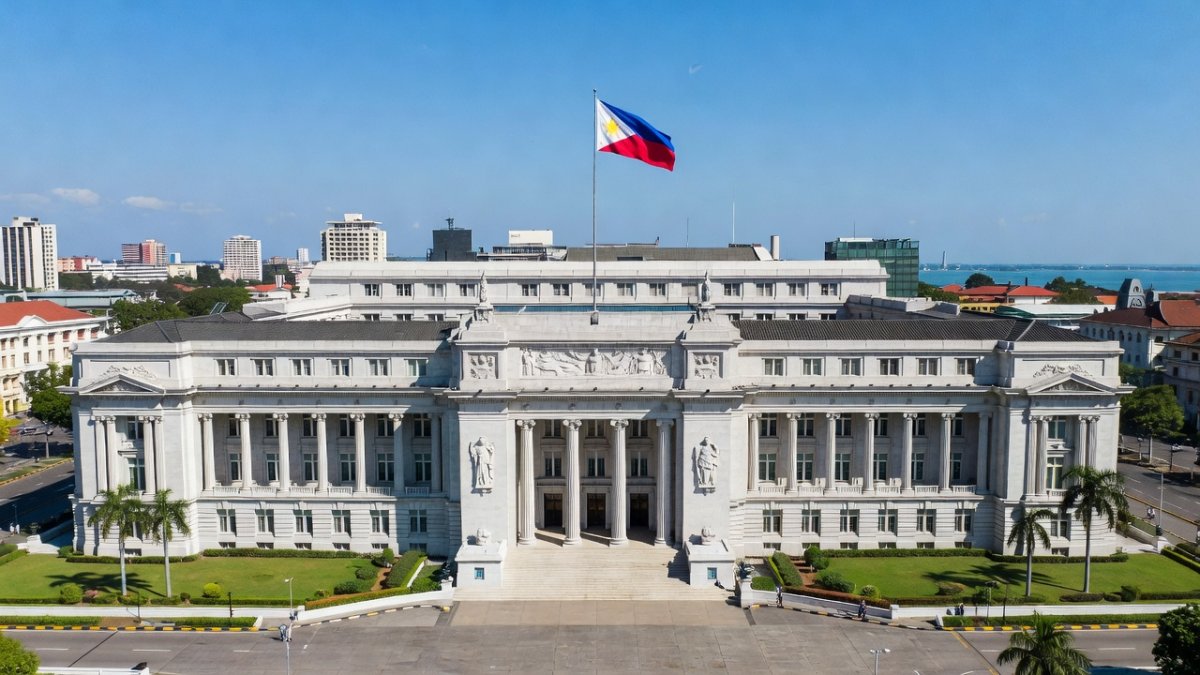
The impeachment trial of Vice President Sara Duterte opened on July 6, 2026, marking the first time in Philippine history that a sitting vice president has faced such proceedings in the Senate. The historic nature of this moment cannot be overstated. For a nation that has long valued the checks and balances of its democracy, this trial represents a profound test of institutions that ordinary citizens have come to rely upon. Four articles of impeachment stand at the center: alleged misuse of confidential funds, unexplained wealth, bribery, and threats to kill President Ferdinand Marcos Jr. Sen. Chiz Escudero was chosen to serve as presiding officer, a role that places him at the heart of proceedings expected to stretch as long as 92 days.
From the bustling streets of Manila to the quiet corners of provincial barangays, Filipinos are watching closely. Sari-sari store owners pause between customers to catch updates on the radio. Jeepney drivers discuss the developments during long waits at terminals. The trial is not merely a legal exercise; it touches the very fabric of public trust. When leaders are held accountable, it sends a message that no position is above scrutiny. For everyday citizens who line up to vote and pay their taxes, this process reaffirms that their voices and their 32 million ballots still matter in shaping the nation’s direction.
Senate Reorganization and the Presiding Officer Battle
The path to Sen. Chiz Escudero’s selection as presiding officer was marked by sharp debate during the Senate’s reorganization. Senators Alan Peter and Pia Cayetano moved repeatedly to block the election, raising questions about procedure and authority. Their objections highlighted deep divisions over how the chamber should organize itself for such a weighty responsibility. Ultimately, Escudero was elected by a vote of 12-8, a tally that reflected both support and resistance within the Senate.
The constitutional debate centered on the silence of the charter regarding who should preside over an impeachment trial involving the vice president. Some senators argued that established rules left room for interpretation, while others insisted on strict adherence to precedent. These discussions matter because they shape how the trial unfolds and whether the process feels fair to citizens observing from afar. When the Senate resolves internal questions openly, it strengthens public confidence that the institution can handle complex challenges without descending into chaos.
Ordinary Filipinos see these maneuvers as more than political theater. They recognize that the rules governing powerful officials affect everyone. A transparent reorganization signals that even in moments of tension, democratic processes can prevail. This battle over the presiding officer sets the tone for a trial that will test not only the vice president but the Senate’s ability to serve as a steady guardian of accountability.
Prosecution's Case: Four Chapters of Betrayed Trust
Rep. Jinky Luistro opened the prosecution’s presentation by framing the four articles as “four chapters of the same story” of public trust betrayed. She emphasized that evidence would focus on more than P612 million in confidential funds dispersed under circumstances that cannot withstand scrutiny. The prosecution intends to present documentation and testimony showing how these funds were handled and why they raise serious concerns about misuse, unexplained wealth, bribery, and threats.
Luistro stressed that the case rests on evidence rather than propaganda, a distinction she repeated to underscore the gravity of the charges. For many Filipinos, the mention of P612 million carries immediate weight. That sum represents resources that could have supported classrooms, health centers, or disaster relief in communities still recovering from recent storms. When public money is involved, citizens naturally ask whether it served the common good or private interests.
The human impact is felt most keenly in barangays where budgets are tight and every peso counts. Jeepney drivers and sari-sari store owners understand the value of accountability because they live with the consequences of decisions made far from their daily struggles. The prosecution’s promise to rely on evidence offers hope that the trial will illuminate facts rather than fuel speculation, allowing the public to judge for themselves whether trust was indeed broken.
Defense's Response: Abuse of Process and the 32 Million Mandate
Defense counsel Sheila Sison countered by highlighting that Vice President Duterte was elected by more than 32 million Filipinos. She invoked the Supreme Court’s July 2025 ruling that voided the first impeachment complaint, arguing that the current proceedings represent an abuse of process. The defense framed the trial as an attempt to overturn the will of the electorate through repeated legal challenges rather than through the ballot box.
This line of argument resonates with citizens who remember casting their votes in 2022. Thirty-two million is not an abstract number; it represents families across the archipelago who lined up at precincts, believing their choice would shape the next six years. When the defense invokes that mandate, it reminds ordinary people that their participation in democracy carries lasting consequences.
At the same time, the Supreme Court’s earlier ruling serves as a reminder that institutions can correct course when procedures are questioned. For students and young voters watching the trial, these exchanges illustrate how checks and balances operate in real time. The defense’s emphasis on process abuse invites the public to consider whether repeated impeachment efforts strengthen or weaken democratic norms, a question that will influence how future generations view civic participation.
Escudero's Threshold Ruling: The 16-Vote Question
Sen. Chiz Escudero ruled that conviction requires 16 votes, drawing on a 2000 Supreme Court precedent to guide the Senate’s deliberations. This threshold establishes a clear numerical standard for removing a vice president from office. The ruling provides structure to proceedings that could otherwise become mired in procedural disputes, offering both sides a predictable path forward.
For citizens following the trial, the 16-vote requirement underscores the gravity of impeachment. Removing an official elected by millions demands a substantial consensus within the Senate. This safeguard protects against hasty decisions while still allowing accountability when evidence warrants it. In a country where political loyalties often run deep, such a high bar encourages careful consideration rather than partisan reflex.
The ruling also highlights the Senate’s role as a stabilizing force. When presiding officers issue clear guidance based on established precedent, the public gains confidence that the process remains grounded in law rather than shifting political winds. This clarity matters to families who want assurance that institutions will function even during storms—both literal and political—that test the nation’s resilience.
Public Access and the Limits of Transparency
Only 61 members of the public were permitted to observe the trial in person, while reporters were restricted to pen and paper with no electronic devices allowed. Among those present was student Jethro Padernos, whose presence symbolized the younger generation’s stake in the outcome. These restrictions reflect the Senate’s effort to maintain order and security during an unprecedented proceeding.
Limited access raises important questions about how information reaches the broader public. In a nation of over 110 million people, most Filipinos will follow developments through radio, television, and community discussions rather than direct observation. The constraints on reporters mean that coverage depends heavily on careful note-taking and subsequent analysis, placing greater responsibility on media outlets to convey facts accurately.
Student Jethro Padernos later shared in Filipino that seeing the proceedings up close made him realize democracy requires active watching, not just voting. His perspective captures the hopes of many young citizens who want institutions to remain open and accountable. When access is tightly controlled, the public must rely on trusted intermediaries, reminding everyone that transparency is a shared responsibility between officials and an engaged citizenry.
Escudero's Complex Political Journey
Sen. Chiz Escudero’s selection as presiding officer comes after a notable political path that included serving as Senate president in June 2025. He previously voted to return the first impeachment articles, a decision that drew both praise and criticism. His surprise appearance during the June 3 reorganization added another layer to his involvement in shaping the current trial.
Escudero’s history positions him as a figure familiar with both the Senate’s internal dynamics and the broader political landscape. For ordinary Filipinos, his role raises questions about impartiality that are natural in any high-stakes proceeding. Citizens want assurance that the person guiding the trial will apply rules consistently, regardless of past affiliations or votes.
At the same time, his experience may help the Senate navigate the procedural complexities ahead. When a presiding officer understands the chamber’s traditions, proceedings can move forward with greater efficiency. This balance between familiarity and fairness is what many sari-sari store owners and jeepney drivers hope for: a process that feels steady and just, even when the issues are deeply divisive.
What This Means for the Filipino People
The impeachment trial touches the daily lives of sari-sari store owners calculating daily earnings, jeepney drivers navigating traffic while listening to radio updates, OFWs sending remittances home, and students planning their futures. The P612 million in confidential funds represents resources that could have addressed classroom shortages or health services in communities still rebuilding after storms. When such sums are questioned, citizens feel the stakes personally.
The 92-day timeline means the trial will unfold alongside the rhythms of Philippine life—school openings, harvest seasons, and family gatherings. Its outcome could influence the political climate leading into the 2028 elections, shaping how parties position themselves and how voters weigh candidates. For a nation that values bayanihan, the spirit of communal effort, the trial offers a chance to demonstrate that accountability strengthens rather than divides.
Ultimately, the proceedings test whether institutions can deliver justice that ordinary people recognize as fair. When leaders face scrutiny, it reinforces the idea that public office is a trust, not a privilege. This realization empowers citizens to stay informed and engaged, knowing their participation in democracy extends beyond election day into ongoing vigilance.
The Road Ahead
Vice President Duterte was absent from the opening day as she prepared for Super Typhoon Bavi, a reminder that natural disasters continue to demand national attention even as political proceedings unfold. Witness presentations are scheduled to begin the following day, setting the stage for weeks of testimony and argument within the 92-day window.
The coming months will test the Senate’s capacity to balance thoroughness with efficiency. Citizens will watch how evidence is presented, how objections are handled, and whether the process maintains public trust. The trial’s length means families will discuss developments over dinner tables and during barangay meetings, turning legal questions into community conversations.
What matters most is continued civic engagement. When Filipinos follow the trial, ask questions, and hold their representatives accountable, they participate in the very democracy the proceedings aim to protect. By staying informed and involved, ordinary citizens ensure that this historic moment strengthens the nation’s commitment to justice and transparency for generations to come.
By Bella Reyes, Staff WriterThis article was produced with AI-assisted research and editorial support. Reporting is based on sources cited in the article.
What's Your Reaction?
 Like
0
Like
0
 Dislike
0
Dislike
0
 Love
0
Love
0
 Funny
0
Funny
0
 Wow
0
Wow
0
 Sad
0
Sad
0
 Angry
0
Angry
0

Philippines/Southeast Asia Correspondent at Global1.News. Manila-based journalist covering Philippine politics, environment, maritime security, and social issues. Passionate about marine conservation and the communities protecting the Philippines' natural heritage.













Comments (0)