
US Rejects USMCA Extension, Mexico Weighs New Trade Path
US Rejects 16-Year Extension of USMCA Trade Pact The United States announced on July 1, 2026, that it would not accept a 16-year renewal of the USMCA trade pact in its current form. USTR Jamieson Greer stated the administration would not move forward with the extension Mexico and Canada had sought until 2042. Instead, the agreement will face annual reviews through 2036. Economy
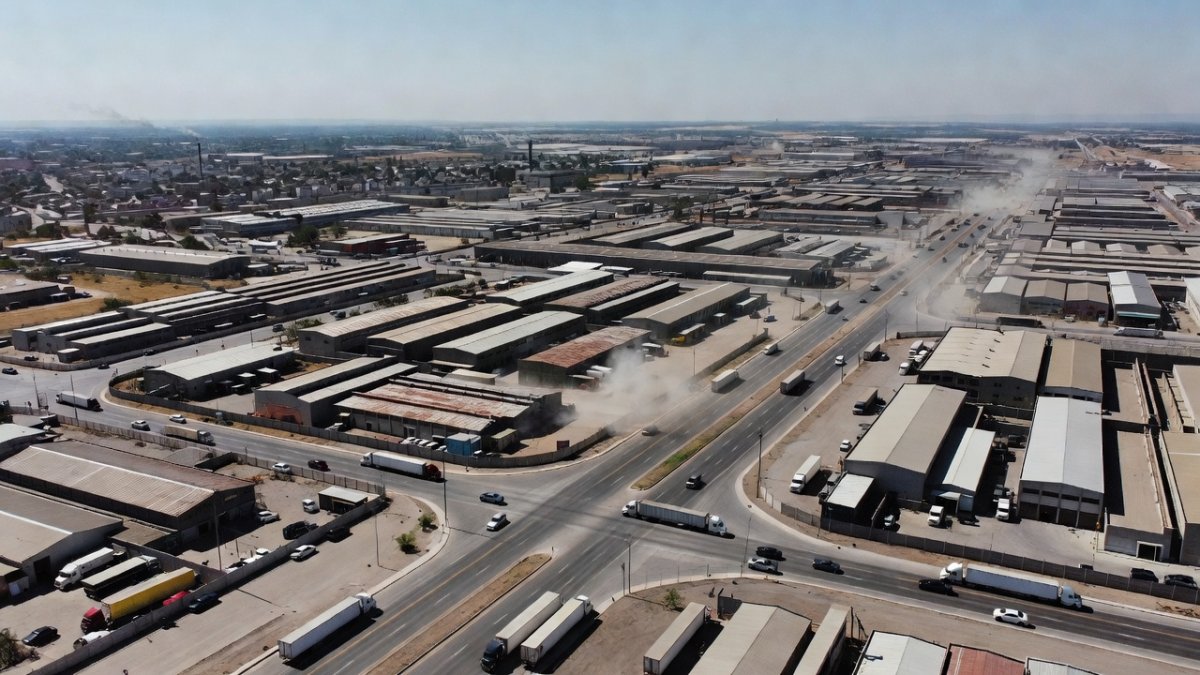
US Rejects 16-Year Extension of USMCA Trade Pact
The United States announced on July 1, 2026, that it would not accept a 16-year renewal of the USMCA trade pact in its current form. USTR Jamieson Greer stated the administration would not move forward with the extension Mexico and Canada had sought until 2042. Instead, the agreement will face annual reviews through 2036.
Economy Minister Marcelo Ebrard noted that the pact remains in force from now until 2036. This means 85 percent of Mexican exports continue to enter the United States tariff-free during that period. The decision keeps existing terms active while both sides prepare for yearly evaluations.
President Trump has repeatedly pointed to the US trade deficit with Mexico and Canada as his main concern. Mexican officials had hoped the longer extension would give factories and farms more certainty for investment. The shorter review cycle now shifts attention to how each annual check might affect those same communities.
Workers and business owners across northern Mexico are already discussing what the yearly process could bring. Many families rely on the steady flow of goods that currently move without tariffs. The coming reviews will test how well the agreement supports those daily realities.
What Annual Reviews Mean for Factory Workers and Border Families
Factory workers in Tijuana, Monterrey, Ciudad Juárez, and Aguascalientes now face a future of annual checks instead of a long-term guarantee. Plants that produce auto parts, electronics, and agricultural goods employ thousands of mothers and fathers who count on steady shifts. The yearly reviews introduce a layer of uncertainty that long-term planning once helped ease.
Families in the northern colonias have built their budgets around the idea that the trade pact would remain stable for many years. With reviews arriving each year through 2036, parents must think more carefully about school costs, home repairs, and even small savings. The change touches everyday decisions in households that depend on export work.
Many of these workers send money to relatives in smaller towns or ejidos further south. The uncertainty of annual talks can ripple outward, affecting how much support reaches those extended families. Community leaders in the border region are already holding informal meetings to share information about what each review might mean.
Despite the new rhythm of reviews, the core of 85 percent tariff-free exports continues for now. Families are focusing on what they can control while they wait for clearer signals from the July 20 talks. The coming months will show how well border communities adapt to this more frequent evaluation cycle.
July 20 Talks: Section 232 Tariffs Top the Agenda
Economy Minister Marcelo Ebrard has placed the reduction of Section 232 tariffs on steel, aluminum, and vehicles at the center of the third round of bilateral talks set for July 20. Workers in Monclova who produce steel and workers in Aguascalientes who assemble cars feel the weight of these tariffs most directly. Mexican negotiators are preparing to show how these duties affect jobs that support entire colonias.
The 85 percent tariff-free figure for Mexican exports remains a key point negotiators will highlight during the meetings. Community members in the affected regions are following updates closely because any change in tariffs can shift factory schedules and overtime hours. Families have already begun adjusting expectations around the outcome of these specific discussions.
Local leaders in steel and auto communities are organizing small gatherings to explain the stakes to residents. They emphasize that the talks aim to protect the export access that keeps many households running. The anxiety in these areas comes from knowing that tariff decisions can arrive quickly once talks conclude.
Border families understand that the July 20 round will not solve every issue at once. Still, they hope the conversations will bring more predictability to the sectors that employ their neighbors and relatives. The coming weeks will reveal how much progress the negotiators can achieve on these long-standing tariff concerns.
INE Certifies Somos México and PAZ as National Parties
On June 25 the INE General Council held an extraordinary session and granted national registration to two new parties. Somos México grew out of the marea rosa protest movement and presents itself as a centrist opposition option. PAZ emerged from the Christian-right Encuentro Solidario and will also appear on the 2027 ballot.
Both parties began receiving public financing on July 1, 2026. This funding will help them organize campaigns across states and reach voters who have felt limited choices in recent cycles. The INE denied registration to México Tiene Vida and Que Siga la Democracia during the same session.
Residents in urban colonias and rural ejidos are already hearing about the new options from local organizers. The addition of these parties expands the range of voices that will compete in the midterms. Families who follow politics closely see this as a moment when different community concerns might receive more attention.
The INE decision means voters will have fresh names to consider when they head to the polls in 2027. Community discussions in markets and plazas now include questions about what each party stands for in daily life. The certification process has opened a new chapter for political participation at the national level.
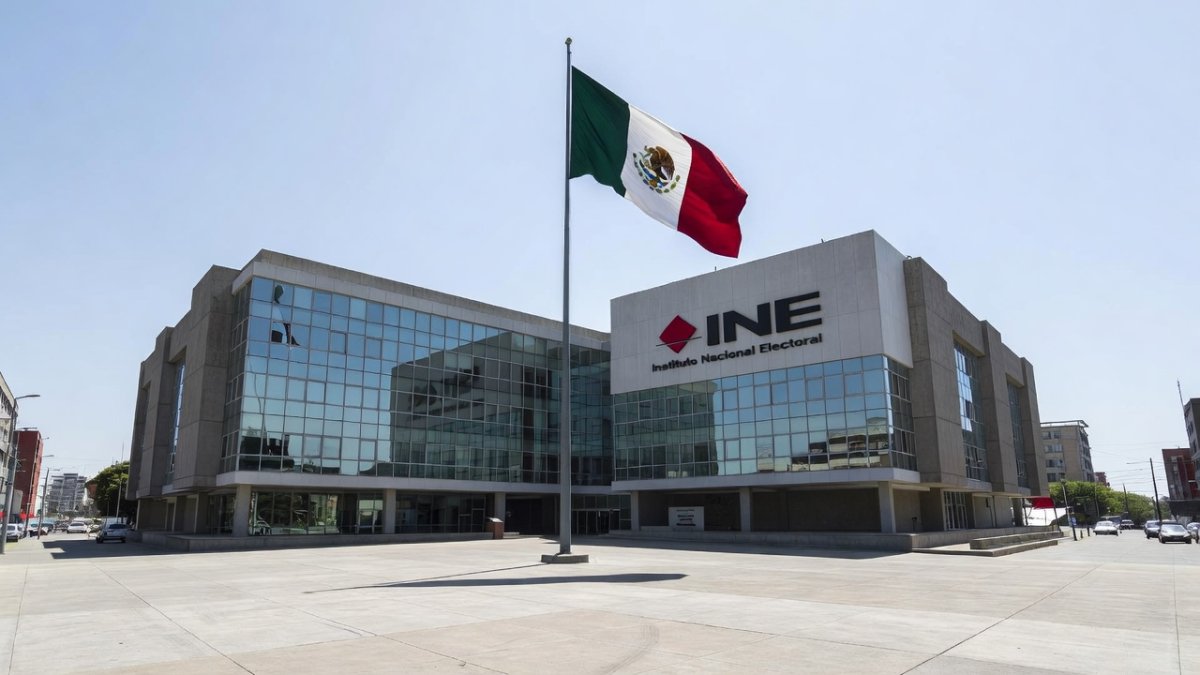
Fresh Political Choices for Mexican Voters in 2027
The arrival of Somos México and PAZ gives voters in rural ejidos and urban colonias more names on the ballot for the 2027 midterms. Many families have expressed fatigue with the same limited options they have seen in past elections. These new parties are beginning to connect with local groups that focus on economic pressures and security concerns.
Campaign organizers from both parties are already visiting neighborhoods to listen to residents about jobs, schools, and safety. The expanded landscape allows different community priorities to surface during local races. Families who once felt their voices stayed on the margins now see additional paths for participation.
In colonias where factory work and farming remain central, the new parties are discussing how trade reviews and tariffs affect daily life. Voters are weighing these economic realities alongside other issues that touch their households. The 2027 ballot will test how well these parties translate community concerns into concrete proposals.
Local leaders note that the presence of more parties can encourage greater turnout when families feel their specific needs are being addressed. The coming election cycle will show whether the new options strengthen connections between voters and their representatives. Communities across Mexico are watching how these parties build support in the months ahead.
Sheinbaum Administration Shows Measured Progress
The MND performance tracker placed the Sheinbaum administration at 64.8 out of 100 for May, an increase of 4.8 points from April. Inflation stood at 3.94 percent during the same period, while the decline in homicides continued to accelerate. Economic growth, however, remained the weakest area in the overall assessment.
Consultations on indigenous rights are moving forward with more than 16,000 communities across the country. These talks involve 25.8 million people who belong to 69 different groups. The administration plans to send the General Law on Indigenous and Afro-Mexican Peoples to Congress on October 12.
Residents in affected regions are following the consultations because the proposed law could shape how resources reach their towns and ejidos. The measured progress in other areas gives families some reassurance even as growth stays slow. Community organizations are preparing to review the draft law once it reaches lawmakers.
Local leaders emphasize that steady improvements in security and inflation help households manage daily expenses. At the same time, they continue to press for stronger job creation in the coming months. The October 12 deadline for the indigenous rights bill marks an important step that many communities have awaited.
Mexican Communities Face Challenges With Familiar Resilience
Mexico’s 2-0 victory over Ecuador on June 30 brought the first knockout-stage win in 40 years and drew more than one million people to Reforma. Four people died during the celebrations, and Mayor Brugada set a 25,000-person cap for future gatherings. The joy in the streets showed how national pride can lift spirits even during uncertain times.
Families balanced the excitement of the World Cup result with the need to stay safe in large crowds. Community members helped one another find space and water while watching the match on screens in plazas. The shared celebration reminded everyone of the strength that comes from coming together.
That same resilience appears in how border families are handling the trade reviews and new political options. Parents continue to plan for their children’s futures while they wait for clearer signals from the July 20 talks. The steady rhythm of daily life in colonias and ejidos carries forward despite the changes ahead.
Communities across Mexico keep their focus on what they can shape at home and in local gatherings. They draw on familiar traditions of mutual support as they navigate trade uncertainty, political shifts, and cultural moments like the World Cup. This steady approach has long helped families move through times of transition with hope and care.
By Rosa Martinez, Staff Writer
This article was produced with AI-assisted research and editorial support. Reporting is based on sources cited in the article.
What's Your Reaction?
 Like
0
Like
0
 Dislike
0
Dislike
0
 Love
0
Love
0
 Funny
0
Funny
0
 Wow
0
Wow
0
 Sad
0
Sad
0
 Angry
0
Angry
0

Latin America/Andes Correspondent at Global1.News. Based in Bogota, covering politics, environment, energy, and social movements across the Andean region. Passionate about environmental journalism and communities protecting their land.










Comments (0)