
Rocket Sirens Sound Across Central Israel as Dual-Front Attack Escalates
Rocket Sirens Silence Tel Aviv as Security Situation Escalates It's been a tense few hours across central Israel, and the data from Google Trends confirms what every Israeli already felt in their gut — the Home Front Command alert system is being searched at levels not seen since the major escalations of recent years. With over 1,000 searches surging in just a few hours, someth
Rocket Sirens Silence Tel Aviv as Security Situation Escalates
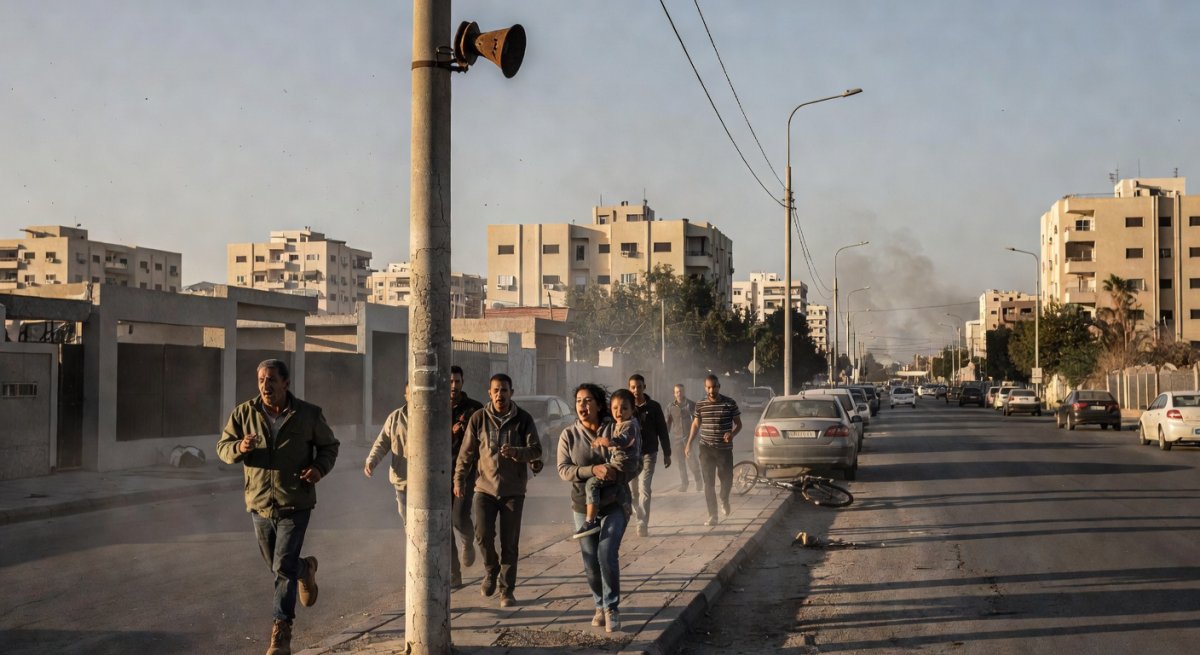
It's been a tense few hours across central Israel, and the data from Google Trends confirms what every Israeli already felt in their gut — the Home Front Command alert system is being searched at levels not seen since the major escalations of recent years. With over 1,000 searches surging in just a few hours, something serious is happening, and Israelis across the country are trying to figure out where the next siren will sound.
According to reports from Ynet, Haaretz, and Israel's Channel 12 News, multiple barrages of rockets were fired toward central Israel earlier today, triggering the red alert system across the Gush Dan region, including Tel Aviv, Holon, and Rishon LeZion. The Iron Dome missile defense system was activated, intercepting several projectiles, but shrapnel and falling debris have been reported in multiple locations.
Where the Rockets Came From
Initial assessments by the Israel Defense Forces, reported by Channel 13 and the Times of Israel, indicate that the launches originated from two separate fronts. Several projectiles were fired from the Gaza Strip, claimed by both Hamas and Palestinian Islamic Jihad in separate statements. But the larger — and more concerning — volley appears to have originated from southern Lebanon, where Hezbollah-aligned cells have been operating with increasing boldness in recent weeks.
This dual-front attack represents a significant escalation. Security analysts quoted in Haaretz and on Kan Reshet Bet radio note that simultaneous barrages from Gaza and Lebanon require the IDF to split its defensive attention, putting more strain on the Iron Dome and David's Sling systems. The last time Israel faced coordinated fire from both fronts was during the 2024 escalation, which lasted nearly a week and drew international calls for de-escalation.
Casualties and Damage So Far
Magen David Adom emergency services have confirmed at least eight civilians were treated for injuries — mostly from shrapnel and falls while rushing to shelters. One woman in Rishon LeZion is listed in moderate condition after a piece of intercepted missile debris struck her vehicle. Property damage has been reported in several neighborhoods, with Channel 12 showing footage of a smashed car in Bat Yam and a scorched playground in Ramat Gan.
The Home Front Command has issued updated safety guidelines for residents in the affected areas, including instructions to remain within 90 seconds of a protected space and to avoid gathering in open areas until further notice. Schools in several central cities have been dismissed early, and train services on parts of the coastal rail line were temporarily suspended for security checks.
International Response and Diplomatic Fallout
The United Nations Special Coordinator for the Middle East Peace Process has called for an immediate de-escalation, according to a statement reported by Reuters. The United States, through the State Department, reiterated its "ironclad commitment to Israel's security" while urging all parties to avoid further escalation. France and the United Kingdom also issued statements expressing concern about the widening conflict.
Meanwhile, Lebanon's caretaker government — still struggling with its own economic and political crises — has denied knowledge of the launches from southern Lebanon. Hezbollah has not officially claimed responsibility for the attacks, which Israeli intelligence sources cited by Ynet suggest may have been carried out by "splinter cells" operating without full organizational approval. But skeptics in the Israeli security establishment, speaking to Walla and Israel Hayom, argue that no rocket fire of this magnitude from southern Lebanon happens without at least tacit approval from Hezbollah's leadership.
What Happens Next
The security cabinet is reportedly convening tonight to discuss potential responses. Options on the table, according to Channel 13's military correspondent, include targeted strikes on launch sites in both Gaza and southern Lebanon, a broader operation in Gaza to degrade rocket-manufacturing capabilities, or a measured response focused on preventing Hezbollah-aligned cells from rebuilding their launch infrastructure.
For civilians, the calculus is simpler. The Home Front Command alert app has been downloaded thousands of times today. Shelters have been opened in public buildings across Tel Aviv, and citizens are being urged to stay vigilant. The IDF has recommended that residents within range of both fronts keep their phones charged, silence turned off, and emergency supplies ready.
This is a rapidly developing situation, and the coming hours will determine whether this is a one-day flare-up or the beginning of something much more serious. What's clear is that Israelis are on edge, the security establishment is on high alert, and the region is once again holding its breath.
Stay safe, stay informed, and keep the Home Front Command app open. We'll bring you updates as more information becomes available.
— Hannah Berg, Global 1 News
This article was produced with AI-assisted research and editorial support. Reporting is based on sources cited in the article.
What's Your Reaction?
 Like
0
Like
0
 Dislike
0
Dislike
0
 Love
0
Love
0
 Funny
0
Funny
0
 Wow
0
Wow
0
 Sad
0
Sad
0
 Angry
0
Angry
0

Israel Correspondent at Global1.News. Based in Tel Aviv, covering Israeli politics, security, technology, and society. Provides balanced, deeply-sourced reporting on one of the most closely-watched regions in the world.














Comments (0)