
Retail Spending Tumbles as Consumers Tighten Their Grip on Every Dollar
Retail Sales Plunge Beyond Expectations The Commerce Department reported on Friday that retail sales fell 1% in March from the prior month. That decline exceeded the 0.4% drop economists had forecast and marked a sharper contraction than the revised 0.2% decrease recorded in February. In real dollar terms, the shortfall translates to billions of dollars in forgone purchases acr
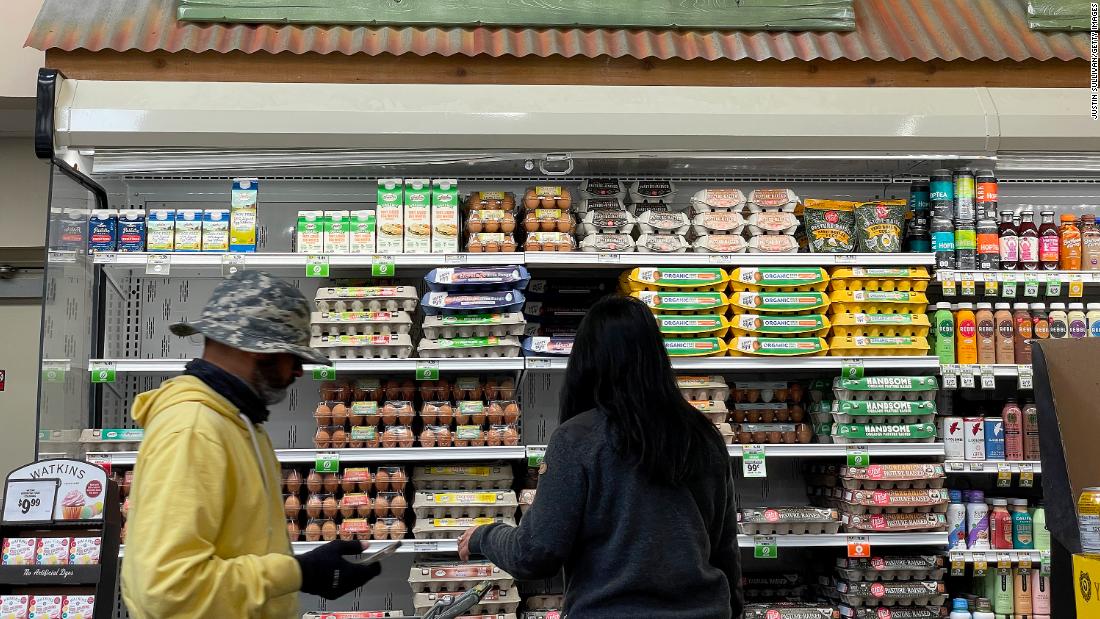
Retail Sales Plunge Beyond Expectations
The Commerce Department reported on Friday that retail sales fell 1% in March from the prior month. That decline exceeded the 0.4% drop economists had forecast and marked a sharper contraction than the revised 0.2% decrease recorded in February. In real dollar terms, the shortfall translates to billions of dollars in forgone purchases across stores nationwide, a direct hit to retailers already navigating higher costs and thinner margins.
General merchandise stores and gas stations absorbed the heaviest blows, with spending at general merchandise outlets dropping 3% and gas station sales plunging 5.5%. Even after stripping out volatile gas station figures, overall retail spending still retreated 0.6% month over month. These numbers reveal that the weakness was not confined to one sector but spread across everyday purchases that households make when they feel pressure on their wallets.
Year-over-year retail spending managed a 2.9% increase, yet that headline figure masks the abrupt monthly reversal. A single percentage point decline in March carries outsized weight because it arrives just as many families rely on tax refunds to restock wardrobes, replace appliances, or fill up vehicles. The data show consumers are already adjusting behavior before any official declaration of economic trouble.
Investors have attributed part of the shortfall to delayed tax refunds and growing unease about a cooling labor market. When households see less money flowing back from the IRS and hear daily warnings about potential job losses, they naturally reduce discretionary outlays. This 1% drop is therefore not an isolated statistic but an early warning that spending momentum has shifted.
Smaller Tax Refunds Hit Wallets Where It Hurts
The IRS issued $84 billion in tax refunds this March, roughly $25 billion less than the amount distributed in March of last year. That shortfall left many households with smaller checks than they had anticipated, directly reducing the cash available for spring purchases. BofA analysts noted that the timing could not have been worse for retailers counting on refund-fueled spending.
Aditya Bhave, senior US economist at BofA Global Research, observed that March is a critical month for refunds and that some consumers likely expected amounts similar to the prior year. When those expectations went unmet, spending at department stores and on durable goods pulled back sharply. Credit and debit card spending per household slowed to its weakest pace in more than two years, confirming that the refund gap translated into measurable restraint at the register.
Enhanced pandemic-era SNAP benefits also expired in February, removing another layer of support that had previously flowed into grocery and general merchandise aisles. The combination of smaller refunds and the end of those supplemental benefits created a double squeeze on lower- and middle-income budgets. Retailers felt the effect immediately in the March sales figures.
These developments underscore how sensitive consumer spending remains to even modest changes in take-home resources. When refunds shrink by $25 billion in a single month, the ripple reaches far beyond individual households and lands squarely on store ledgers and hiring plans. The data leave little doubt that wallets tightened quickly once the cash flow slowed.
Wage Growth Slows as the Labor Market Cools
Average hourly earnings rose 4.2% in March from a year earlier, the smallest annual increase since June 2021 and a step down from the 4.6% pace recorded previously. The Employment Cost Index has likewise shown moderating pay gains across both wages and benefits. These figures indicate that the rapid compensation growth of the past two years is losing steam even as prices remain elevated.
Employers added 236,000 jobs in March, a solid total by historical standards yet below the average monthly pace of the preceding six months. Job openings have fallen more than 17% from their peak of 12 million reached in March 2022. Revised data further revealed that weekly unemployment claims were higher than earlier estimates had suggested, painting a picture of a labor market that is still adding positions but at a noticeably slower clip.
The cooling in hiring and wage momentum matters because consumer spending depends heavily on steady income growth. When pay raises shrink and job openings decline, households gain less confidence to commit to big-ticket purchases. The March retail sales drop aligns with these labor-market signals, showing that workers are already sensing the shift.
Even robust job totals cannot offset the broader trend of diminishing momentum. A labor market that adds fewer positions each month and delivers smaller wage gains leaves less room for error in household budgets. The data confirm that the era of easy income growth has begun to fade, forcing consumers to stretch every dollar further.
The Banking Crisis and the Consumer Psyche
The collapses of Silicon Valley Bank and Signature Bank injected fresh uncertainty into an already cautious economic outlook. Despite those failures, consumer sentiment held steady in April according to University of Michigan surveys. That stability suggests households have not yet panicked, but the underlying data reveal rising concern about future costs.
Year-ahead inflation expectations jumped from 3.6% in March to 4.6% in April, driven in part by higher gas prices. Joanne Hsu, director of the surveys of consumers at the University of Michigan, noted that consumers did not perceive material changes in the economic environment in April. She added that consumers are expecting a downturn and are waiting for the other shoe to drop, even if they feel less dismal than they did last summer.
Federal Reserve economists had already projected that the US economy would enter a recession later this year. Those forecasts were formed before the bank failures, meaning the baseline outlook already incorporated subdued growth. The banking turmoil simply amplified existing worries rather than creating them from scratch.
Steady sentiment readings therefore mask a deeper wariness. Households are not celebrating resilience; they are conserving resources while they wait to see how the broader slowdown unfolds. The combination of banking stress and pre-existing recession forecasts has left consumers in a defensive posture that directly affects spending patterns.
What This Means for American Households
The pullback in retail spending reflects a rational response to smaller tax refunds, the expiration of enhanced SNAP benefits, and slower wage growth. Families are adjusting their budgets in real time rather than waiting for official confirmation of economic weakness. This front-running behavior shows up in reduced purchases at general merchandise stores and lower card spending across the board.
For individual households, the implications are immediate and practical. Budgets must now stretch further to cover the same essentials, prompting many to delay discretionary buys and increase savings where possible. Priorities shift toward necessities while non-essential categories absorb the cuts, a pattern visible in the March sales breakdown.
The cooling labor market adds another layer of caution. With fewer job openings and moderating pay gains, workers have less certainty about future income, reinforcing the decision to spend less today. This dynamic creates a self-reinforcing cycle in which reduced consumer outlays feed back into slower business hiring and investment.
American families are therefore acting on the data rather than the headlines. They see smaller refunds, higher expected inflation, and a softening job market, and they respond by tightening their grip on every dollar. That collective restraint is already reshaping the retail landscape and will continue to influence economic momentum in the months ahead.
The Bottom Line
The economy sits at a clear pivot point where consumer caution, labor-market moderation, and banking-sector stress converge. Retail sales, tax-refund data, wage figures, and sentiment surveys all point in the same direction: households are preparing for tougher conditions rather than assuming continued expansion. The 1% drop in March sales is the most visible symptom of that preparation.
Next, attention will turn to whether the labor market continues to cool, how inflation expectations evolve, and whether any additional fiscal support materializes. Policymakers and businesses alike will watch these indicators closely because consumer spending remains the primary engine of US growth. When that engine downshifts, the effects spread quickly through every sector.
The data leave no room for complacency. Smaller refunds, expired benefits, slower wage gains, and recession forecasts have already altered behavior on the ground. The coming months will reveal whether this restraint deepens into a broader downturn or stabilizes as households adjust to the new reality.
By Jessica Ali, Staff WriterThis article was produced with AI-assisted research and editorial support. Reporting is based on sources cited in the article.
What's Your Reaction?
 Like
0
Like
0
 Dislike
0
Dislike
0
 Love
0
Love
0
 Funny
0
Funny
0
 Wow
0
Wow
0
 Sad
0
Sad
0
 Angry
0
Angry
0

Editor-in-Chief at Global1.News. Atlanta-based journalist who cuts through the BS and tells it like it is. Lead anchor, host, and the voice you hear when the spin stops and the truth starts.















Comments (0)