
Retail Spending Fell in March as Consumers Pull Back – And It's Worse Than We Thought
Consumers pulled back on spending in March, with retail sales falling 1% from the prior month. (Global 1 News) The Hard Numbers Hit Home The Commerce Department delivered a clear message this week: American consumers are tightening their belts faster than forecasters predicted. Retail sales dropped 1 percent in March from the prior month, a steeper decline than the 0.4 percent
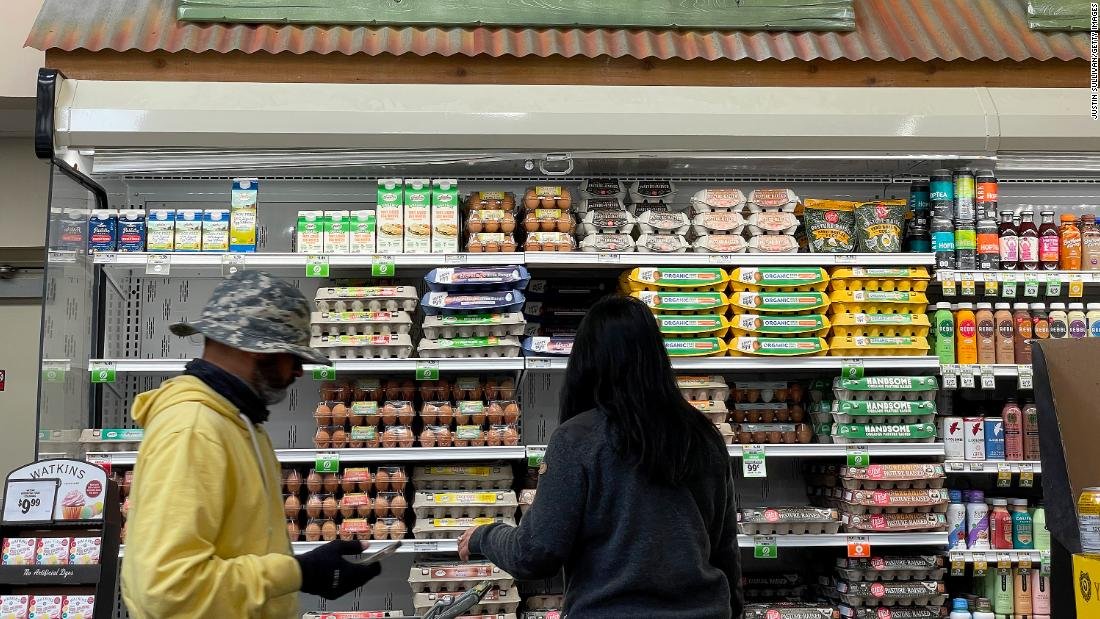
Consumers pulled back on spending in March, with retail sales falling 1% from the prior month. (Global 1 News)
The Hard Numbers Hit Home
The Commerce Department delivered a clear message this week: American consumers are tightening their belts faster than forecasters predicted. Retail sales dropped 1 percent in March from the prior month, a steeper decline than the 0.4 percent fall economists had penciled in. That gap between expectation and reality matters because it shows families are not just pausing—they are actively pulling back on purchases that keep local stores and supply chains running.
Year-over-year spending still managed a 2.9 percent gain, but that figure masks the monthly reality on the ground. When gas-station sales plunged 5.5 percent and general-merchandise outlets fell 3 percent, the picture sharpens. These are the places where working households buy everyday necessities, not luxury items. The retreat shows up in Atlanta parking lots and suburban strip centers just as clearly as it does in national aggregates.
Tax Refunds Failed to Deliver Their Usual Boost
Bank of America data revealed that the IRS sent out $84 billion in refunds during March—fully $25 billion less than the same month last year. That shortfall removed a reliable seasonal lift that normally flows straight into car repairs, school clothes, and home supplies. Aditya Bhave at BofA noted the slowdown in credit- and debit-card spending per household reached its weakest pace in more than two years, confirming that the missing refund dollars are not simply being saved; they are not being spent at all.
For households in Georgia and across the South, those refunds often cover the gap between paycheck and rising costs. When they shrink, the pressure lands immediately on grocery budgets and weekend errands. The data leaves little room for spin: consumers had less extra cash and chose to keep more of it rather than circulate it through the economy.
Jobs Keep Coming, Yet the Underlying Trend Is Slowing
Employers added 236,000 positions in March, a number that still looks solid on the surface. Average hourly earnings rose 4.2 percent over the past year—the smallest increase since June 2021. That combination tells a familiar story: hiring continues, but wage gains are losing steam while prices remain elevated. Michelle Meyer at Mastercard highlighted that the spending slowdown is broad-based, not confined to one region or income bracket.
Fed economists have already projected a recession later this year. The March jobs figure does not contradict that outlook; it simply shows the labor market is cooling rather than collapsing. For workers in logistics hubs around Atlanta or manufacturing corridors in the Southeast, the message is practical: overtime may shrink before head counts do.
Inflation Expectations Jumped, Sentiment Held Steady
University of Michigan data showed consumer sentiment remained largely unchanged, yet one-year inflation expectations surged from 3.6 percent to 4.6 percent. Joanne Hsu, who directs the survey, captured the disconnect: people are not panicking, but they are bracing for higher costs ahead. That shift matters because expectations can become self-fulfilling when households decide to delay big purchases.
Excluding gas, overall retail spending still fell 0.6 percent. The pullback is not merely a reaction to pump prices; it reflects broader caution about what comes next. Southern consumers, who often drive longer distances for work and family, feel the combined weight of fuel, groceries, and insurance more acutely than national averages suggest.
What Families Should Watch Next
The next retail-sales release and the April jobs report will reveal whether March was an outlier or the start of a sustained downturn. Watch gas-station and general-merchandise categories closely; they serve as early indicators of household cash flow. Also track whether wage growth continues to moderate while inflation expectations remain elevated—those two trends together squeeze real purchasing power.
This is not abstract data. It shows up in smaller Easter baskets, postponed car maintenance, and fewer trips to the outlets. Policymakers and businesses that dismiss the March drop as temporary will be surprised when the slowdown feeds into hiring plans and local tax revenue. The warning signs are already visible in the numbers; ignoring them will not make them disappear.
By Jessica Ali, Staff WriterThis article was produced with AI-assisted research and editorial support. Reporting is based on sources cited in the article.
What's Your Reaction?
 Like
0
Like
0
 Dislike
0
Dislike
0
 Love
0
Love
0
 Funny
0
Funny
0
 Wow
0
Wow
0
 Sad
0
Sad
0
 Angry
0
Angry
0

Editor-in-Chief at Global1.News. Atlanta-based journalist who cuts through the BS and tells it like it is. Lead anchor, host, and the voice you hear when the spin stops and the truth starts.















Comments (0)