
Puerto Rican Danza Shines Under the Stars in Mayaguez
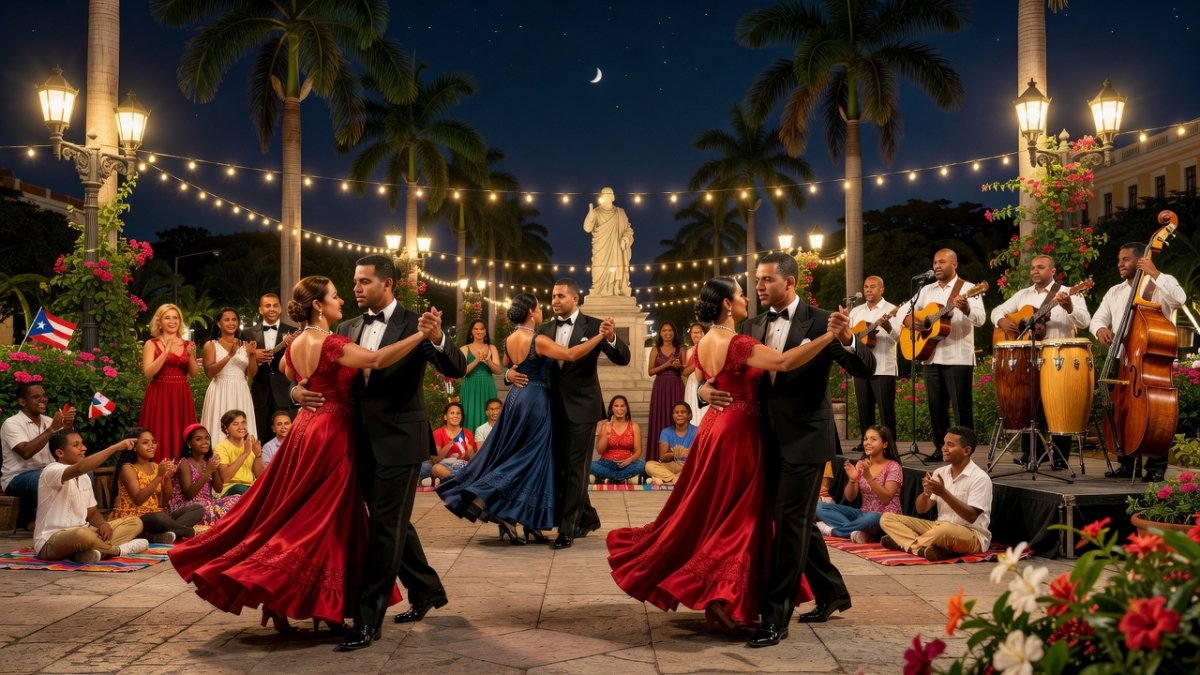
The soft glow of string lights and the sound of danza music filled the evening air in Mayagüez this week as Puerto Rico celebrated one of its most cherished cultural traditions under the Caribbean sky. Danza Puertorriqueña Bajo Las Estrellas, an open-air celebration organised by the Instituto de Cultura Puertorriqueña (ICP), the Municipio Autónomo de Mayagüez and the Fundación
The soft glow of string lights and the sound of danza music filled the evening air in Mayagüez this week as Puerto Rico celebrated one of its most cherished cultural traditions under the Caribbean sky. Danza Puertorriqueña Bajo Las Estrellas, an open-air celebration organised by the Instituto de Cultura Puertorriqueña (ICP), the Municipio Autónomo de Mayagüez and the Fundación para las Artes Musicales de Mayagüez, brought families, dancers and music lovers together for an unforgettable night of classical Puerto Rican dance. One Caribbean Television captured the full programme, sharing the elegance and community spirit of the evening with audiences across Trinidad and Tobago, the wider Caribbean and the diaspora beyond.
In true Caribbean style the night felt like a large family lime. Children sat on blankets while elders tapped their feet, and the music flowed without hurry. The event reminded many of how our own cultural expressions in Trinidad and Tobago, from parang to the rhythms of the steelband, keep communities rooted even as the world changes around us.
Puerto Rican Danza Shines Under the Stars in Mayagüez
Mayagüez, Puerto Rico – This Week — The warmth of Caribbean community spirit was on full display as Puerto Rico's beloved danza tradition took centre stage in an open-air celebration.
Puerto Rican Danza: A Cultural Treasure
The Puerto Rican danza emerged in the nineteenth century as a refined expression of island identity, blending European ballroom traditions with the rhythmic vitality of African heritage. Originating in the salons of San Juan and Ponce, it drew from the contradanza and habanera, yet local composers infused it with syncopated accents and melodic warmth that spoke directly to the Puerto Rican soul. Figures such as Juan Morel Campos elevated the form, crafting pieces that moved gracefully between stately promenade and lively merengue sections, creating a structure that remains instantly recognisable today.
Over time the danza became recognised as Puerto Rico's classical art form, performed by orchestras and small ensembles alike. Its music carries both elegance and nostalgia, while the dance itself demands precise footwork and courteous partnering that reflect the island's layered history. African influences appear in the subtle hip movements and call-and-response patterns, balanced by the formal posture inherited from European courts. This synthesis mirrors the broader Caribbean experience of cultural fusion under colonial conditions.
Today the danza stands as living heritage, taught in conservatories and celebrated at community gatherings. Its preservation reminds us that classical traditions need not be imported; they can arise from the very soil of the Caribbean, carrying stories of resilience, love and national pride across generations.
Mayagüez and the West Coast Cultural Scene
Mayagüez has long served as the cultural heart of Puerto Rico's west coast, a city where theatre, music and education intersect under the gentle trade winds. Its historic venues, including the restored Teatro Yagüez, host everything from symphony concerts to intimate danza recitals, offering spaces that honour both grand tradition and neighbourhood creativity. The presence of the University of Puerto Rico at Mayagüez further enriches the scene, drawing students and scholars who experiment with new interpretations while respecting classical roots.
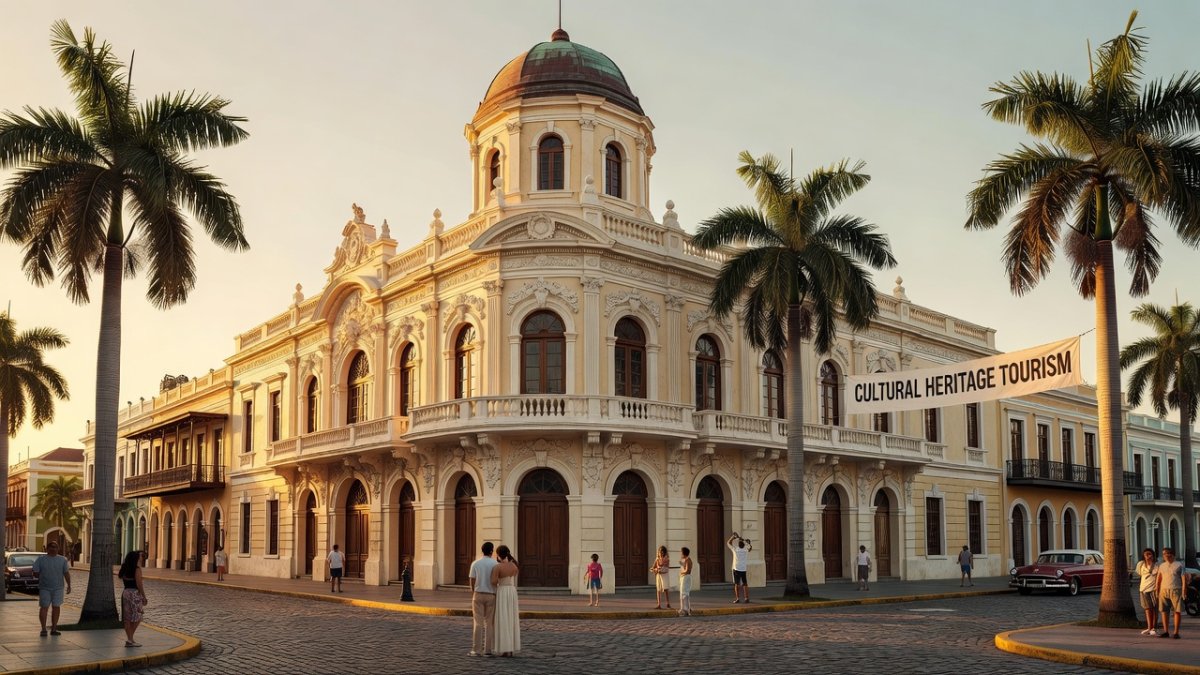
The city's location facing the Mona Passage has shaped a distinct west-coast identity, more relaxed than the capital yet deeply connected to maritime trade routes that once carried music and dance across the Caribbean. Cultural tourism thrives here because visitors encounter authentic programming rather than staged spectacles. Walking tours often pause at plazas where impromptu danza circles form, allowing travellers to witness the living tradition in its natural setting.
Local restaurants and guesthouses benefit from this steady flow of culture seekers, creating an economy rooted in heritage rather than fleeting trends. For communities across the Caribbean, Mayagüez demonstrates how a regional centre can nurture artistic excellence while remaining welcoming to families and visitors alike.
Institutional Support for the Arts
The Instituto de Cultura Puertorriqueña plays a central role in safeguarding Puerto Rico's artistic legacy, coordinating funding, training and public programming that reaches every corner of the island. Working alongside the Municipio Autónomo de Mayagüez and the Fundación para las Artes Musicales de Mayagüez, the ICP ensures that events such as Danza Puertorriqueña Bajo Las Estrellas receive the resources needed to flourish. These partnerships reflect a Caribbean model of cultural stewardship in which government, municipality and private foundations share responsibility.
Support extends beyond single evenings to year-round education initiatives, instrument repair programmes and archival projects that document historic scores. By maintaining these structures, institutions protect the danza from becoming a museum piece and keep it vibrant within daily life. Similar bodies across the region, from Trinidad's National Trust to Barbados's Cultural Foundation, pursue parallel missions, proving that sustained public investment yields lasting community pride.
Collaboration between these entities also facilitates exchanges, allowing dancers and musicians to travel and share techniques. Such networks strengthen the wider Caribbean cultural fabric, reminding us that heritage thrives when institutions act as facilitators rather than gatekeepers.
Cultural Tourism: A Caribbean Economic Driver
Cultural events like the Mayagüez danza celebration generate meaningful economic activity while reinforcing regional identity. Visitors arrive not only for the performance but for the surrounding atmosphere of food stalls, artisan markets and late-night conversations under string lights. This pattern repeats across the Caribbean: Trinidad's Carnival, Barbados's Crop Over and Jamaica's Reggae Sumfest each draw thousands who spend on lodging, transport and local crafts, supporting small businesses long after the final note fades.
In the post-pandemic period such festivals have proven especially valuable. They attract travellers seeking meaningful connection rather than mass tourism, offering safer, open-air experiences that align with new health preferences. Caribbean governments now recognise that investing in cultural infrastructure yields returns beyond ticket sales, including job creation in hospitality and the preservation of intangible skills.
For Trinidad and Tobago the lesson is clear. Our own festivals already demonstrate this power; expanding partnerships with events like the ICP's danza nights can open new routes for cultural exchange and mutual economic benefit across the sea.
Community Engagement and Intergenerational Connection
Evenings such as Danza Puertorriqueña Bajo Las Estrellas succeed because they invite every generation onto the same dance floor. Grandparents demonstrate the formal steps they learned in their youth, while children watch and then attempt the patterns themselves, guided by patient elders. This natural transmission keeps the tradition alive far more effectively than classroom instruction alone.
Young people discover that danza offers both discipline and joy, a way to honour ancestors while expressing contemporary creativity. Families arrive together, sharing snacks and stories between pieces, strengthening bonds that extend beyond the evening. In Trinidad we see similar patterns during our own cultural celebrations, where children learn parang or calypso rhythms from parents and grandparents in community spaces.
The presence of open-air settings lowers barriers, allowing working families to participate without expensive tickets or formal attire. Such accessibility ensures that cultural knowledge passes smoothly from one generation to the next, building resilient communities that value their shared heritage as a living gift rather than a distant memory.
One Caribbean Television: Connecting the Region
One Caribbean Television's decision to broadcast the full Mayagüez programme extends the reach of Puerto Rican culture far beyond the island's shores. Families in Trinidad and Tobago, Grenada and the diaspora in New York or London can experience the elegance of the evening in real time, fostering a sense of shared Caribbean identity that transcends national borders.
The coverage captures not only the music and dance but the warm interactions among neighbours, the laughter of children and the quiet pride of organisers. These human details matter; they transform a local event into a regional conversation about heritage and belonging. For viewers unable to travel, the broadcast provides a vital link, sustaining emotional ties to traditions that might otherwise feel distant.
By highlighting such programmes, One Caribbean Television performs quiet but essential work, knitting the archipelago together through images and sound. Its role grows more important each year as migration scatters Caribbean families across the globe.
Looking Ahead: Preserving Caribbean Heritage for Future Generations
The future of Caribbean heritage depends on continued commitment from institutions, families and media partners. Events like the Mayagüez danza celebration show what is possible when communities gather intentionally to honour their roots. For Trinidad and Tobago the challenge lies in adapting similar models to our own traditions while learning from neighbours across the sea.
Digital archives, school curricula and regional television all have parts to play. Yet the heart of preservation remains the living encounter between generations on a dance floor or in a community square. As climate pressures and economic shifts test our islands, cultural continuity offers both comfort and strength.
By supporting these gatherings we invest in the stories our children will carry forward, ensuring that the Caribbean's rich artistic legacy continues to illuminate evenings under our shared skies.
The Mayagüez evening reminds every Caribbean family that our traditions are not relics but living bridges, linking past resilience with future possibility across the waters that unite us all.
By Sharon Sahatoo, Staff Writer
This article was produced with AI-assisted research and editorial support. Reporting is based on sources cited in the article.
What's Your Reaction?
 Like
0
Like
0
 Dislike
0
Dislike
0
 Love
0
Love
0
 Funny
0
Funny
0
 Wow
0
Wow
0
 Sad
0
Sad
0
 Angry
0
Angry
0

Caribbean Correspondent at Global1.News. Based in Port of Spain, Trinidad, covering Caribbean politics, economy, energy, climate, and culture. Amplifying the voices and stories of the Caribbean region.













Comments (0)