
Palestine's supreme judge: Israeli bill to restrict Muslim call to prayer an attack on freedom of worship
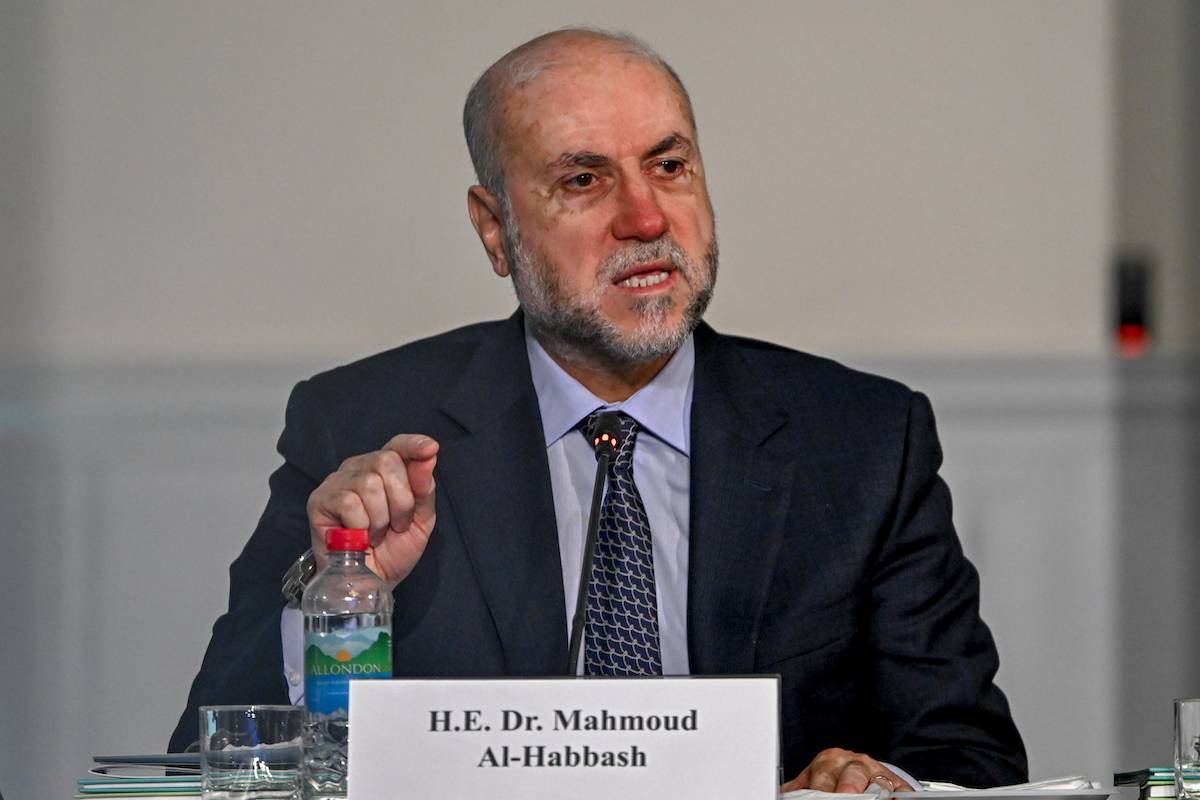
Condemnation from Palestinian Leadership Mahmoud Al-Habbash, Supreme Judge of Palestine and Presidential Adviser for Religious Affairs and Islamic Relations, described the Israeli draft bill as a direct assault on Muslims and the Islamic faith. His statement on Monday highlighted how the measure targets the adhan, the Muslim call to prayer, in Jerusalem and among Palestinian co
Condemnation from Palestinian Leadership
Mahmoud Al-Habbash, Supreme Judge of Palestine and Presidential Adviser for Religious Affairs and Islamic Relations, described the Israeli draft bill as a direct assault on Muslims and the Islamic faith. His statement on Monday highlighted how the measure targets the adhan, the Muslim call to prayer, in Jerusalem and among Palestinian communities inside Israel.
Mechanics of the Proposed Restrictions
The bill, advanced on Sunday by Israel's Ministerial Committee for Legislation and submitted by the far-right Otzma Yehudit party under National Security Minister Itamar Ben-Gvir, requires mosques to obtain licenses for sound systems. Licenses would depend on assessments of noise levels and proximity to residential areas, with police empowered to halt calls to prayer immediately upon violations.
Effects on Daily Religious Life
In Palestinian towns and villages, the adhan structures the rhythm of the day, guiding prayer times and fostering community bonds. Restrictions risk silencing these calls in neighborhoods near holy sites, disrupting routines that have sustained families across generations amid ongoing occupation.
Human Rights and Religious Freedom Concerns
This legislation raises serious questions about freedom of worship under international standards, as it singles out Islamic practices while potentially extending control over access to Al-Aqsa Mosque and other sacred locations. Al-Habbash framed the move as rising to the level of a declaration of religious war, underscoring threats to Palestinian identity and spiritual expression.
Regional Context and Future Implications
Palestinian communities face mounting pressures on cultural and religious expression amid broader political tensions. Such policies could deepen divisions, affecting not only worship but also social cohesion in areas where daily life already contends with movement restrictions and settlement expansion.
This article was produced with AI-assisted research and editorial support. Reporting is based on sources cited in the article.
What's Your Reaction?
 Like
0
Like
0
 Dislike
0
Dislike
0
 Love
0
Love
0
 Funny
0
Funny
0
 Wow
0
Wow
0
 Sad
0
Sad
0
 Angry
0
Angry
0

Gulf/MENA Correspondent at Global1.News. Based in Doha, covering Gulf politics, energy markets, diplomacy, and development across the Middle East and North Africa. Tracks the economic transformation of the Gulf states.











Comments (0)