
Happy but homesick, OFWs wait for a better Philippines before returning
Happy but homesick, OFWs wait for a better Philippines before returning A Filipino worker abroad carries both happiness and homesickness, according to a new BCG survey. (Global 1 News) The Emotional Complexity Facing Filipino Workers Abroad The survey conducted by Boston Consulting Group in February 2026 captured the layered feelings that define daily life for many overseas Fil
Happy but homesick, OFWs wait for a better Philippines before returning
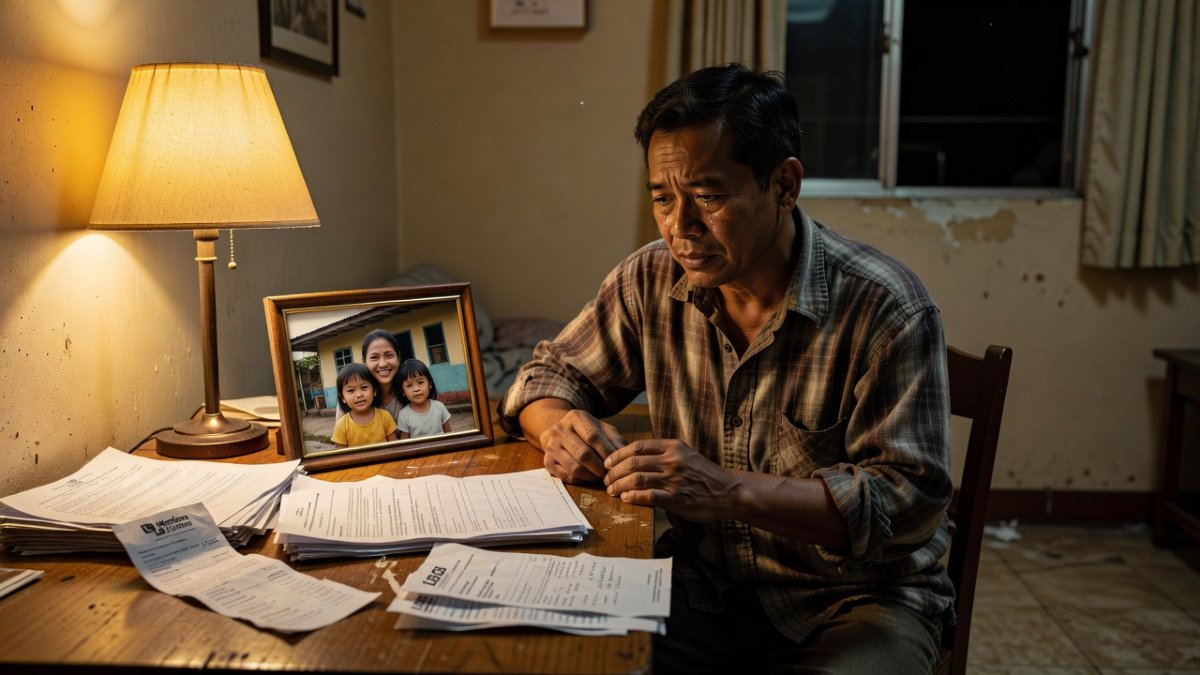
A Filipino worker abroad carries both happiness and homesickness, according to a new BCG survey. (Global 1 News)
The Emotional Complexity Facing Filipino Workers Abroad
The survey conducted by Boston Consulting Group in February 2026 captured the layered feelings that define daily life for many overseas Filipino workers. With 47 percent reporting happiness in their current circumstances and 43 percent acknowledging homesickness at the same time, the data reveals an inner conflict that shapes every decision about the future. This mix of emotions does not point to a simple choice between staying and leaving.
Filipino families across the archipelago understand this tension well. One in 14 households relies on an OFW for support, and the emotional weight reaches every barangay where children grow up with one parent absent. The report notes that return is never only a rational calculation but also a feeling about whether the Philippines can hold what the OFW has become after years away.
Communities often celebrate the sacrifices of these workers during fiestas and Pasko gatherings, yet the quiet longing remains. The emotional texture described in the BCG findings shows why many OFWs hesitate even when their hearts pull them toward home. They carry both gratitude for opportunities abroad and a deep yearning for the familiar rhythms of life in the Philippines.
Scale of the OFW Population and Its Place in National Life
Philippine Statistics Authority figures show 2.19 million OFWs recorded in 2024, the highest number in five years. If this group formed its own province, it would rank eighth in population size, underscoring how central these workers remain to the country's social and economic fabric. Their absence and their remittances shape entire regions from Luzon to Mindanao.
Local government units and barangay captains witness the daily effects when families adjust to missing members. Schools, tricycle routes, and sari-sari stores all feel the ripple when one household member works thousands of miles away. The BCG report places this population in clear perspective, reminding readers that OFWs are not abstract statistics but neighbors whose choices influence community stability.
The human scale becomes clearer when considering how many children attend classes supported by funds sent from abroad. The report connects these numbers to the broader reality that migration decisions affect not only individuals but entire networks of kapitbahay who share both the benefits and the absences.
Why Many Workers First Tried to Stay in the Philippines
The BCG findings make clear that working abroad was rarely the first preference. Only 17 percent of OFWs were certain about leaving when they began exploring options. Instead, 32 percent considered continuing in the same local job, while 27 percent looked into starting a small business and others searched for work in different provinces or cities.
These attempts reflect the bayanihan spirit that encourages families to exhaust every possibility at home before separation. When local alternatives proved too slow or uncertain, migration became the remaining path. The report emphasizes that this sequence matters because it shows workers did not choose distance lightly.
Ordinary Filipino households often discuss these choices around the dinner table, weighing the comfort of staying near relatives against the need for steady income. The data illustrates how many OFWs exhausted local options first, turning to overseas work only when circumstances left few other routes open.
Financial Goals That Shape Every Migration Decision
Expected salary stood as the top consideration for 76 percent of OFWs when deciding to work abroad. This priority aligns directly with the aspiration expressed by 57 percent who hope to build a large savings fund. Higher income potential drove 69 percent of respondents, while one in three cited the lack of local job opportunities as the force that pushed them outward.
These motivations connect to the daily realities of families managing household budgets in the Philippines. Remittances often cover school fees, medical needs, and small improvements to homes in the barangay. The report shows that financial targets remain central even as emotional ties pull workers in the opposite direction.
Jeepney drivers and farmers in many provinces recognize the same pressures that lead neighbors to seek work overseas. The BCG analysis frames migration as a response to conditions at home rather than a preference for life abroad, highlighting how salary expectations reflect deeper structural gaps.
The Large Share of OFWs Still Undecided About Returning
More than half of surveyed OFWs, or 56 percent, remain undecided about moving back to the Philippines. Only one in five expressed certainty about returning home. The report notes that this uncertainty stems from both emotional factors and practical concerns about what awaits them upon arrival.
Communities across the country see this hesitation play out when OFWs extend contracts year after year. Families plan around possible returns during holidays, yet the lack of clear signals keeps everyone in a state of waiting. The emotional complexity of happiness mixed with homesickness contributes to this prolonged indecision.
The findings suggest that return is not simply a matter of personal readiness. It involves confidence that the systems at home can support the life an OFW has built abroad. Until that confidence grows, many workers continue to weigh options from a distance.
Practical Barriers That Delay Even Committed Returns
Among those likely to return, 81 percent are still waiting to reach a financial or savings goal, while 52 percent want a child to finish school first. These concrete milestones illustrate why even workers who feel strong ties to the Philippines postpone their homecoming.
Family emergencies and financial crises rank high among worries, with 58 percent citing such risks. Another 60 percent express concern about the difficulty of landing a job upon return. These figures show that decisions hinge on stability rather than sentiment alone.
The report connects these barriers to the lived experience of Filipino families who have seen relatives build savings over many years only to face sudden setbacks. Safety and future security also weigh heavily, with 56 percent voicing concerns about conditions in the Philippines. Such factors keep return timelines extended.
Waiting for a Philippines Ready to Welcome Its Workers Back
The BCG report concludes that emotional complexity alone does not drive returns. Instead, many OFWs wait for a Philippines that offers reliable jobs, protection against emergencies that could erase years of savings, and systems that make coming home feel like progress rather than retreat. This perspective centers the needs of real communities.
Department of Education data and local experiences show how school completion remains a key anchor for families. When parents abroad time their return around a child's graduation, they demonstrate how deeply intertwined personal milestones are with national conditions. The report underscores that these are not abstract hopes but practical requirements.
Workers also seek assurance that medical needs or sudden crises will not undo what took a decade to build. The findings highlight that confidence in local opportunities and safety forms the missing piece for many who otherwise feel both happy abroad and homesick for home.
Looking Ahead to Conditions That Could Encourage Returns
The survey data points to clear areas where improvements at home could shift decisions. When 51 percent of OFWs note better job offers outside the country as a factor, the contrast with local prospects becomes evident. Addressing job availability and security would directly respond to the concerns raised by respondents.
Filipino families continue to balance pride in the contributions of OFWs with the desire to have loved ones closer. The report frames the current situation as one where workers are waiting for structural readiness rather than simply feeling emotionally prepared. This distinction matters for policy discussions in Congress and the Senate.
Ultimately, the BCG findings remind readers that the 2.19 million OFWs represent millions more family members whose daily lives depend on these choices. Creating conditions that build confidence in jobs, schools, and safety could allow more workers to consider returning without fearing the loss of everything they have worked to secure.
By Bella Reyes, Staff WriterThis article was produced with AI-assisted research and editorial support. Reporting is based on sources cited in the article.
What's Your Reaction?
 Like
0
Like
0
 Dislike
0
Dislike
0
 Love
0
Love
0
 Funny
0
Funny
0
 Wow
0
Wow
0
 Sad
0
Sad
0
 Angry
0
Angry
0

Philippines/Southeast Asia Correspondent at Global1.News. Manila-based journalist covering Philippine politics, environment, maritime security, and social issues. Passionate about marine conservation and the communities protecting the Philippines' natural heritage.











Comments (0)