
Netflix's The Polygamist: South African Hit Goes Global
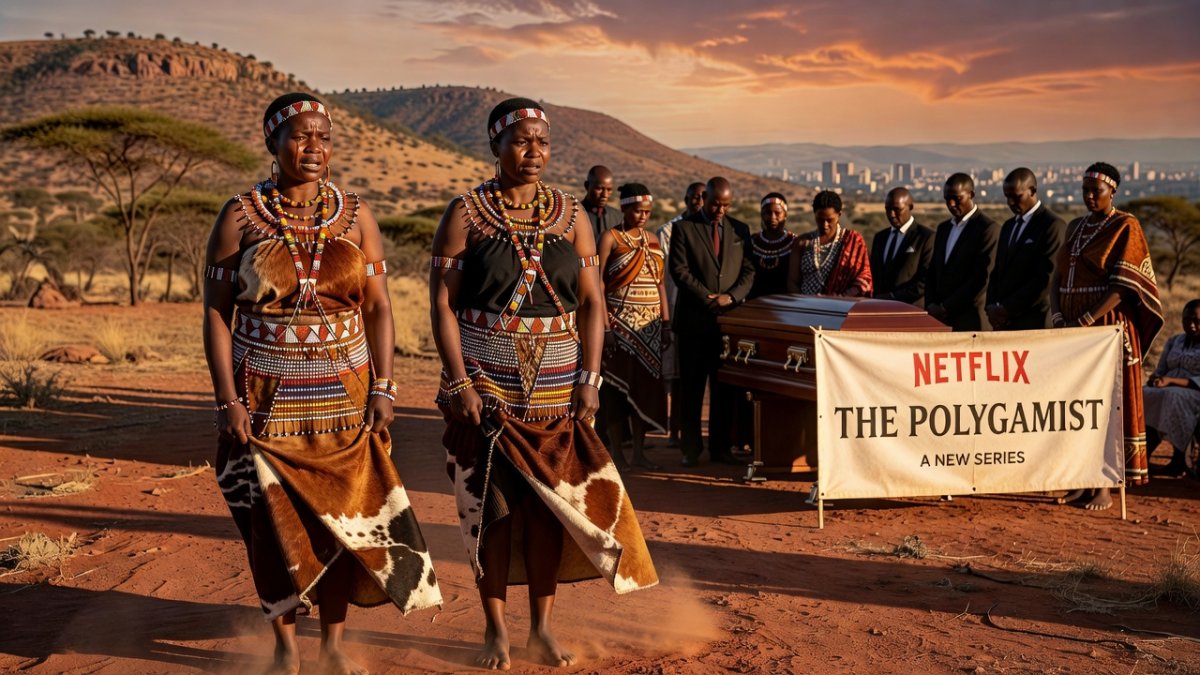
A Funeral Opens the Story The series opens at the funeral of wealthy Johannesburg businessman Jonasi Gomora. Two of his wives stand as chief mourners, with Joyce, a social media influencer dressed in a striking white outfit, drawing immediate attention. Viewers quickly learn she is not his only partner, and the revelation sets off an explosion of emotions among family members g
A Funeral Opens the Story
The series opens at the funeral of wealthy Johannesburg businessman Jonasi Gomora. Two of his wives stand as chief mourners, with Joyce, a social media influencer dressed in a striking white outfit, drawing immediate attention. Viewers quickly learn she is not his only partner, and the revelation sets off an explosion of emotions among family members gathered at the service. This dramatic beginning pulls audiences straight into the tangled relationships that define the story.
(Global 1 News)
The Polygamist is a 22-episode Zulu-language Netflix series adapted from the 2012 novel by Zimbabwean author Sue Nyathi. The narrative structure moves from the funeral back five years to trace how the relationships formed and how toxic family dynamics developed over time. The flashback approach allows the show to reveal secrets gradually while grounding the drama in everyday realities of love, ambition and betrayal.
African funerals carry deep cultural weight across the continent, serving as moments when hidden truths often surface. By starting here, the series taps into that lived experience. Audiences in South Africa and beyond recognize the tension between public mourning and private pain. The opening works because it mirrors real community gatherings where grief mixes with gossip, judgment and unresolved conflicts. This structure keeps viewers invested across the long season as each layer of Jonasi’s life unfolds with emotional honesty.
From Local Production to Global Sensation
Released on 12 June, The Polygamist quickly topped Netflix trend lists across multiple regions. Within hours of launch, social media platforms filled with reactions to the plot twists, memes about Jonasi’s choices and personal stories shared by viewers reflecting on their own experiences with polygamy and infidelity. The conversation spread rapidly from Johannesburg to other cities, turning the series into a shared cultural reference point.
In Kenya’s capital Nairobi, some matatu taxis were redecorated with Jonasi’s face or name, showing how deeply the character resonated with commuters who discuss episodes during long rides. Nigerian Afrobeats star Davido tweeted “Yo JONASI is WILD,” adding his voice to the growing chorus. Hollywood figures also joined in: Emmy-award winning host Sherri Shepherd posted on Instagram that she thought Crazy Rich Asians was something, but crazy rich Africans reached another level. Taraji P. Henson replied that the show had her in a chokehold and she binged the entire season in one day.
The audience spans South Africa, Kenya, Nigeria, the United States and the United Kingdom. A Zulu-language production reaching these diverse groups demonstrates the power of authentic storytelling that travels without losing its cultural core. Viewers connect with the universal themes of trust and family even when the dialogue remains in Zulu, often watched with subtitles that preserve the original rhythm and expressions.
Polygamy Through an African Lens
Polygamy remains a living tradition in South Africa and many other African countries, particularly within Zulu communities where it carries historical and social meaning. The practice is often tied to ideas of family expansion, economic support and cultural continuity. At the same time, modern expectations around emotional fidelity, women’s autonomy and individual choice create ongoing tensions that the series explores with care.
The show presents both respect for the tradition and the real strains it places on relationships. Joyce’s perspective as an influencer highlights how public image and private pain intersect when multiple partners are involved. Other characters reveal the emotional labour required to maintain harmony within such households. These portrayals avoid simple judgment and instead show the daily negotiations that families navigate.
Across the continent, conversations about marriage increasingly include questions of faithfulness and fairness. In Senegal, where I come from, similar discussions arise around extended family structures and the balance between heritage and contemporary values. The Polygamist contributes to this wider dialogue by giving space to women’s voices and showing how economic power influences romantic decisions. The result is a story that feels rooted in African realities while inviting reflection on how traditions evolve with each generation.
Behind the Scenes: The Zuma Connection
Executive producers Gugu Zuma-Ncube and Thuli Zuma, daughters of former South African president Jacob Zuma, brought personal insight to the project through their production company Stained Glass TV. Their father, now 84, has four wives, has been married six times and is estimated to have 20 children. He remains respected by many supporters for upholding Zulu cultural practices. Gugu Zuma-Ncube has spoken about growing up in a polygamist family and how that background shaped the storytelling.
The sisters’ parents divorced in 1998 after 16 years of marriage, and another half-sibling also contributed as a writer. These experiences informed the series’ focus on complex family dynamics and the challenges women face within such arrangements. Stained Glass TV collaborated with Netflix to adapt Sue Nyathi’s novel, giving South African creators control over how the story reached screens.
This partnership reflects a growing trend where local production companies secure international platforms for African narratives. The involvement of the Zuma family adds authenticity while raising questions about how personal history influences creative decisions. For viewers, the result is a series that feels lived-in rather than observed from outside, with details of Johannesburg life and Zulu cultural expressions rendered naturally.
A Continent Watching Together
The Polygamist has created a shared viewing experience across African borders. In South Africa, pride runs high that a Zulu-language story produced locally has captured global attention. Kenyans have embraced the character Jonasi through everyday culture, with matatu taxis turning him into a recognizable figure on Nairobi streets. Nigerian audiences responded enthusiastically, amplified by Davido’s public endorsement that helped the show reach even wider circles.
This cross-border moment highlights how entertainment can foster connection among diverse African communities. People in different countries discuss the same plot points, compare family situations and debate the merits of polygamy in today’s world. Streaming platforms play a central role by making episodes available simultaneously, reducing the usual delays that once separated audiences.
The series demonstrates that stories told in African languages can travel when they address themes that resonate universally. Viewers in Senegal, Ghana and beyond recognize echoes of their own social realities even when the setting is Johannesburg. The shared conversation strengthens a sense of continental identity while celebrating the specific Zulu cultural elements that give the show its distinctive flavour.
What This Means for African Storytelling
The success of The Polygamist signals a shift in how African stories reach the world. Creators from the continent are now telling their own narratives in their own languages, moving beyond Western-produced accounts that often filtered African experiences through external lenses. This change opens doors for other productions in languages such as Wolof, Swahili and Yoruba to find similar platforms.
For content creators in Senegal, Nigeria, Ghana and Kenya, the show offers encouragement that local stories can achieve commercial success without compromising cultural specificity. The economics of streaming reward productions that attract broad viewership, and The Polygamist proves that Zulu dialogue paired with strong character work can deliver both. Production companies like Stained Glass TV demonstrate how regional expertise can partner with global services to scale up.
Young filmmakers across Africa are watching these developments closely. The series shows that investment in quality writing, local casting and authentic settings pays off when stories reflect real community concerns. Future projects may explore similar themes of family, tradition and modernity, building on the foundation this show has laid for sustained African representation in global entertainment.
The Bottom Line: Representation Meets Entertainment
The Polygamist stands as a cultural moment where unapologetically Zulu storytelling meets universal appeal. The series remains rooted in Johannesburg life, Zulu traditions and the specific dynamics of one family, yet viewers far from South Africa find themselves drawn into the drama. This balance shows that authenticity does not limit reach when the human emotions at the centre are portrayed with honesty.
Global entertainment is changing as platforms prioritize content that reflects diverse realities. African audiences now see their languages, cities and customs on screen without translation into foreign idioms. The conversations sparked by the show, from Nairobi taxis to social media threads in multiple countries, prove that people want stories that feel familiar while offering fresh perspectives.
By centering African voices and experiences, The Polygamist contributes to a richer global media landscape. It reminds viewers everywhere that compelling drama can emerge from any community when creators are given the resources and freedom to tell their truths. The series leaves audiences reflecting on love, loyalty and the weight of tradition long after the final episode ends.
By Amara Diop, Staff WriterThis article was produced with AI-assisted research and editorial support. Reporting is based on sources cited in the article.
What's Your Reaction?
 Like
0
Like
0
 Dislike
0
Dislike
0
 Love
0
Love
0
 Funny
0
Funny
0
 Wow
0
Wow
0
 Sad
0
Sad
0
 Angry
0
Angry
0

Canada Correspondent at Global1.News. Based in Toronto, covering Canadian politics, energy, trade, and US-Canada relations. Provides the Canadian perspective on North American and global affairs.













Comments (0)