
Netanyahu Sidelined as US-Iran Understanding Reshapes Lebanon
Lebanon remains the immediate arena where wider US-Iran understandings are being tested and enforced. The new arrangement has directly limited Israeli military options along the border while opening space for Iranian influence inside Lebanese security arrangements. This development connects local battlefield restrictions to broader calculations in the Persian Gulf, where Washin
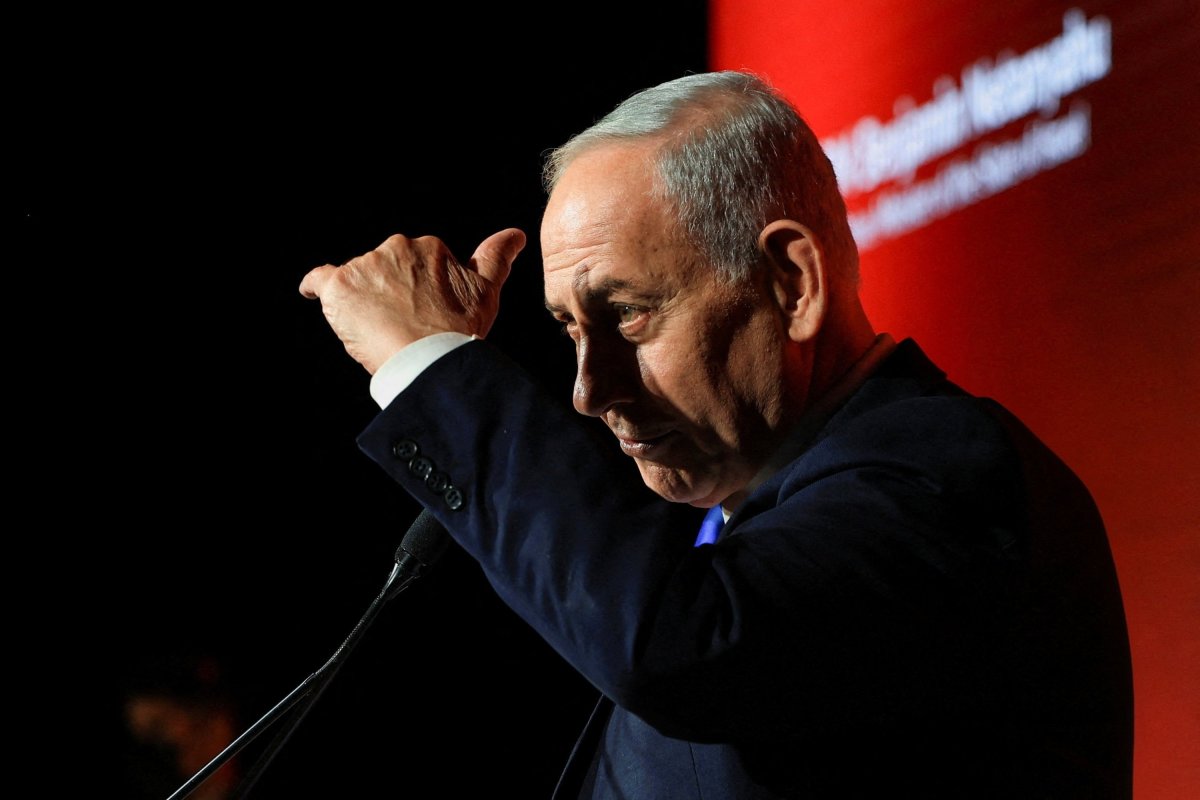
The Sidelining of Netanyahu
Israeli media on Tuesday reported that Prime Minister Benjamin Netanyahu has been sidelined by a new US-Iran understanding that has curtailed Israel's freedom of action in Lebanon and altered the regional balance. Military analyst Amos Harel wrote in Haaretz that Netanyahu is selling Israelis fiction on Lebanon as Trump sidelines Israel in Iran talks. The article detailed how the Trump administration succeeded in imposing a ceasefire in Lebanon, with the Israeli army and Hezbollah stopping attacks on each other. Harel noted that the Israeli army has drawn down its forces in southern Lebanon and the Home Front Command has lifted some restrictions along the northern border despite earlier pledges by Netanyahu and military chiefs to maintain control of the security zone. The reporting framed these steps as evidence that Washington has imposed limits that directly contradict public commitments made by Israeli leadership. This pattern shows Netanyahu operating under external constraints that reduce his ability to shape events on the ground in Lebanon while broader talks with Tehran proceed without Israeli participation.
US-Iran Understanding Reshapes the Battlefield
The US-Iran understanding has produced a practical ceasefire that halted direct exchanges between the Israeli army and Hezbollah. Israeli forces have reduced their presence in southern Lebanon, and certain Home Front Command restrictions near the northern border have been eased. These adjustments occurred even though Netanyahu and senior military officials had promised sustained control over the security zone. The understanding also restricted offensive operations after incidents on the Ali al-Tahar Ridge near Beaufort Castle. The resulting environment favors de-escalation managed from Washington rather than decisions taken in Tel Aviv. Israeli assessments now focus on repositioning to more responsible defensive lines as the next phase. The shift demonstrates how US priorities in achieving quiet in Lebanon have overridden earlier Israeli plans for prolonged presence. This battlefield adjustment reflects a wider recalibration in which Iranian demands regarding Lebanon were incorporated into the understandings, limiting Israeli maneuver room.
Netanyahu and Katz Accused of Misleading the Public
Amos Harel accused Prime Minister Netanyahu and Defense Minister Israel Katz of hiding the truth from the Israeli public and deliberately misleading it. The Haaretz analysis stated that Netanyahu and Katz do not give Israelis the full picture and in fact deliberately mislead them. Restrictions on offensive operations were imposed by the United States last weekend soon after the three incidents on the Ali al-Tahar Ridge in which six soldiers were killed. The government sought to conceal these Washington-imposed limits from public view. Harel linked the pattern to Netanyahu's broader approach of presenting an image of continued control while actual policy space narrowed. The accusations center on the gap between public pledges to maintain the security zone and the reality of force drawdowns and lifted restrictions. This portrayal suggests a deliberate effort to manage domestic perception during a period when external actors dictated the pace of de-escalation in Lebanon.
The Deconfliction Cell and Israel's Exclusion
A joint statement by Qatari and Pakistani mediators announced the creation of a deconfliction cell to ensure adherence to the termination of military operations in Lebanon. The wording of the statement implies that Israel, which is not mentioned in it, will not be part of the new mechanism. Israel's public broadcaster KAN reported that Tel Aviv did not participate in the new mechanism to verify the ceasefire in Lebanon because Iran is part of it. This exclusion marks a concrete reduction in Israel's ability to shape verification processes on its own border. The mechanism places monitoring authority in a framework that includes Iranian representation while leaving Israel outside formal channels. Israeli military preparations for the next phase in Lebanon now occur against the backdrop of this external verification structure. The arrangement underscores how the ceasefire terms were negotiated without direct Israeli input into the oversight body, further illustrating the sidelining effect of the US-Iran understanding on operational matters in Lebanon.
Iran's Strategic Achievement in Lebanese Affairs
Maariv daily, citing Israeli officials, described the US-Iran talks as granting Tehran a legitimate status in Lebanese affairs. Officials quoted in the newspaper warned that negotiating with an enemy is one thing, but making Iran a partner in arrangements concerning Lebanon is dangerous. The paper presented the development as a major achievement for Iran. Iranian demands throughout the process included making Lebanon an integral part of the broader understandings with Washington and opposing continued Israeli presence in southern Lebanon. These positions were reportedly accommodated within the final framework. The outcome allows Iran a formalized role in Lebanese security arrangements that it previously lacked. Israeli officials viewed this inclusion as a strategic gain for Tehran that extends beyond the immediate ceasefire. The shift alters the diplomatic landscape by embedding Iranian interests inside mechanisms that affect Lebanon's southern border and future security architecture.
Trump's Persian Gulf Calculus
Amos Harel wrote that US President Donald Trump is invested in achieving quiet in Lebanon to realize his grand goal of a stable arrangement in the Persian Gulf that would allow him to withdraw his forces from the region quickly. The ceasefire and associated restrictions serve this larger objective by reducing the risk of renewed escalation that could complicate Gulf diplomacy. Force adjustments in southern Lebanon, including drawdowns and eased Home Front measures, align with the priority of creating conditions for rapid US disengagement. The understanding therefore treats Lebanese stability as a supporting element for wider regional withdrawal plans rather than an end in itself. Israeli officials have had to adapt to these sequencing decisions made in Washington. The approach prioritizes de-escalation timelines that fit American force posture goals over extended Israeli operational preferences in Lebanon.
Opposition Fallout and Declining Israeli Leverage
The Israeli opposition has attacked Netanyahu in recent days, accusing him of failure and being humiliated by Trump after the US president excluded Israel from negotiations with Tehran. Israeli politicians and commentators stated that the Washington-Tehran understanding exposed Tel Aviv's declining ability to influence US decisions. The exclusion from both the deconfliction cell and the broader talks has become a focal point for domestic criticism. Opposition voices framed the developments as evidence that Israeli preferences on Lebanon were subordinated to American and Iranian priorities. This perception of reduced leverage extends to the fifth round of direct negotiations between Israel and Lebanon held in Washington on Tuesday. The cumulative effect has intensified political pressure on Netanyahu at a moment when battlefield and diplomatic outcomes diverged from earlier public commitments.
Regional Implications
The US-Iran understanding and resulting mechanisms carry consequences for alliances and stability across the Levant and Gulf. Iran's integration into Lebanese arrangements through the deconfliction cell establishes a precedent for its role in future security talks. Israel's repositioning to defensive lines and exclusion from verification processes signal a narrower margin for independent action. The emphasis on rapid US force withdrawals from the Persian Gulf ties Lebanese quiet to American strategic retrenchment, affecting calculations in multiple capitals. Energy routes and border stability now operate under constraints shaped by the Washington-Tehran framework rather than bilateral Israeli-Lebanese dynamics alone. These shifts suggest a reordering of influence in which external mediators and Iranian participation gain formal standing at the expense of previous Israeli operational latitude. The pattern points to a more constrained environment for all parties managing Lebanon's southern frontier in the period ahead. By Malik Hassan, Staff Writer
This article was produced with AI-assisted research and editorial support. Reporting is based on sources cited in the article.
What's Your Reaction?
 Like
0
Like
0
 Dislike
0
Dislike
0
 Love
0
Love
0
 Funny
0
Funny
0
 Wow
0
Wow
0
 Sad
0
Sad
0
 Angry
0
Angry
0

India/South Asia Correspondent at Global1.News. Analytical voice with a background in science and health journalism. Based in New Delhi, covering Indian politics, education, healthcare, technology, and policy. Breaks down complex data into clear, actionable reporting.












Comments (0)