
Iran Nuclear Inspections Dispute: US Claims vs Tehran Denial
US-Iran Public Clash Over IAEA Access President Trump stated that Iran has “fully and completely agreed” to long-term nuclear inspections following the June 2025 strikes. Vice President JD Vance publicly announced that Tehran consented to IAEA examination of the sites hit during Operation Midnight Hammer. These claims center on Fordow, Natanz, and Isfahan, where B-2
US-Iran Public Clash Over IAEA Access
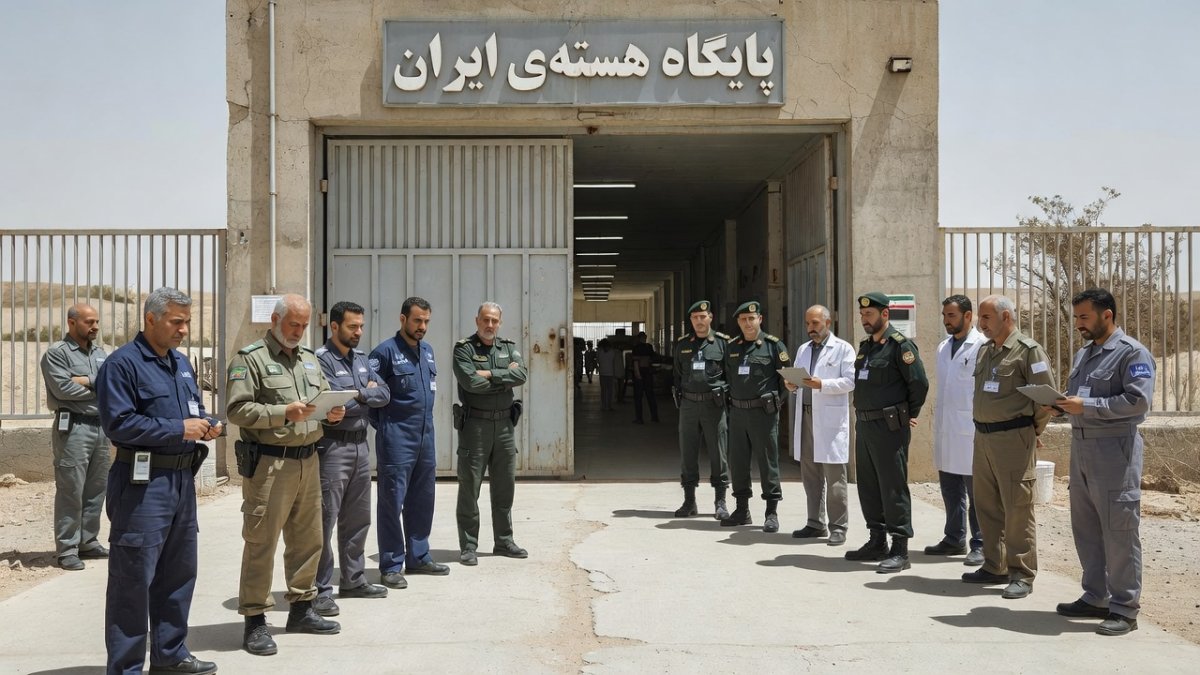
President Trump stated that Iran has “fully and completely agreed” to long-term nuclear inspections following the June 2025 strikes. Vice President JD Vance publicly announced that Tehran consented to IAEA examination of the sites hit during Operation Midnight Hammer. These claims center on Fordow, Natanz, and Isfahan, where B-2 bombers deployed GBU-57 bunker busters.
Iran’s Foreign Ministry spokesperson Esmail Baghaei immediately rejected the assertions, stating that no new commitments were made and no inspection visits have been scheduled. The contradiction has placed the 60-day negotiating period under the US-Iran MOU under immediate strain.
The 60-Day MOU and Mediation Framework
The memorandum, mediated by Pakistan and Qatar, established a 60-day window for confidence-building measures. Iranian President Masoud Pezeshkian made Pakistan his first foreign destination after the agreement, signaling Tehran’s reliance on Islamabad’s channel. Treasury Secretary Scott Bessent issued a 60-day license permitting limited Iranian oil sales explicitly tied to inspection progress.
Both sides view the period as leverage. Washington seeks verifiable rollback of enrichment activities, while Tehran aims to secure sanctions relief without conceding permanent intrusive access.
Strait of Hormuz and Energy Market Pressure
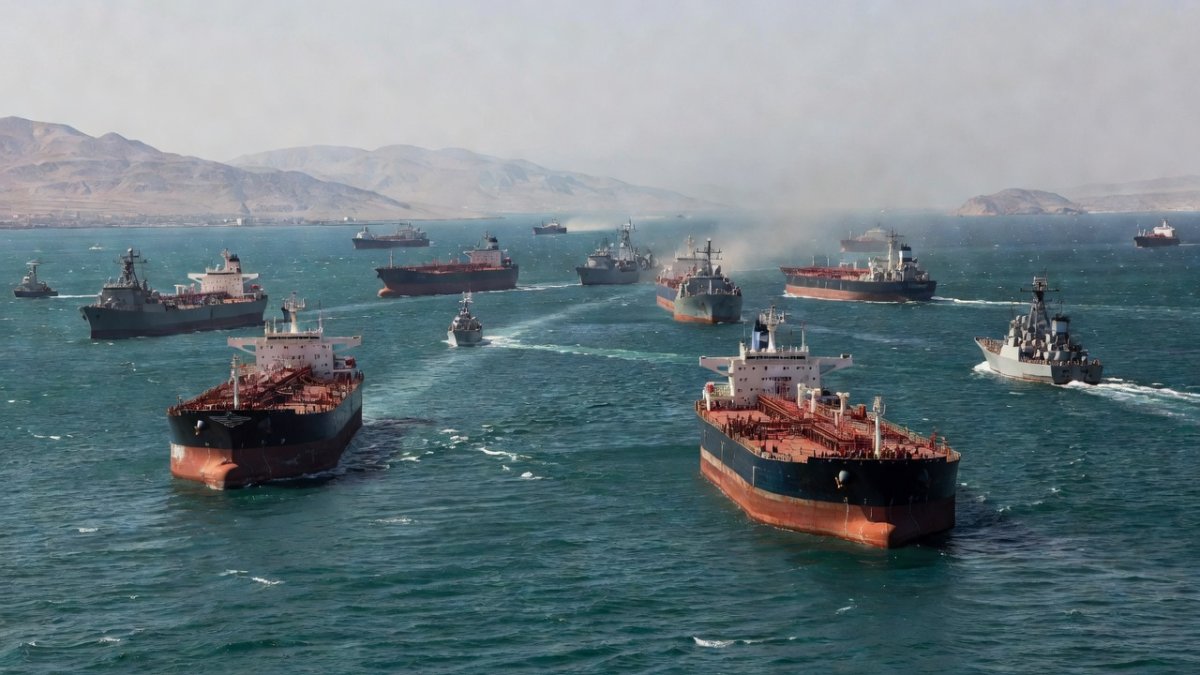
Iranian statements suggesting possible closure of the Strait of Hormuz triggered a measurable drop in tanker traffic, even after US officials dismissed the threat. The episode illustrated Tehran’s remaining asymmetric leverage over global energy flows despite military setbacks at its nuclear sites.
Gulf states watched closely. Any sustained disruption would raise insurance costs and complicate Saudi and Emirati diversification timelines away from hydrocarbon dependence.
Video Analysis: Israel’s Nuclear Status in Focus
The W News episode on Al Arabiya English examined the asymmetry in non-proliferation demands. Former IAEA Head of Verification Tariq Rauf and military expert Murat Aslan discussed Israel’s nuclear capabilities at Dimona.
Israel has never signed the NPT and maintains an estimated 90 nuclear warheads outside IAEA safeguards. The central question posed remains: if the international community demands full transparency from Iran, why does Israel’s undeclared arsenal continue without equivalent scrutiny?
Strategic Calculus for All Parties
Tehran calculates that limited cooperation during the 60-day window can unlock oil revenue while preserving core enrichment infrastructure. Washington seeks to convert military pressure into durable inspection rights before domestic political calendars shift. Pakistan and Qatar position themselves as indispensable intermediaries to maintain relevance in Gulf security architecture.
Second-order effects include accelerated Arab-Israeli normalization talks that sideline Palestinian issues and heightened Sunni-Shia competition over regional influence. Great-power actors, particularly China, monitor whether sanctions relief materializes, given their interest in stable Iranian oil supplies.
Regional Implications and Unresolved Questions
The inspections dispute cannot be isolated from broader Middle East dynamics. Iran’s nuclear program remains entangled with Israeli security calculations, Gulf energy strategies, and Turkish efforts to expand influence. Without addressing Israel’s Dimona facility under comparable verification standards, any agreement risks appearing selective rather than comprehensive.
Implementation of the 60-day license and any scheduled IAEA visits will determine whether the current impasse produces a narrow technical arrangement or collapses into renewed escalation.
By Malik Hassan, Staff WriterThis article was produced with AI-assisted research and editorial support. Reporting is based on sources cited in the article.
What's Your Reaction?
 Like
0
Like
0
 Dislike
0
Dislike
0
 Love
0
Love
0
 Funny
0
Funny
0
 Wow
0
Wow
0
 Sad
0
Sad
0
 Angry
0
Angry
0
Middle East Correspondent at Global1.News. Based in Beirut, covering politics, conflict, energy, and society across the Middle East. Brings context and depth to a region often reduced to headlines.









Comments (0)