
Russia: US No Longer Objective Mediator in Ukraine
Moscow Declares Washington No Longer an Impartial Broker Russian Foreign Minister Sergei Lavrov addressed foreign envoys in Moscow on Tuesday, stating that the United States was no longer an objective mediator in efforts to end the Ukraine conflict. Lavrov emphasized that Washington appeared to be abandoning any claim to impartiality and instead pursuing a course of escalating
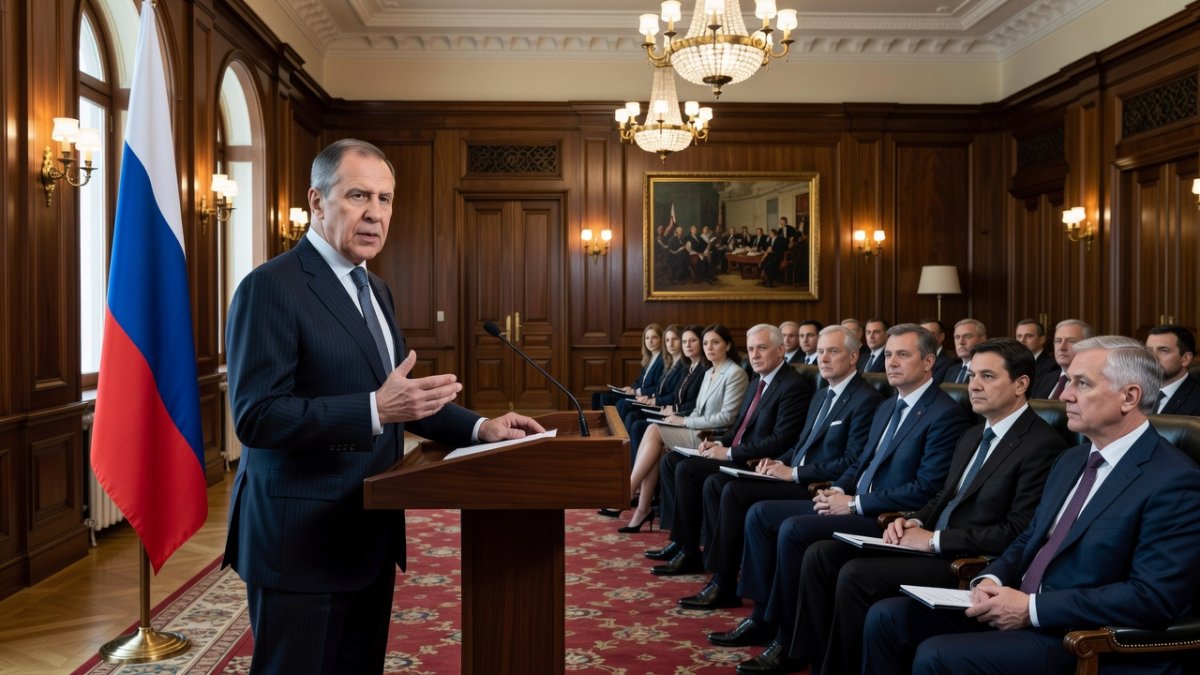
Moscow Declares Washington No Longer an Impartial Broker
Russian Foreign Minister Sergei Lavrov addressed foreign envoys in Moscow on Tuesday, stating that the United States was no longer an objective mediator in efforts to end the Ukraine conflict. Lavrov emphasized that Washington appeared to be abandoning any claim to impartiality and instead pursuing a course of escalating sanctions pressure on Russia. This statement came amid ongoing diplomatic efforts that have shown little movement in recent weeks.
The remarks by Lavrov highlight a shift in Moscow's assessment of the United States role. According to the foreign minister, actions by American officials indicate a move away from balanced mediation toward measures that intensify economic restrictions. Such positioning affects the diplomatic landscape by reducing the perceived neutrality of one of the key parties involved in shuttle diplomacy.
Analysts suggest this declaration signals Moscow's growing frustration with the current negotiation framework. The focus on sanctions pressure rather than facilitation of talks underscores tensions that could further complicate any future engagement. Observers note that this stance may influence how other nations view the prospects for renewed discussions.
Overall, Lavrov's address frames the United States as aligned with broader Western efforts to constrain Russia economically. This perspective from the Russian Foreign Ministry adds to the complexity of the stalled peace process and reflects official claims about shifting priorities in Washington.
G7 Sanctions and the Energy Campaign
At the G7 summit in France earlier this month, leaders including President Donald Trump agreed to increase pressure on the Russian war economy through strengthened sanctions, particularly targeting energy exports. This decision builds on previous measures and aims to limit Moscow's revenue streams that support military operations. The coordinated approach among G7 nations reflects a unified stance on economic restrictions.
Trump signaled a potential reimposition of sanctions on Russian oil after temporarily easing some restrictions in March due to rising crude prices. The waiver was later extended, yet the summit outcome indicates a return to tighter controls. These steps target key sectors that sustain Russia's economic capacity during the ongoing conflict.
According to Kremlin sources, such sanctions represent an escalation in external pressure on energy revenues. The focus on oil and gas exports directly impacts Russia's ability to fund its military activities. European and American officials have framed these measures as necessary responses to the situation in Ukraine.
The energy campaign agreed upon at the G7 meeting adds layers to the economic dimension of the conflict. Tightened sanctions on Russian energy could influence global markets while aiming to constrain Moscow's financial resources. This development continues the pattern of Western coordination on economic tools.
Trump's Diplomatic Pivot to the Middle East
U.S.-led talks on ending the Ukraine conflict remain effectively frozen as President Donald Trump has shifted attention toward the Middle East following strikes on Iran ordered in late February. This pivot has slowed momentum in the shuttle diplomacy that Trump had initially pursued after returning to the White House in 2025. The change in focus has left negotiations in a state of limited progress.
Trump had pledged to end the Ukraine war within a day of taking office, yet both sides have shown reluctance to advance discussions. Kyiv continues to refuse Moscow's demands, which include ceding territory, limiting the size of its army, and renouncing Western support. These conditions remain central sticking points in the stalled process.
Hundreds of thousands of people have been killed and millions in Ukraine forced from their homes since Russia launched its full-scale invasion in February 2022. The human cost underscores the urgency that once surrounded the talks, though current diplomatic inertia has reduced immediate expectations for resolution.
The shift in American priorities toward the Middle East has contributed to the effective freeze in Ukraine-related negotiations. This development illustrates how broader international events can influence regional diplomatic efforts and alter the trajectory of peace initiatives.
Putin's Warning: Europe 'Openly Preparing for War'
Russian President Vladimir Putin stated during a ceremony for newly qualified military and law enforcement officials that Europe was openly preparing for war through its massive rearmament program. He noted that Western nations were increasing their military and offensive budgets while declaring intentions to confront Russia. These comments came amid Moscow's criticism of Europe's support for Ukraine.
Putin linked the European rearmament efforts to encouragement from Trump, describing the developments as a direct challenge. The Kremlin chief framed these actions as evidence of hostile intent from the West. Such statements reflect official Russian concerns about expanding military capabilities across Europe.
In recent months, Moscow has grown increasingly critical of Europe's role in backing Ukraine and attempting to prevent Trump from pushing Kyiv toward a Russia-friendly peace. Putin's remarks at the ceremony reinforced this narrative by highlighting perceived preparations for confrontation.
The warnings issued by Putin add to the rhetorical escalation surrounding the conflict. By characterizing Western budgets as offensive in nature, the Russian leadership presents a view of encirclement that influences domestic and international perceptions of security dynamics.
Military Operations in the Donbas
During his address at the military ceremony, Putin repeated Russia's call for Ukraine to fully withdraw from the eastern Donbas region. He stated that Russian troops were on the brink of capturing the key fortified town of Kostiantynivka. This assessment reflects ongoing operations in the area that have continued for an extended period.
The demand for withdrawal from Donbas remains a core position in Moscow's approach to any potential settlement. Putin presented the situation around Kostiantynivka as advancing in Russia's favor, emphasizing the strategic importance of the location within the broader campaign. These comments align with previous statements from the Kremlin on territorial objectives.
Analysts suggest that progress toward Kostiantynivka could influence the dynamics on the ground in eastern Ukraine. The fortified nature of the town has made it a focal point in the conflict, with Russian forces seeking to secure control amid sustained fighting.
Putin's remarks on Donbas operations tie into the larger military context that has persisted since the 2022 invasion. The emphasis on specific locations like Kostiantynivka provides insight into current priorities within the Russian military strategy.
Ukrainian Retaliatory Strikes on Russian Soil
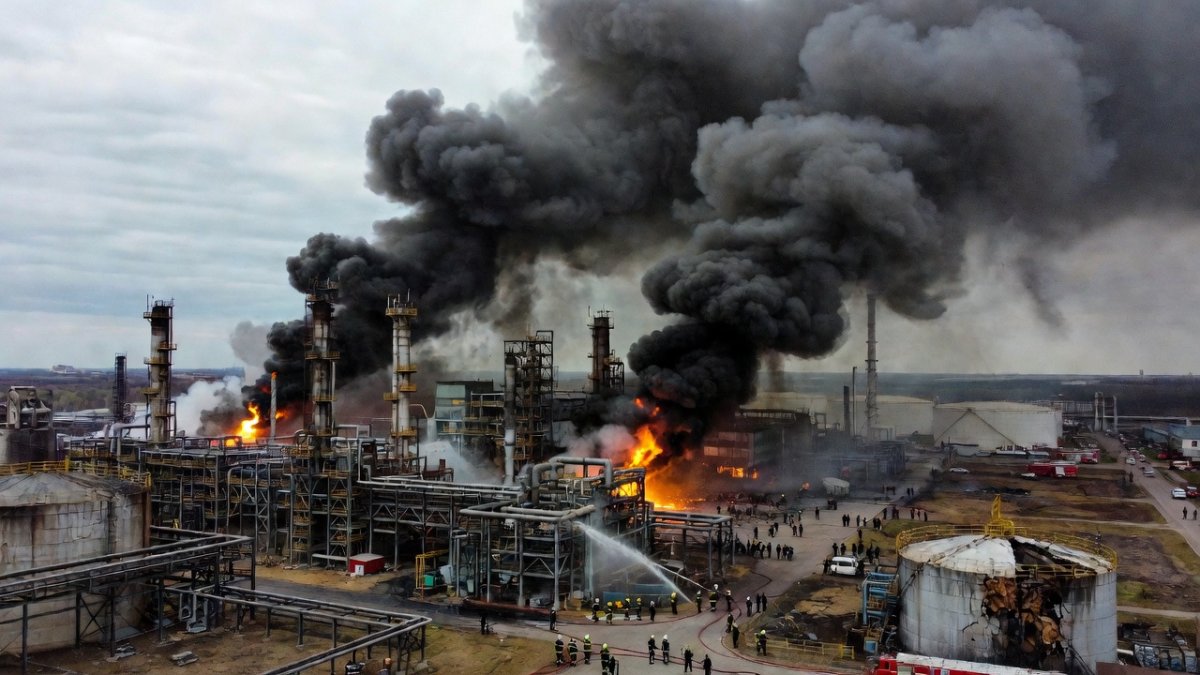
Putin described an escalating wave of Ukrainian retaliatory hits on Russian infrastructure as designed to shake up society and carried out with Western support. These comments marked his first such remarks since a massive attack on Moscow last week set an oil refinery ablaze, pouring black smoke over the Russian capital. The incident highlighted vulnerabilities in rear areas.
The strikes on energy facilities represent a shift in the conflict's reach beyond the front lines. Putin attributed the attacks to efforts aimed at destabilizing Russian society, linking them to external backing. This characterization from the Kremlin chief underscores concerns about domestic impacts from cross-border actions.
Last week's refinery incident in Moscow drew attention to the expanding scope of operations. Black smoke visible over the capital served as a visible reminder of the reach of such strikes. Russian officials have connected these events to broader patterns of retaliation.
The wave of infrastructure hits adds a new dimension to the conflict's effects on Russian territory. Putin's statements frame these developments as externally supported attempts to create internal disruption, reflecting official responses to the incidents.
Analysis: Diplomatic Stalemate and Regional Fallout
The combined developments from Lavrov's statements, G7 decisions, and Putin's addresses point to a deepening diplomatic stalemate. With talks frozen and sanctions intensifying, prospects for near-term resolution appear limited. The pivot in American focus and European rearmament efforts further complicate the environment for negotiations.
Impacts on ordinary Russians and Ukrainians continue to mount through economic pressures and military operations. Energy sanctions affect revenues while infrastructure strikes create visible disruptions. The human toll documented since 2022 remains a central element in assessments of the conflict's duration.
Analysts suggest that monitoring shifts in sanctions policy, military advances around locations like Kostiantynivka, and any changes in Western support will be key in the coming period. The interplay between these factors could determine whether movement resumes in diplomatic channels.
Overall, the current landscape reflects entrenched positions from multiple parties. The absence of progress in shuttle diplomacy and the escalation in economic and military measures indicate that regional fallout will persist without significant alterations in approach from involved governments.
By Irina Volkov, Staff WriterThis article was produced with AI-assisted research and editorial support. Reporting is based on sources cited in the article.
What's Your Reaction?
 Like
0
Like
0
 Dislike
0
Dislike
0
 Love
0
Love
0
 Funny
0
Funny
0
 Wow
0
Wow
0
 Sad
0
Sad
0
 Angry
0
Angry
0
Russia/Eastern Europe Correspondent at Global1.News. Covering Russian politics, energy, security, and the shifting dynamics of the post-Soviet space. Provides clear-eyed analysis on one of the world's most opaque regions.









Comments (0)