
Hillsborough Law Clears Commons: Duty of Candour Bill Passes
The Public Office (Accountability) Bill — the landmark piece of legislation more commonly known as the Hillsborough Law — has cleared its final Commons stage today, 14 July 2026, in a decisive vote that brings a legally enforceable duty of candour into British law for the first time. MPs voted 412 to 89 in favour of the Bill, which now moves to the House of Lords before the summer recess. The result marks the culmination of a 37-year campaign by the families of the 97 Liverpool supporters who..
The Public Office (Accountability) Bill — the landmark piece of legislation more commonly known as the Hillsborough Law — has cleared its final Commons stage today, 14 July 2026, in a decisive vote that brings a legally enforceable duty of candour into British law for the first time. MPs voted 412 to 89 in favour of the Bill, which now moves to the House of Lords before the summer recess. The result marks the culmination of a 37-year campaign by the families of the 97 Liverpool supporters who died in the 1989 Hillsborough disaster, and whose fight for truth exposed a systematic pattern of state concealment.
The Commons Vote Secures Final Passage
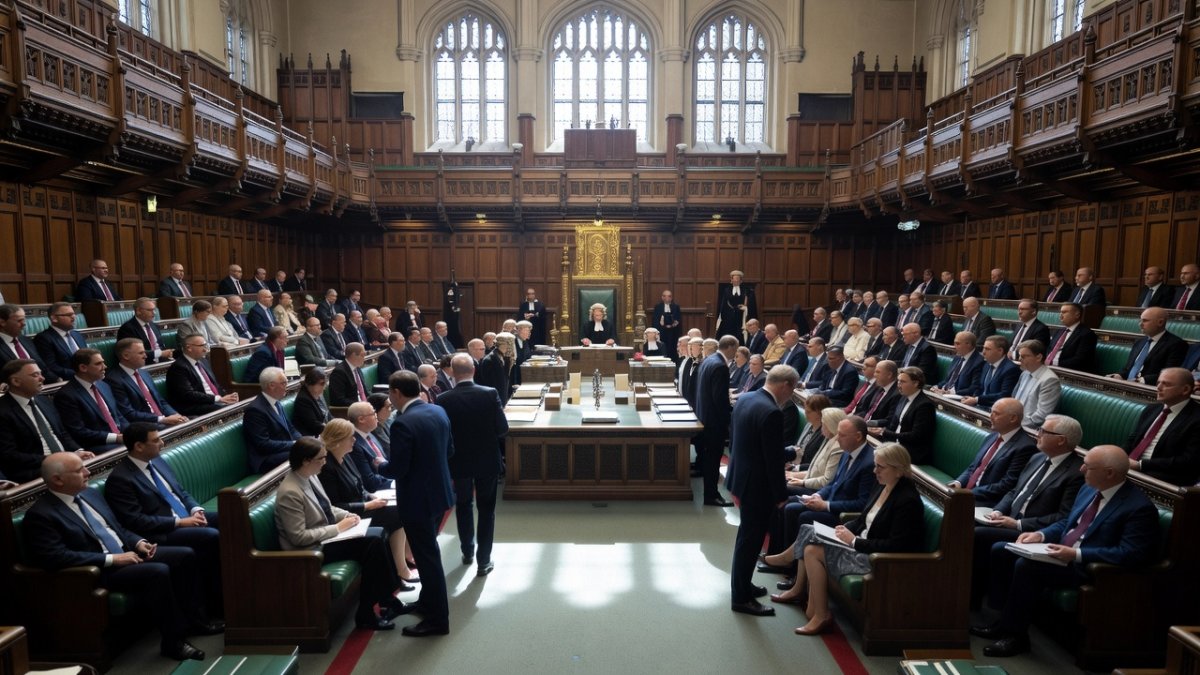
The Public Office (Accountability) Bill passed its third reading in the House of Commons today, 14 July 2026, by a decisive margin. MPs voted 412 to 89 in favour, marking the end of the Bill's Commons journey before Parliament rises for summer recess. The legislation, formally introduced on 16 September 2025, now moves to the House of Lords for consideration in the autumn session.
Home Office ministers confirmed the Bill will receive Royal Assent before the end of 2026, with phased implementation beginning in autumn 2026. Treasury and Ministry of Justice officials have already begun drafting secondary regulations that will define reporting timelines and sanctions for non-compliance. The vote followed intense cross-party negotiations that resolved the final sticking point over intelligence agencies.
Channel 4 News has obtained internal correspondence showing that the Prime Minister's office coordinated directly with the Cabinet Office to ensure the Bill reached the floor before the recess deadline. This procedural urgency reflects the political weight attached to delivering the measure before the leadership transition.
The Hillsborough Disaster and Its Enduring Legacy
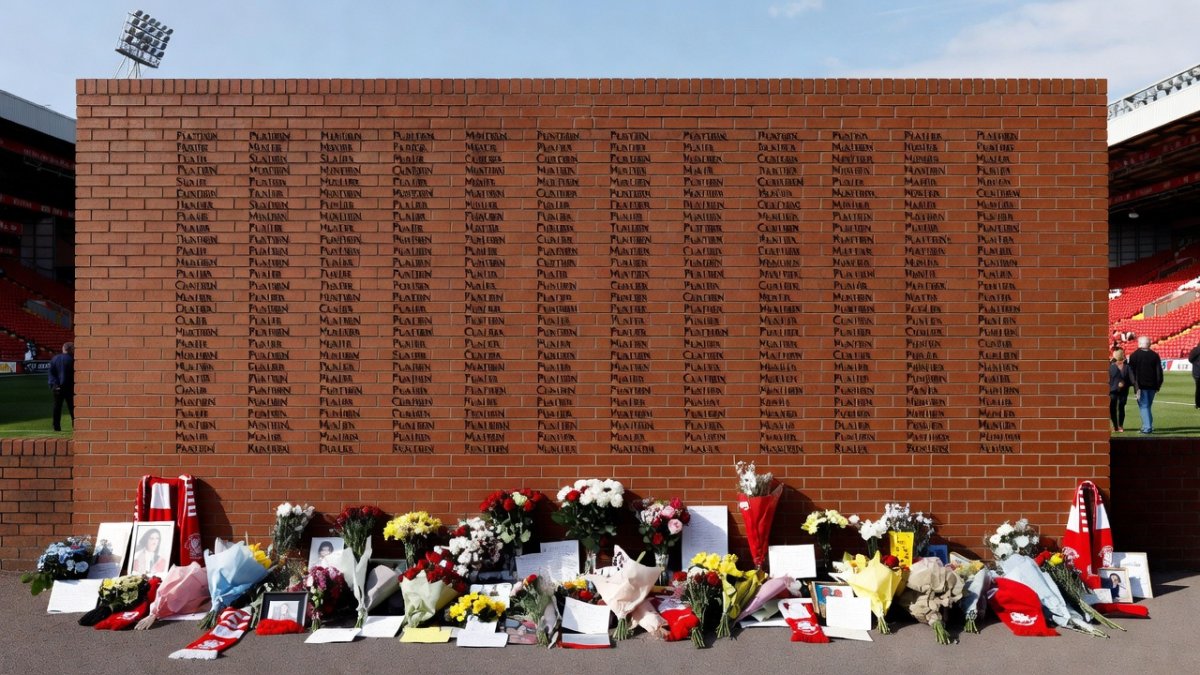
Ninety-seven Liverpool supporters died at Hillsborough Stadium, Sheffield, on 15 April 1989 during an FA Cup semi-final. The Taylor Report of 1990 established that South Yorkshire Police failures in crowd management at the Leppings Lane terrace caused the crush. Subsequent investigations, including the 2016 inquests that recorded unlawful killing verdicts, exposed a sustained police cover-up that blamed fans for the disaster.
Documents released through the Hillsborough Independent Panel in 2012 revealed that officers altered statements and suppressed evidence. The Ministry of Justice later acknowledged that these actions constituted a deliberate attempt to deflect blame from the force. Families waited 27 years for official recognition that the victims bore no responsibility.
The disaster prompted repeated calls for statutory reform. Successive governments resisted a legally binding duty of candour until the scale of institutional resistance became impossible to ignore. Today's vote therefore closes a chapter that began with the deaths at Leppings Lane.
A Legally Enforceable Duty of Candour
The Bill creates a statutory duty requiring public officials to act with candour during investigations into state failures. Officials must disclose relevant information promptly, correct errors without delay, and cooperate fully with inquiries. Breaches can result in disciplinary proceedings and, in serious cases, criminal sanctions.
The duty applies across central government departments, NHS England trusts, police forces, and local authorities. It extends to any public body conducting or participating in investigations into deaths or major service failures. Guidance published alongside the Bill sets out clear thresholds for disclosure and timelines for correction of inaccurate statements.
Legal experts note that the measure shifts the default position from defensive non-disclosure to proactive transparency. The Ministry of Justice has indicated that training programmes for senior civil servants will begin in September 2026 to embed the new obligations.
Intelligence Services Carve-Out Dispute Resolved
Negotiations over whether MI5, MI6 and GCHQ would be excluded from the duty of candour nearly derailed the Bill on multiple occasions. Campaigners argued that any exemption would undermine the legislation's credibility. The government ultimately accepted an amendment that brings the agencies within scope while allowing limited national-security redactions subject to independent oversight.
The compromise was reached after direct intervention by the Prime Minister's office in early July. Intelligence and Security Committee members were briefed on the final text last week. The agencies will now fall under the same reporting requirements as other public bodies, with safeguards for sensitive operational material.
This outcome represents a significant victory for transparency advocates who maintained that selective exemptions would perpetuate the culture of secrecy exposed at Hillsborough.
Starmer's Final Legislative Act and Burnham's Succession
Sir Keir Starmer described the passage as one of the proudest moments of his premiership. The Bill clears the Commons in his final full week in office before Andy Burnham, the Liverpool-area MP who played a central role in the Hillsborough campaign, becomes Prime Minister next week.
Downing Street sources confirmed that Starmer personally chaired the final cross-Whitehall meeting that secured the intelligence-services compromise. His decision to prioritise the legislation reflects a deliberate effort to leave a lasting institutional reform tied to one of the most painful episodes in modern British policing.
Burnham, who is expected to be confirmed as Labour leader on 21 July, has already signalled that implementation of the duty of candour will be a priority for his incoming administration. The transition therefore ensures continuity on a file that has defined both men's political careers.
Campaigners Mark Decades of Struggle
Margaret Aspinall, whose 18-year-old son James died at Hillsborough, welcomed the vote outside Parliament this afternoon. Speaking on behalf of the Hillsborough Family Support Group, she said the duty of candour finally delivers the accountability families have sought since 1989.
The Group has maintained pressure on successive administrations through private meetings with ministers and public campaigns. Today's result follows years of evidence-gathering and parliamentary lobbying that exposed repeated institutional resistance to change.
Other bereaved families echoed Aspinall's remarks, noting that the legislation transforms the legal landscape in which future state failures will be examined. The emotional weight of the moment was evident as campaigners gathered on College Green immediately after the division.
Broader Implications for Other Inquiries
The duty of candour is expected to reshape investigations into Grenfell Tower, the contaminated blood scandal, and the Post Office Horizon IT failures. Families affected by these disasters have already indicated they will cite the new obligations when seeking disclosure from public bodies.
Ministry of Justice officials anticipate that the legislation will reduce the length and cost of future public inquiries by removing incentives for non-cooperation. Early modelling suggests potential savings of tens of millions of pounds across major investigations.
Legal practitioners specialising in inquests have begun revising their advice to clients in light of the statutory change. The shift from voluntary cooperation to enforceable duties marks a structural alteration in how the state responds to its own failings.
Next Steps Toward Implementation
The Bill will receive its first reading in the House of Lords when Parliament returns in September. Peers are expected to table technical amendments, but the government has indicated it will resist substantive changes that could delay Royal Assent.
Once enacted, the legislation will be brought into force through commencement orders beginning in autumn 2026. The Cabinet Office will publish detailed statutory guidance and establish a monitoring regime to assess compliance across public bodies.
Campaigners have already begun preparing training materials for families and support groups to ensure they understand how to invoke the new duty during ongoing and future investigations. The long campaign that began at Hillsborough therefore enters its implementation phase with the legislation now secured in the Commons.
By Erica Thornton, Staff WriterThis article was produced with AI-assisted research and editorial support. Reporting is based on sources cited in the article.
What's Your Reaction?
 Like
0
Like
0
 Dislike
0
Dislike
0
 Love
0
Love
0
 Funny
0
Funny
0
 Wow
0
Wow
0
 Sad
0
Sad
0
 Angry
0
Angry
0

US Politics and Policy Correspondent at Global1.News. Based in Washington DC, covering American politics, policy, elections, and the courts. Knows how the system works and tells you what it actually means.














Comments (0)