
NCERT Warns Against Fake Class 9 Textbooks: Counterfeit Copies Circulating Online
On June 24, 2026, the National Council of Educational Research and Training issued a formal public warning after discovering a counterfeit Class 9 Social Science Part 1 textbook titled "Understanding Society India & Beyond" circulating widely on social media platforms and messaging apps. The fake edition appeared in both print and digital formats, complete with fabricated ISBN
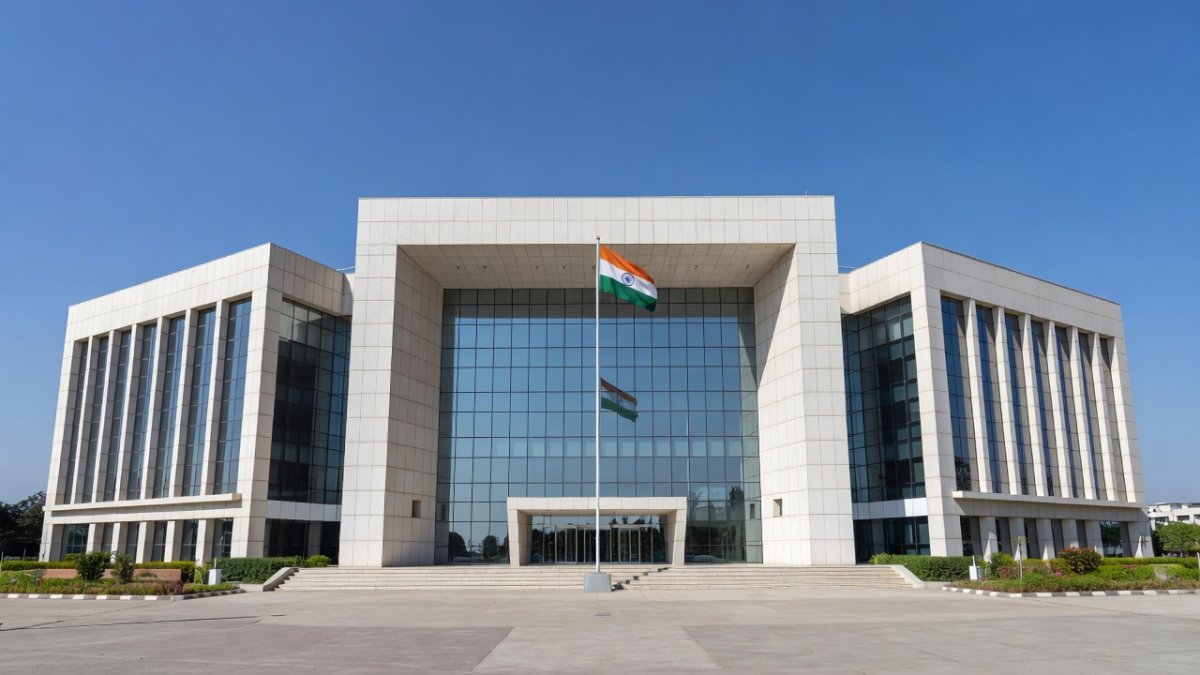
On June 24, 2026, the National Council of Educational Research and Training issued a formal public warning after discovering a counterfeit Class 9 Social Science Part 1 textbook titled "Understanding Society India & Beyond" circulating widely on social media platforms and messaging apps. The fake edition appeared in both print and digital formats, complete with fabricated ISBN numbers and forged publication seals that mimicked official NCERT branding. This incident highlights vulnerabilities in India's vast textbook distribution network, which serves over 28,000 CBSE-affiliated schools and millions of students across Delhi, Mumbai, Bengaluru, Hyderabad, Chennai, Kolkata, and smaller towns in states like Uttar Pradesh and Tamil Nadu.
The Counterfeit Textbook: What Was Found
The counterfeit textbook contained multiple factual inaccuracies, including outdated maps of India's political boundaries and incorrect historical timelines that contradicted verified NCERT content. Investigators traced its spread to unauthorised printers operating through intermediaries in the supply chain, a system that has repeatedly proven susceptible to infiltration. NCERT officials confirmed that the fake version lacked the mandatory hologram seals and QR codes linking to the official Diksha platform and ePathshala app maintained by the Ministry of Education.
Similar counterfeit NCERT books have surfaced in previous years, often during peak admission seasons when demand surges ahead of the academic year. The June 2026 warning specifically urged parents and teachers to cross-check every copy against the official website ncert.nic.in before purchase. Distribution points in markets across Maharashtra and Karnataka reported clusters of these fakes being sold at discounted rates, exploiting families seeking affordable alternatives amid rising education costs.
Digital versions of the fake book spread rapidly via WhatsApp groups and Telegram channels popular among students preparing for the 2026-27 session. These files often carried malware alongside erroneous content, compounding risks beyond mere academic misinformation. NCERT's advisory emphasised that only textbooks procured directly from authorised vendors or downloaded from verified government portals carry the authenticity guarantees required under the National Education Policy 2020 framework.
Why NCERT Textbooks Matter for Indian Education
NCERT textbooks form the foundational curriculum for the Central Board of Secondary Education and influence state boards in Uttar Pradesh, Tamil Nadu, Maharashtra, and Karnataka as they align with the New Curriculum Framework. These books underpin preparation for board examinations in Classes 10 and 12, as well as competitive entrance tests including CUET, JEE, and NEET foundation courses. With conceptual clarity and multidisciplinary learning at the core of NEP 2020, any deviation in content directly undermines the policy's goals of equitable, high-quality education nationwide.
Over 28,000 CBSE schools rely exclusively on NCERT materials, creating a single point of failure when counterfeits enter circulation. Students in metropolitan centres like Bengaluru and Hyderabad compete directly with peers in smaller towns using the same standardised texts, making uniform accuracy essential for fair assessment. The Ministry of Education's digital initiatives, such as the Diksha platform, were designed precisely to reduce dependence on physical copies and provide verified content free of charge.
Counterfeit editions erode this standardisation by introducing errors that can persist across generations of learners. For instance, incorrect scientific diagrams or misinterpreted social science concepts in a Class 9 book can cascade into flawed understanding during higher secondary years. This issue carries particular weight as India transitions to revised textbooks under the 2026-27 rollout, where updated content reflects NEP 2020 priorities on critical thinking and reduced rote learning.
Impact on Students and Board Examinations
Millions of students preparing for 2026 board examinations now face heightened uncertainty, as even a single erroneous chapter can affect performance in high-stakes subjects. In Delhi and Chennai, coaching centres have reported instances where students arrived with mismatched content from fake books, leading to confusion during mock tests aligned with official NCERT syllabi. The ripple effects extend to CUET aspirants who depend on accurate foundational knowledge from earlier grades.
Parents in middle-income households across Mumbai and Kolkata bear additional financial and emotional burdens when forced to replace suspect copies at short notice. The textbook distribution chain, involving multiple intermediaries from printers to local vendors, creates repeated vulnerability points that disproportionately affect families outside major urban centres. This undermines NEP 2020's emphasis on inclusive access, as rural students in Karnataka and Uttar Pradesh often lack immediate recourse to official verification channels.
Board examination results could reflect these discrepancies if undetected fakes remain in use through the academic year. Historical data from prior incidents shows that students using counterfeit materials scored lower on average in subjects requiring precise factual recall, highlighting the direct link between textbook integrity and academic outcomes.
Broader Implications for the New Curriculum Framework
The timing of this warning coincides with the phased implementation of the New Curriculum Framework, which introduces multidisciplinary modules and updated pedagogical approaches for the 2026-27 year. States aligning their boards with this framework, including Maharashtra and Tamil Nadu, depend on NCERT's revised editions to maintain consistency. Fake textbooks threaten to dilute these reforms by propagating outdated or contradictory material at the grassroots level.
India's education ecosystem, serving diverse populations from Hyderabad's tech corridors to smaller towns in Uttar Pradesh, requires robust safeguards to realise NEP 2020's vision. The Ministry of Education's push toward digital platforms like ePathshala aims to bypass physical distribution risks, yet adoption remains uneven in regions with limited internet access. Counterfeit circulation thus widens the urban-rural divide in educational quality.
Long-term, repeated incidents erode public trust in the textbook system that underpins national assessments. Policymakers must address supply chain vulnerabilities to prevent similar disruptions during future curriculum revisions, ensuring that conceptual learning emphasised in NEP 2020 reaches every classroom without distortion.
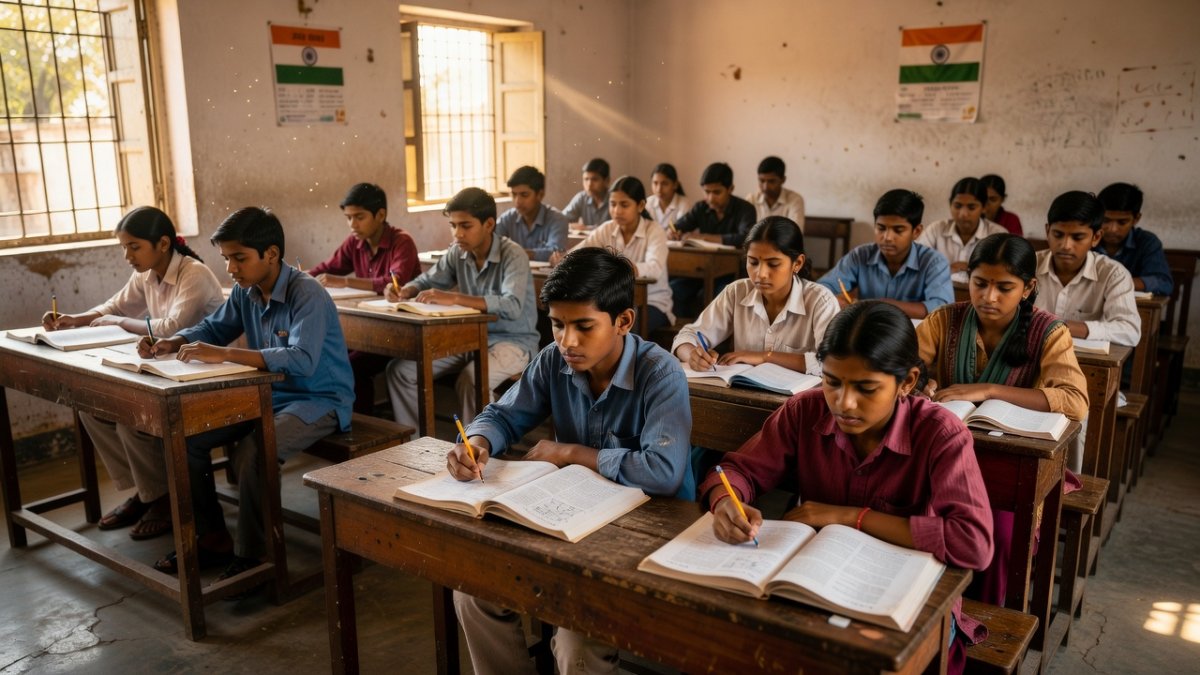
How Parents and Schools Can Verify Authenticity
NCERT recommends purchasing textbooks exclusively through the official ncert.nic.in portal or authorised state textbook bureaus, where each copy includes verifiable ISBN numbers and holographic seals. Schools affiliated with CBSE should conduct batch-wise checks upon receipt, cross-referencing against the council's published authenticity guidelines. Parents can scan QR codes on genuine copies to access supplementary digital resources on the Diksha platform.
Teachers in institutions across Bengaluru and Chennai are advised to compare suspect editions against sample pages available on the NCERT website before distribution. Any discrepancies in pagination, colour quality, or content should trigger immediate reporting to local education authorities. The Ministry of Education has also expanded helplines for real-time verification during peak distribution periods.
Digital downloads must originate solely from ePathshala or the NCERT app to avoid tampered files. Community awareness campaigns in states like Karnataka and Maharashtra could further empower families to reject suspiciously priced copies sold through informal channels.
What This Means for India's Education Future
This episode underscores the need for tighter oversight of the textbook supply chain as India scales up NEP 2020 implementation across 28,000 CBSE schools and aligned state boards. Investment in end-to-end digital tracking, from printing to last-mile delivery, would reduce intermediary risks that have enabled past counterfeits. Such measures align with the policy's focus on technology-enabled learning while protecting the integrity of content used for board exams and entrance tests.
Students in smaller towns stand to lose the most if verification systems remain fragmented, perpetuating disparities that NEP 2020 seeks to eliminate. Strengthened collaboration between NCERT, the Ministry of Education, and state governments could establish uniform standards that safeguard conceptual clarity for the next generation of learners preparing for CUET, JEE, and NEET pathways.
Ultimately, the June 2026 warning serves as a reminder that educational equity depends on reliable materials reaching every classroom, from Delhi to Hyderabad, without compromise.
The Bottom Line
The circulation of fake NCERT textbooks threatens the foundational accuracy required for India's evolving education system under NEP 2020. Immediate vigilance by parents, schools, and authorities remains essential to protect millions of students ahead of the 2026-27 academic year and beyond. By Dr. Raj Patel, Staff Writer
This article was produced with AI-assisted research and editorial support. Reporting is based on sources cited in the article.
What's Your Reaction?
 Like
0
Like
0
 Dislike
0
Dislike
0
 Love
0
Love
0
 Funny
0
Funny
0
 Wow
0
Wow
0
 Sad
0
Sad
0
 Angry
0
Angry
0

India/South Asia Correspondent at Global1.News. Analytical voice with a background in science and health journalism. Based in New Delhi, covering Indian politics, education, healthcare, technology, and policy. Breaks down complex data into clear, actionable reporting.















Comments (0)