
March Retail Sales Collapse Exposes Growing Strain on U.S. Households
March Retail Sales Collapse Exposes Growing Strain on U.S. Households The Unexpected 1 Percent Drop in March Retail Sales The U.S. Commerce Department reported that retail sales fell 1 percent in March from the prior month, a steeper decline than the 0.4 percent drop economists had forecasted. This marks one of the sharper monthly contractions seen since the post-pandemic rebou
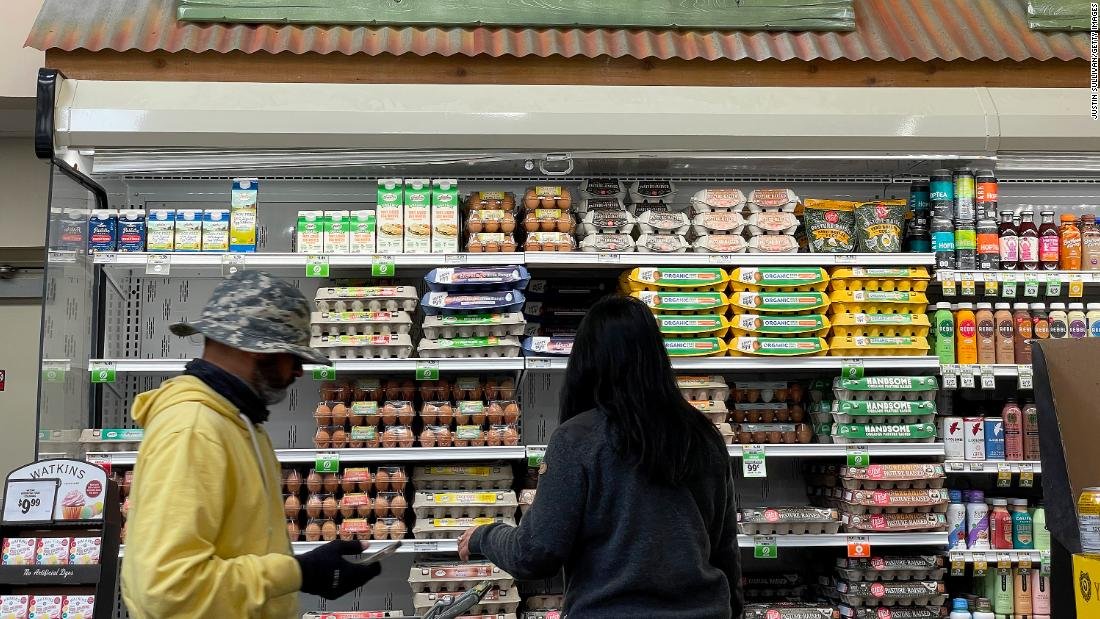
The Unexpected 1 Percent Drop in March Retail Sales
The U.S. Commerce Department reported that retail sales fell 1 percent in March from the prior month, a steeper decline than the 0.4 percent drop economists had forecasted. This marks one of the sharper monthly contractions seen since the post-pandemic rebound began to lose steam. Year-over-year spending still rose 2.9 percent, yet the sequential drop reveals how quickly momentum can evaporate when refunds shrink and prices at the pump climb again.
Atlanta households felt the pinch directly. Local shoppers at big-box stores along I-85 corridors cut back on discretionary purchases, mirroring national patterns. The data underscore that even modest monthly declines compound quickly when families already face higher rents and insurance costs. Economists now view March as an early warning rather than an outlier.
Seasonal patterns usually lift March numbers because of tax refunds and spring restocking. The absence of that lift this year points to deeper caution among consumers. Retailers in Georgia reported slower foot traffic at malls compared with 2022, confirming the national figures with local cash-register data.
Tax Refunds Shrink by $25 Billion, Hitting Spring Budgets
The IRS distributed $84 billion in tax refunds during March, roughly $25 billion less than the same month in 2022. Aditya Bhave of Bank of America noted that March is a critical month for refunds, and many households had planned spending around last year's larger checks. The shortfall arrived just as enhanced SNAP benefits ended, creating a double squeeze on cash flow.
Families in metro Atlanta who counted on refunds for car repairs or school supplies now face tougher choices. The reduced payouts reflect both lower over-withholding from 2022 wages and changes in tax processing. Without that expected cushion, discretionary spending at general merchandise stores dropped sharply, illustrating how policy timing affects real-world ledgers.
Lower refunds also reduce the seasonal boost that normally supports small businesses. Georgia retailers who rely on March sales to clear winter inventory now carry more unsold goods into summer. The $25 billion national gap translates into measurable lost revenue for local economies already navigating higher interest rates on commercial loans.
General Merchandise and Gas Station Spending Lead the Declines
Spending at general merchandise stores fell 3 percent in March while gas station sales dropped 5.5 percent. These two categories together account for a sizable share of monthly retail activity. When both contract simultaneously, the signal is unambiguous: households are prioritizing essentials and delaying other purchases.
Excluding gasoline, overall retail spending still declined 0.6 percent. This broader measure removes the volatile energy component yet still shows weakness. In Atlanta, where many commuters drive long distances, the gas-station drop directly reduced dollars available for groceries and household goods at the same stores.
Historical comparisons reveal that similar paired declines in merchandise and fuel often precede slower economic quarters. Retailers have already begun trimming orders for the back-to-school season. The pattern suggests that the March weakness could linger into summer unless wages accelerate or fuel prices ease.
SNAP Benefit Expiration Compounds Pressure on Low-Income Families
Enhanced SNAP benefits expired nationwide in February, removing an average of $95 per person monthly from household resources. The timing overlapped with smaller tax refunds and rising gas prices, creating immediate budget shortfalls for millions of families. Georgia's SNAP caseload exceeds 1.3 million residents, many of whom shop at Atlanta-area discount grocers.
Food-at-home spending held up better than discretionary categories, yet the quality of purchases shifted toward cheaper staples. Nutrition advocates report increased demand at food banks across metro Atlanta since the benefit reduction took effect. The Commerce Department data show that lower-income zip codes experienced steeper drops in general merchandise sales, confirming the localized impact.
Without the supplemental SNAP dollars, families have less flexibility to absorb other price increases. This structural change in benefits will continue to shape spending patterns well into 2023. Policymakers in Washington have shown little appetite for restoring the higher allotments, leaving states to manage the resulting demand for emergency assistance.
Wage Growth Slows to Smallest Annual Gain Since Mid-2021
Average hourly earnings rose 4.2 percent in March compared with a year earlier, down from 4.6 percent in February. This marks the slowest annual increase since June 2021. While still above pre-pandemic norms, the deceleration indicates that the tight labor market is no longer translating into rapid pay gains for most workers.
Atlanta workers in logistics and hospitality have seen starting wages plateau after two years of aggressive increases. The 236,000 jobs added nationally in March included solid gains in Georgia, yet many new positions pay less in real terms once inflation is factored in. Slower wage momentum reduces the buffer households need when refunds shrink and benefits expire.
Employers remain reluctant to accelerate raises further amid higher borrowing costs. The result is a labor market that adds jobs without delivering the income growth consumers had grown accustomed to during the recovery. This mismatch between employment and real earnings growth will shape spending decisions throughout the summer.
Federal Reserve Warns of Recession Later This Year
The Federal Reserve has signaled that higher interest rates will likely push the economy into recession before the end of 2023. March's retail sales data reinforce that outlook by showing consumer spending already responding to tighter financial conditions. Rate hikes aimed at inflation are now visibly curbing demand.
Atlanta's housing market has cooled noticeably, with mortgage applications down sharply from last spring. Higher borrowing costs ripple outward, affecting everything from auto loans to credit-card balances. The Fed's recession forecast is no longer an abstract risk but a near-term planning assumption for businesses and households alike.
Historical episodes show that consumer spending usually weakens before official recession dates are declared. The March figures align with that sequence. Policymakers face the difficult task of balancing inflation control against the growing evidence that rate increases are already slowing the real economy.
Consumer Sentiment Remains Steady While Inflation Fears Rise
The University of Michigan consumer sentiment index held steady in April, yet year-ahead inflation expectations jumped from 3.6 percent to 4.6 percent. Joanne Hsu of the university noted that consumers are expecting a downturn and waiting for the other shoe to drop. The gap between current sentiment and future expectations highlights underlying anxiety.
Gasoline price spikes drove much of the inflation-expectation increase. Atlanta drivers paying above $3.50 per gallon at the pump directly experienced the shift. Higher expected inflation tends to make households more cautious with big-ticket purchases even when current sentiment readings appear stable.
Steady sentiment numbers can mask regional differences. Southern states with higher exposure to energy costs and manufacturing have reported slightly softer readings in regional surveys. The national average therefore understates the pressure felt in cities like Atlanta where commuting costs weigh heavily on monthly budgets.
Practical Steps Atlanta Households Can Take Now
Families should review monthly subscriptions and insurance policies for immediate savings opportunities. Shifting to higher-deductible plans or eliminating unused streaming services can free up $50 to $100 each month. Local credit unions in Georgia currently offer competitive rates on small emergency loans that avoid credit-card interest.
Building a three-month cash reserve remains the priority even when wage growth has slowed. Households can start by directing any remaining tax refund directly into high-yield savings rather than spending. Atlanta-area food banks and utility assistance programs have expanded capacity and should be contacted early if SNAP cuts create shortfalls.
Tracking fuel purchases with apps that locate the lowest local prices can reduce transportation costs by several dollars per week. Employers in logistics and healthcare continue to post openings, offering opportunities for workers to negotiate modest raises or shift to higher-paying shifts before broader economic conditions deteriorate further.
Outlook for the Remainder of 2023
Michelle Meyer of Mastercard emphasized that income growth, household balance sheets, and labor-market health still provide a favorable backdrop for consumers overall. Yet the March data show that these supports are no longer sufficient to offset simultaneous shocks from lower refunds, expired benefits, and higher fuel prices.
Retailers have already begun adjusting inventory and hiring plans for the second half of the year. Georgia's economy, tied closely to logistics and tourism, will feel any sustained pullback in national spending. The combination of Fed tightening and reduced fiscal support suggests consumer caution will persist at least through the fall.
Forward-looking indicators point to slower but still positive growth rather than outright collapse. Households that act early to reduce discretionary outlays and strengthen emergency reserves will be better positioned when the expected slowdown arrives. The March retail figures serve as a clear reminder that timing and preparation matter more than ever.
By Jessica Ali, Staff Writer
This article was produced with AI-assisted research and editorial support. Reporting is based on sources cited in the article.
What's Your Reaction?
 Like
0
Like
0
 Dislike
0
Dislike
0
 Love
0
Love
0
 Funny
0
Funny
0
 Wow
0
Wow
0
 Sad
0
Sad
0
 Angry
0
Angry
0

Editor-in-Chief at Global1.News. Atlanta-based journalist who cuts through the BS and tells it like it is. Lead anchor, host, and the voice you hear when the spin stops and the truth starts.















Comments (0)