
Leni Robredo Closes In on Sara Duterte in Hypothetical 2028 Presidential Race
The Hypothetical 2028 Contest Takes Shape A recent PhilStar poll shows former Vice President Leni Robredo narrowing the gap with Vice President Sara Duterte in early surveys for the next presidential race. The numbers remain far from decisive, yet they reflect how voters in Bicol and parts of Mindanao are already weighing their choices ahead of the 2025 midterms. Robredo's stre
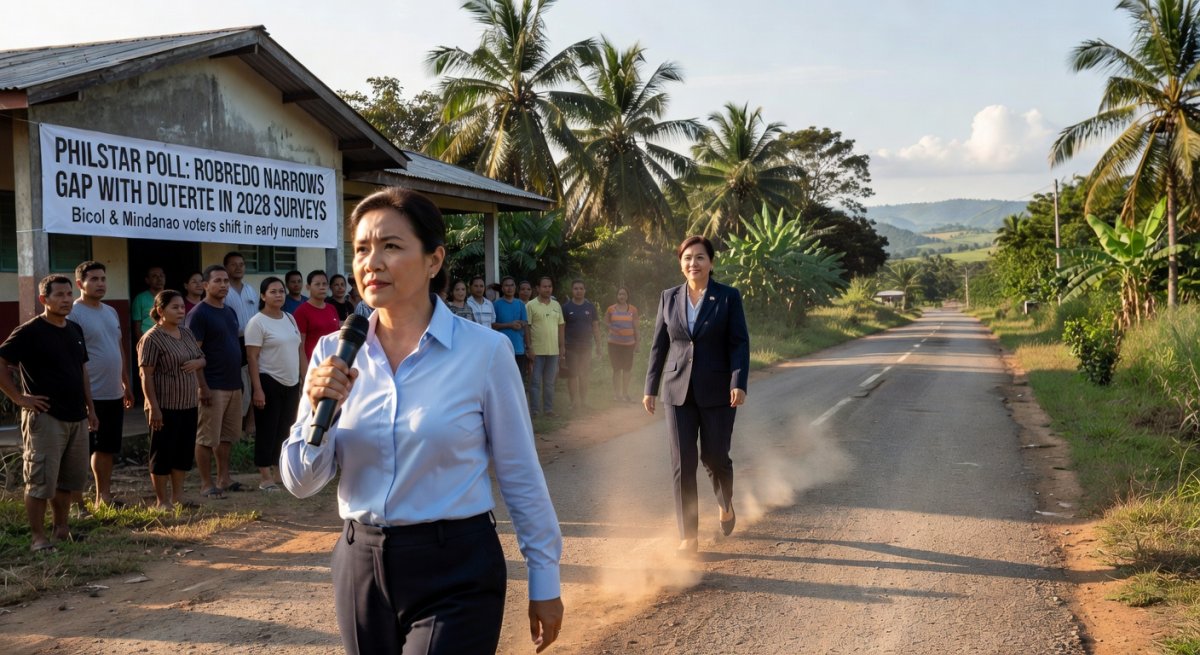
The Hypothetical 2028 Contest Takes Shape
A recent PhilStar poll shows former Vice President Leni Robredo narrowing the gap with Vice President Sara Duterte in early surveys for the next presidential race. The numbers remain far from decisive, yet they reflect how voters in Bicol and parts of Mindanao are already weighing their choices ahead of the 2025 midterms.
Robredo's strength continues to sit in Camarines Sur and other Bicol provinces where her Liberal Party network remains active. Duterte's advantage stays rooted in Davao and wider Mindanao through her PDP-Laban connections and ties to local government officials.
Regional Strongholds and Shifting Alliances
In Camarines Sur, barangay captains who once backed Robredo's 2022 campaign are already mapping out volunteer networks for the next cycle. Local organizers in Naga City report that community health forums and education outreach events organized by Robredo's team have maintained visibility even outside election season.
Duterte's camp continues to hold regular coordination meetings with mayors and governors in Mindanao, where her father, former President Rodrigo Duterte, built a political machinery that has delivered consistent results in local and national elections. Alliance-building remains a year-round effort in the region, where personal relationships often determine which candidates gain access to community halls and church networks during campaign periods.
Issues Driving Voter Sentiment
Across the archipelago, everyday concerns shape how voters perceive potential leaders. The price of rice and fuel continues to dominate household conversations from sari-sari store counters in Quezon City to wet market stalls in Iloilo City. Families in typhoon-prone areas like Eastern Visayas and the Bicol Region watch closely for which candidates prioritize disaster preparedness funding and rapid response systems.
Health care access remains a pressing issue, particularly in provinces where public hospitals face staffing shortages and equipment gaps. Education budgets and teacher salaries also register as priority concerns for parents who want their children to have opportunities beyond elementary-level employment. Candidates who articulate clear plans on these bread-and-butter issues tend to gain traction in communities that feel overlooked by Metro Manila-centered political discourse.
The Broader Political Landscape
The hypothetical 2028 race unfolds against a backdrop of ongoing political developments. The Commission on Elections is preparing for the 2025 midterm elections, which will test new voting systems and campaign finance transparency measures. Discussions around Charter change have divided lawmakers, with some pushing for constitutional reforms while others warn against opening the document to revisions that could benefit entrenched political families.
The Maharlika Investment Fund and the handling of the West Philippine Sea situation continue to shape public perceptions of governance. Voters in coastal communities in Palawan and Zambales pay close attention to how the administration navigates territorial disputes, while overseas Filipino workers monitor economic policies that affect remittance costs and consular services abroad.
What the Numbers Mean for Ordinary Filipinos
For the average Filipino voter, poll movements between two prominent political figures signal more than a horse race. They indicate which messages are resonating and which issues are motivating communities to pay attention. In Tondo and San Juan, jeepney drivers discuss candidates based on who they believe will address transportation franchise reforms. In Cebu and Bacolod, small business owners track candidates' stances on local taxation and business permit processing.
OFW families in Pampanga and Ilocos follow campaign developments through video calls with relatives abroad, sharing news about which candidates have visited their provinces and what promises were made. Women leaders in community-based organizations evaluate candidates based on track records in maternal health programs, daycare center funding, and anti-discrimination ordinances.
Looking Ahead
The 2025 midterm elections will serve as a key indicator of shifting political winds. Local races often foreshadow national trends, and the performance of allied candidates will shape strategies for both camps. Party switching and coalition realignments are expected in the months following the midterms, as politicians position themselves for the approaching presidential contest.
For now, the survey serves as an early snapshot of a race still years from Election Day. What remains clear is that Filipino voters are watching closely, weighing not just family names but real records of service, crisis response, and community engagement. The narrowing gap between Robredo and Duterte suggests that the 2028 election will be shaped by sustained organizing as much as by political dynasties.
By Bella Reyes, Staff Writer
This article was produced with AI-assisted research and editorial support. Reporting is based on sources cited in the article.
What's Your Reaction?
 Like
0
Like
0
 Dislike
0
Dislike
0
 Love
0
Love
0
 Funny
0
Funny
0
 Wow
0
Wow
0
 Sad
0
Sad
0
 Angry
0
Angry
0

Philippines/Southeast Asia Correspondent at Global1.News. Manila-based journalist covering Philippine politics, environment, maritime security, and social issues. Passionate about marine conservation and the communities protecting the Philippines' natural heritage.











Comments (0)