
Lebanon Under Fire: Israel's Expanding Operations and the Limits of Global Restraint
Between March 2 and early June 2026, Israel's large-scale military offensive in Lebanon resulted in nearly 3,400 deaths and more than 10,000 injuries according to official Lebanese figures. Over one million civilians were displaced, representing more than 20 percent of the country's population. Villages and towns along the southern border were systematically razed, with residen
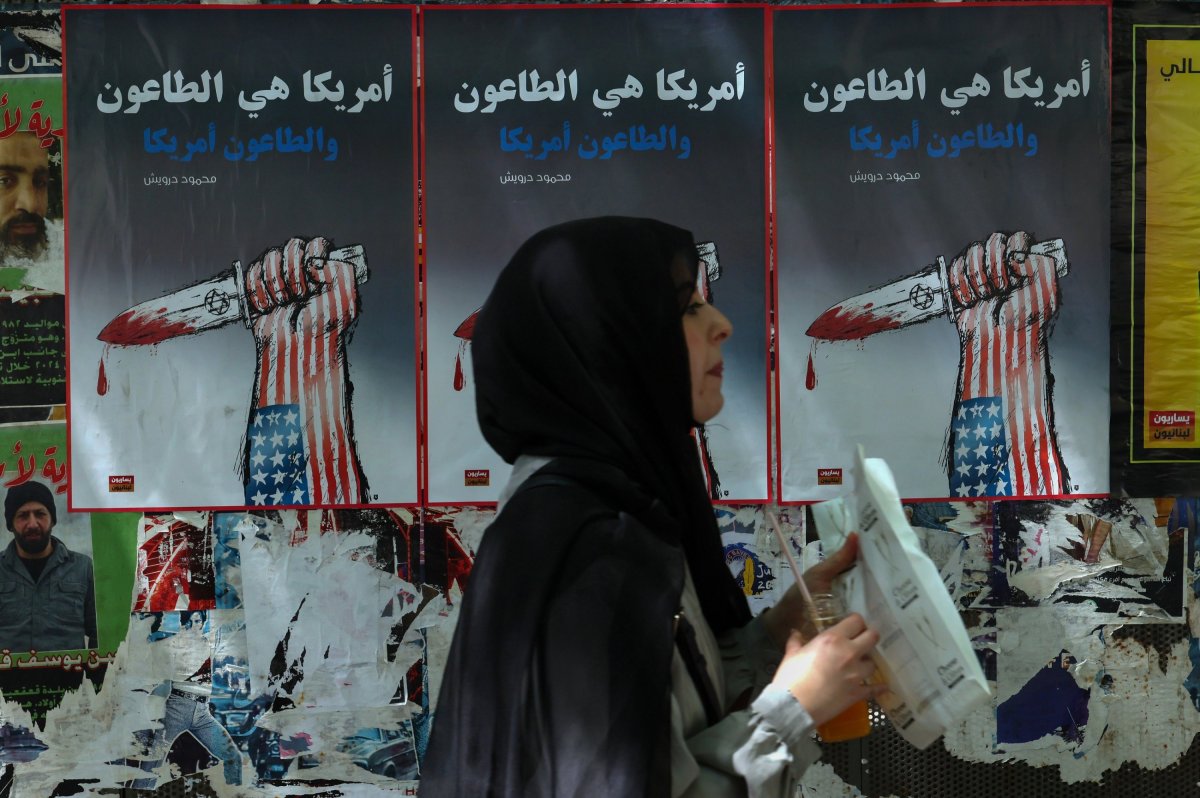
Between March 2 and early June 2026, Israel's large-scale military offensive in Lebanon resulted in nearly 3,400 deaths and more than 10,000 injuries according to official Lebanese figures. Over one million civilians were displaced, representing more than 20 percent of the country's population. Villages and towns along the southern border were systematically razed, with residents ordered to move northward under bombardment and without established safe corridors.
These actions followed a cease-fire declared on April 16 that had been brokered by the United States. Despite that agreement, more than 1,000 additional people were killed by Israeli strikes in the weeks that followed. By May 31, Israeli forces had launched their broadest ground offensive in Lebanon in decades.
Lebanon Under Fire: Israel's Expanding Operations and the Limits of Global Restraint
Beirut, Lebanon – June 11, 2026 — The pattern observed in Lebanon mirrors the approach previously documented in Gaza over a two-year period. Both cases involved indiscriminate bombing of densely populated civilian areas, large-scale forced displacement, and the destruction of civilian infrastructure including health facilities. Journalists documenting events were also targeted in both theaters.
Parallels with Operations in Gaza
The pattern observed in Lebanon mirrors the approach previously documented in Gaza over a two-year period. Both cases involved indiscriminate bombing of densely populated civilian areas, large-scale forced displacement, and the destruction of civilian infrastructure including health facilities. Journalists documenting events were also targeted in both theaters.
Since October 2023, more than 260 journalists and media workers have been killed by Israeli forces, with at least 210 deaths recorded in Gaza and 14 in Lebanon. On March 28, three journalists were killed in the Jezzine area while traveling in a clearly marked vehicle. United Nations experts described these incidents as part of an effort to limit reporting on events on the ground.
Statements by Israeli Leadership
On May 31, Prime Minister Benjamin Netanyahu directed the military to expand operations in Lebanon. Israeli forces subsequently seized Beaufort Castle, marking their deepest incursion into Lebanese territory in twenty-five years and raising the Israeli flag over the site. Netanyahu had previously pledged to create a security buffer zone in southern Lebanon that would expel civilians and render large areas uninhabitable.
Defense Minister Israel Katz ordered the destruction of civilian homes in depopulated zones and explicitly referenced the ethnic cleansing of Shiite Lebanese communities from southern Lebanon. Lebanese Prime Minister Nawaf Salam characterized the overall approach as a scorched-earth policy.
Destruction of Infrastructure and Displacement Orders
Euro-Med Human Rights Monitor documented the use of explosives and land-clearing equipment to level entire residential neighborhoods, infrastructure, and key facilities. Evacuation orders covered more than 14 percent of Lebanese territory and affected over 125 villages. United Nations investigators classified these measures as forced displacement intended to prevent future returns.
The strategy appears designed to alter the landscape permanently, making affected areas uninhabitable. This punitive element distinguishes the campaign from purely military objectives and aligns with statements from Israeli officials about long-term demographic change in the south.
International Reactions and U.S. Role
The United States has continued to supply ammunition, intelligence, and surveillance technology while providing diplomatic cover at the United Nations Security Council through vetoes of cease-fire resolutions. International responses have largely consisted of verbal condemnations without accompanying enforcement measures.
Euro-Med Human Rights Monitor warned that repeated statements of concern without practical deterrent steps or accountability mechanisms have created an environment of systemic impunity. The same pattern of limited action that accompanied events in Gaza has been repeated in Lebanon.
Strategic Implications for Regional Stability
The offensive extends beyond immediate security concerns and points toward a broader effort to reshape territory along Lebanon's southern border. By combining ground incursions, infrastructure destruction, and explicit demographic goals, the campaign risks entrenching long-term instability in a country already facing severe economic and political pressures.
Continued displacement of Shiite communities and the absence of guaranteed return pathways could alter local demographics and intensify sectarian tensions. The lack of effective international pushback suggests that similar operations may face few constraints in the future, affecting calculations across the wider region.
By Malik Hassan, Staff Writer
This article was produced with AI-assisted research and editorial support. Reporting is based on sources cited in the article.
What's Your Reaction?
 Like
0
Like
0
 Dislike
0
Dislike
0
 Love
0
Love
0
 Funny
0
Funny
0
 Wow
0
Wow
0
 Sad
0
Sad
0
 Angry
0
Angry
0

India/South Asia Correspondent at Global1.News. Analytical voice with a background in science and health journalism. Based in New Delhi, covering Indian politics, education, healthcare, technology, and policy. Breaks down complex data into clear, actionable reporting.










Comments (0)