
Killings of Environment Defenders Hit Record High in Latin America
In March 2026, as Honduras marked the tenth anniversary of Berta Cáceres's assassination, another defender in Ecuador was found dead after exposing corruption in carbon offset projects. These deaths form part of a chilling pattern: at least 120 assassinations and disappearances across Latin America in 2024 alone. Killings of Environment Defenders Hit Record High in Latin Americ
In March 2026, as Honduras marked the tenth anniversary of Berta Cáceres's assassination, another defender in Ecuador was found dead after exposing corruption in carbon offset projects. These deaths form part of a chilling pattern: at least 120 assassinations and disappearances across Latin America in 2024 alone.
Killings of Environment Defenders Hit Record High in Latin America
São Paulo, Brazil – June 13, 2026 — Latin America accounted for 82 percent of all global environmental defender killings in 2024, according to the latest Global Witness report. At least 120 defenders were assassinated or disappeared in the region that year, out of roughly 146 cases worldwide. The numbers expose a crisis driven by illegal mining, logging, coca production, and expanding agribusiness frontiers. Indigenous and Afro-descendant communities bear the brunt, representing nearly two-thirds of victims. Impunity rates above 90 percent in most countries allow the violence to continue unchecked. From Colombia's Pacific coast to the Brazilian Amazon and Honduran mountains, defenders face bullets, threats, and forced disappearance while protecting forests, rivers, and ancestral lands. The 2025 Global Witness edition and Indepaz tracking show the toll rising further, with 185 social leaders killed in Colombia alone that year. This is not random crime; it is the systematic elimination of those standing in the way of powerful economic interests.
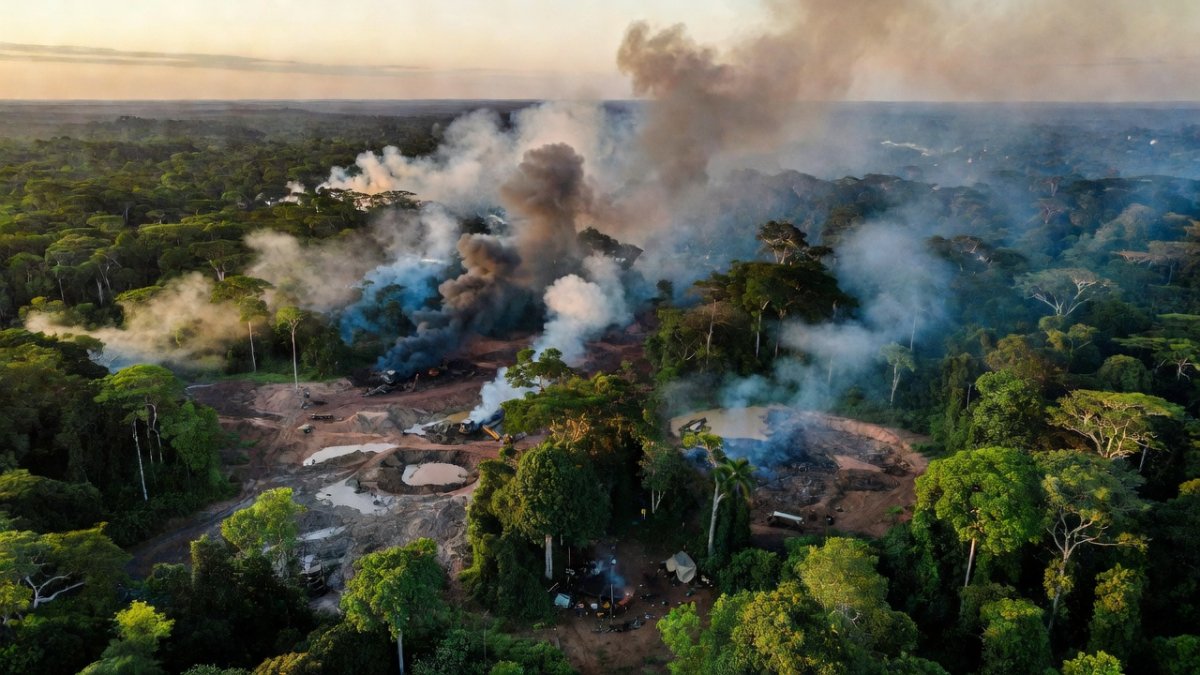
Global Witness Report Data Reveals Scale of Crisis
The 2025 Global Witness Defenders report documents a grim milestone. Latin America recorded 120 killings and disappearances in 2024, representing 82 percent of the global total of approximately 146 cases. Over 2,000 land and environmental defenders have been killed worldwide between 2012 and 2024. In 2023 the global figure reached 196, with Latin America accounting for 166 of those deaths. The previous year, 2022, saw 177 killings globally, nearly 90 percent concentrated in Latin America. These figures come from rigorous verification by Global Witness, cross-checked with Front Line Defenders and ACLED conflict data. The 2025 edition highlights how Colombia, Guatemala, and Mexico together drove the majority of regional deaths. Indepaz in Colombia separately reported 185 social leader assassinations in 2025, pushing cumulative tallies higher. Mongabay Latam and InSight Crime have mapped how organized crime networks exploit weak state presence. The data shows no sign of decline; instead, new drivers such as carbon offset schemes are emerging alongside traditional threats. Every statistic represents a life lost while defending ecosystems that regulate global climate and biodiversity. The report calls the situation a human rights emergency that demands immediate international attention and accountability mechanisms.
Colombia Remains the Epicenter of Defender Assassinations
Colombia led the world with approximately 48 cases in 2024, nearly one-third of the global total. Between 2024 and mid-2025, tallies reached 235 environmental defenders killed, according to combined Global Witness and Indepaz monitoring. Illegal mining, coca cultivation, and logging operations drive the majority of attacks. Paramilitary groups and criminal organizations target community leaders who oppose land grabs in the Pacific region, Cauca, and Putumayo. The country's weak state presence in rural areas allows these networks to operate with near-total freedom. Indepaz data shows that social leaders working on environmental issues face higher risks than those in other sectors. Many victims had previously reported threats to authorities without receiving protection. The pattern repeats across departments where agribusiness expansion collides with Afro-descendant and Indigenous territories. Despite international scrutiny, conviction rates remain below 10 percent. Colombia's position at the top of global lists has persisted for years, reflecting deep structural problems rather than isolated incidents. The 48 cases in 2024 alone demonstrate that current protection programs fail to deter perpetrators backed by powerful economic interests.
Brazil's Amazon Faces Intensifying Attacks on Defenders
Brazil recorded 342 lethal attacks against land and environmental defenders between 2012 and 2024, according to Global Witness cumulative data. Violence centers on the Amazon, where Indigenous communities resist garimpo illegal mining, cattle ranching, and soy expansion. Defenders opposing these activities receive death threats, face forced evictions, and suffer targeted killings. The Brazilian Amazon's vast territory and limited federal enforcement create ideal conditions for criminal networks. In 2024, several high-profile cases involved leaders from the Munduruku and Yanomami territories who had denounced mercury contamination from mining operations. State complicity, whether through inaction or direct involvement of local officials, compounds the danger. The violence has accelerated under pressure from commodity markets and infrastructure projects. Global Witness notes that Brazil consistently ranks among the deadliest countries for defenders, second only to Colombia in recent years. Communities attempting to monitor deforestation or establish sustainable livelihoods encounter armed groups protecting illegal economic activities. The cumulative toll of 342 deaths over twelve years reveals a sustained campaign against those safeguarding the world's largest rainforest.
Central America Continues Deadly Pattern in Honduras and Mexico
Honduras marked the tenth anniversary of Berta Cáceres's 2016 assassination in March 2026, yet the GIEI independent expert report showed that broader power structures behind her killing remain intact. Thirty-nine defenders were killed in Honduras between 2022 and 2025. The 2026 arrests in the Juan López case offered rare accountability, but most families still wait for justice. Mexico sees 15 to 20 land defenders killed annually. Roberto Chávez in Michoacán was murdered while opposing illegal logging, and Nazaret Cortés Velasco was killed in Oaxaca under similar circumstances. Guatemala recorded roughly 20 cases in 2024, while Mexico followed with 18 to 19. These Central American nations share patterns of hydroelectric dam conflicts, palm oil expansion, and drug trafficking corridors that place defenders in direct confrontation with armed actors. Weak judicial systems and corruption allow perpetrators to evade prosecution. The anniversary of Berta Cáceres's death served as a reminder that international attention has not translated into structural change. Families across the region continue to live under threat while demanding protection and investigation of past crimes.
Root Causes Drive Systematic Violence Across Region
Illegal mining, particularly garimpo operations in Brazil and Colombia, ranks among the primary drivers of defender killings. Logging, cattle ranching, and palm oil plantations create additional flashpoints where communities resist land conversion. Coca production and drug trafficking routes overlap with environmental conflicts, bringing armed groups into territories already under pressure. Hydroelectric dams and large infrastructure projects have displaced communities and triggered targeted violence. Emerging carbon offset schemes now represent a new threat, as seen in the Ecuador case where a defender exposing corruption was killed. Powerful economic interests, organized crime, and paramilitary structures operate with significant resources and political connections. Weak state presence in remote areas allows these actors to control territory and silence opposition. In many instances, state complicity through corruption or neglect enables the violence. The combination of these factors creates an environment where defending land and forests becomes a lethal activity. Data from InSight Crime and ACED shows how criminal economies intersect with legal agribusiness to multiply risks for local leaders.
Indigenous and Afro-Descendant Communities Bear Disproportionate Burden
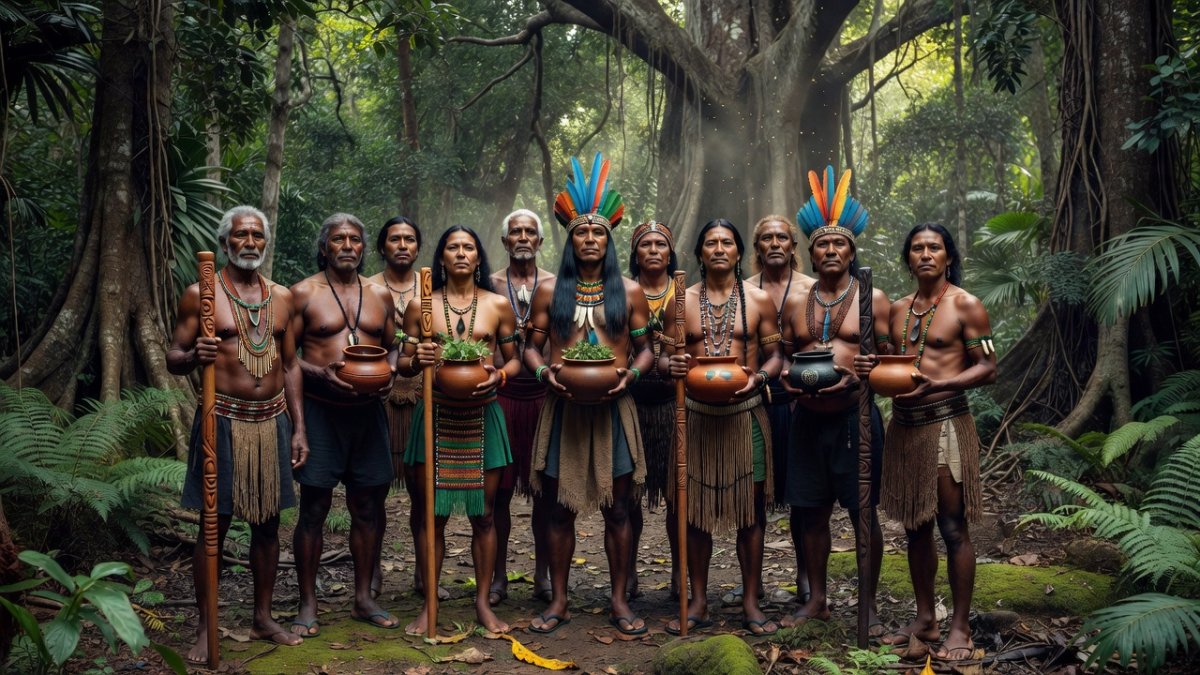
Indigenous and Afro-descendant defenders account for approximately two-thirds of all victims across Latin America. These communities hold ancestral territories rich in minerals, timber, and biodiversity, making them primary targets for extraction. In Colombia, Afro-descendant leaders in the Pacific region face repeated threats while protecting mangroves and rivers. Brazilian Indigenous groups in the Amazon confront garimpo miners who poison waterways and invade lands. In Peru and Bolivia, Andean and Amazonian defenders encounter similar pressures from mining concessions and infrastructure. The targeting is not accidental; it reflects efforts to remove the most effective obstacles to resource exploitation. Cultural knowledge and collective land governance make these communities central to environmental protection, yet they receive the least state support. Global Witness data consistently shows higher fatality rates among Indigenous defenders compared with other groups. The loss of these leaders threatens not only individual lives but entire knowledge systems and ecosystems. International mechanisms have documented the pattern for years without producing sufficient protection on the ground.
Impunity Rates Above 90 Percent Perpetuate the Cycle
Impunity exceeds 90 percent in most Latin American countries where defenders are killed. Investigations rarely advance beyond initial reports, and convictions remain exceptional. In Colombia, despite specialized units created after peace accords, most cases involving environmental leaders stall. Honduras has seen limited progress even after high-profile international pressure following Berta Cáceres's murder. Mexico's judicial system struggles with organized crime infiltration that protects perpetrators. This systemic failure signals to criminal networks that attacks carry minimal risk. Families of victims often face further threats when they pursue justice, creating a chilling effect on reporting. Front Line Defenders and Global Witness have repeatedly called for independent investigations and protection programs with real enforcement power. Without accountability, the killing rate continues at record levels. The 120 cases in 2024 and additional deaths in 2025 demonstrate that current national and international responses are inadequate. Impunity transforms individual murders into a sustained strategy of territorial control.
The Bottom Line — What Comes Next
Addressing the crisis requires coordinated action beyond statements of concern. Governments must implement effective protection measures, prosecute intellectual authors of attacks, and dismantle criminal networks tied to environmental destruction. International donors should condition funding on verifiable reductions in impunity and threats. Indigenous and Afro-descendant organizations need direct resources and decision-making power over their territories. Strengthened monitoring by Global Witness, Indepaz, and ACLED can track progress, but data alone will not stop bullets. The 2,000-plus deaths since 2012 represent a failure of governance that affects global climate stability. Latin America's forests and rivers cannot be defended by communities left exposed. Concrete steps—specialized courts, asset seizures from criminal enterprises, and binding corporate due diligence—offer pathways forward. Without urgent structural change, the record numbers of 2024 will become the new baseline rather than an alarm bell. The lives of defenders depend on whether states and international actors finally treat these killings as the emergency they represent.
By Elena Vasquez, Staff Writer
This article was produced with AI-assisted research and editorial support. Reporting is based on sources cited in the article.
What's Your Reaction?
 Like
0
Like
0
 Dislike
0
Dislike
0
 Love
0
Love
0
 Funny
0
Funny
0
 Wow
0
Wow
0
 Sad
0
Sad
0
 Angry
0
Angry
0

Latin America Correspondent at Global1.News. Based in Mexico City, covering politics, economics, energy, and culture across the region. Brings an on-the-ground perspective to stories spanning from the Rio Grande to Patagonia.














Comments (0)