
Two Bombs Explode in Damascus During Macron's State Visit to Syria
<p>The i24NEWS English YouTube video titled "Two bombs explode in Damascus as French President Macron visits Syria" captures the immediate aftermath of the July 7, 2026, explosions near the Four Seasons Hotel, showing Syrian security personnel cordoning off streets while Macron's motorcade had already departed the area minutes earlier.</p> <hr> <p><strong>Two Bombs Explode in Damascus During Macron's State Visit to Syria</strong></p> <p><strong>Jerusalem, Israel – July 8, 2026</strong> — On Tue

The i24NEWS English YouTube video titled "Two bombs explode in Damascus as French President Macron visits Syria" captures the immediate aftermath of the July 7, 2026, explosions near the Four Seasons Hotel, showing Syrian security personnel cordoning off streets while Macron's motorcade had already departed the area minutes earlier.
Two Bombs Explode in Damascus During Macron's State Visit to Syria
Jerusalem, Israel – July 8, 2026 — On Tuesday, July 7, 2026, two improvised explosive devices detonated near the Four Seasons Hotel in central Damascus, wounding 18 people including four Syrian police officers. One device was placed inside a parked car and the second inside a trash bin, both described by Syrian officials as crude constructions. The blasts occurred just outside the security perimeter established for French President Emmanuel Macron's motorcade, which had left the vicinity moments before.
Details of the Damascus Bombings
Syrian security forces had been actively tracking the devices prior to detonation and the explosions took place during an attempted dismantling operation. No group has claimed responsibility for the attacks. These incidents mark the second and third major blasts in Damascus within less than a week, following a July 2 cafe bombing that killed nine civilians and which France had publicly condemned as a terrorist attack.
The timing of the July 7 explosions, occurring immediately after Macron's departure, raised immediate questions about coordination and intent among Damascus-based observers. Syrian authorities confirmed that the devices were not sophisticated enough to penetrate the inner security ring but still caused significant disruption in a high-profile diplomatic zone. Local hospitals reported treating shrapnel injuries and blast-related trauma among bystanders and officers on duty.
Investigators from Syria's Interior Ministry continue to examine remnants of the car-borne device and the trash-bin explosive for forensic clues. The absence of any claim of responsibility has left open multiple possibilities regarding the perpetrators, though the attacks coincide with heightened regional tensions involving multiple state and non-state actors operating inside Syria.

Macron's Landmark Visit to Post-Assad Syria
Emmanuel Macron became the first Western leader to visit Syria since Ahmed al-Sharaa assumed power in 2025. His arrival also marked the first visit by a French president to Damascus in 18 years, signaling a potential shift in European engagement with the new Syrian leadership. The visit focused on discussions about reconstruction aid and Syria's reintegration into international forums.
Following the explosions, Macron posted on X that "Nothing can smother the aspiration of Syrian women and men..." emphasizing continued support for civilian aspirations despite security challenges. French officials accompanying the president stressed that the visit would proceed as planned, with additional security measures implemented after the blasts. The French delegation met with al-Sharaa and senior ministers to discuss bilateral cooperation.
France's decision to engage directly with the post-Assad government reflects Paris's interest in positioning itself as a key Western interlocutor. Macron's team highlighted opportunities for French companies in infrastructure projects, while Syrian officials sought technical assistance for stabilizing state institutions. The visit occurred against the backdrop of Syria's ongoing efforts to secure international legitimacy and funding for reconstruction.
Diplomatic sources in Damascus noted that Macron's presence carried symbolic weight beyond immediate security concerns. The French president toured several sites damaged in previous conflicts and held closed-door sessions with economic advisors from both countries. These meetings addressed potential pathways for lifting remaining sanctions tied to the previous regime.
Al-Sharaa's Appeal for French Intervention Against Israel
During bilateral talks, Ahmed al-Sharaa called for an active French role to halt what he described as "systematic Israeli attacks" on Syrian territory. Al-Sharaa specifically referenced repeated Israeli airstrikes targeting Iranian-linked sites across Syria since the change in government. Syrian officials framed these strikes as violations of sovereignty that required international diplomatic pressure.
Israel has conducted numerous airstrikes on facilities believed to house Iranian weapons transfers and proxy forces inside Syria. The Israel Defense Forces maintain that such operations prevent the establishment of new threats along the northern border. Al-Sharaa's public request to Macron positioned France as a potential mediator capable of influencing Israeli policy through European channels.
French diplomats responded cautiously to the appeal, noting that any discussion of Israeli security operations would require separate consultations with Israeli counterparts. Macron's office emphasized that the primary purpose of the visit remained focused on Syrian internal stabilization rather than regional military dynamics. Nevertheless, the request highlighted Syria's desire to leverage new diplomatic relationships against ongoing Israeli actions.
Regional analysts observed that al-Sharaa's outreach to France represents an attempt to internationalize concerns over Israeli strikes. Syrian state media broadcast portions of the meeting in which al-Sharaa urged Macron to raise the issue at upcoming European Union gatherings. This approach aligns with Damascus's broader strategy of seeking reconstruction aid while simultaneously addressing security grievances.

Israel's Security Calculus on the Northern Border
The Israel Defense Forces continue to view post-Assad Syria as a potential vacuum that could be exploited by Iran or extremist groups. Israeli military planners monitor developments in Damascus closely, particularly any signs of renewed Iranian entrenchment near the Golan Heights. The UNDOF peacekeeping force maintains its buffer zone mandate along the 1974 disengagement line, though its effectiveness depends on cooperation from all parties.
Communities in Israel's northern border region, including those in the Golan Heights and Upper Galilee, remain sensitive to any instability emanating from Syria. The July 7 bombings in Damascus occurred against this backdrop of heightened vigilance, with Israeli security agencies tracking cross-border movements and potential spillover effects. Israel's Foreign Ministry and Prime Minister's Office maintain dedicated teams monitoring Syrian developments on a daily basis.
No direct statement from Israeli officials has linked the Damascus blasts to any specific actor or to the broader pattern of Israeli airstrikes. Defense officials instead reiterated standing policy that Israel will act to prevent threats regardless of the government in Damascus. This approach reflects long-standing concerns about weapons proliferation and militant infrastructure near the border.
Israeli analysts note that the power transition in Syria has not eliminated the underlying risks that prompted previous military operations. The IDF maintains surveillance assets and rapid-response capabilities along the frontier, prepared for scenarios ranging from Iranian resupply attempts to localized militant activity. Coordination with UNDOF continues through established channels to manage routine incidents.
Wider Regional Dynamics: NATO Summit and Beyond
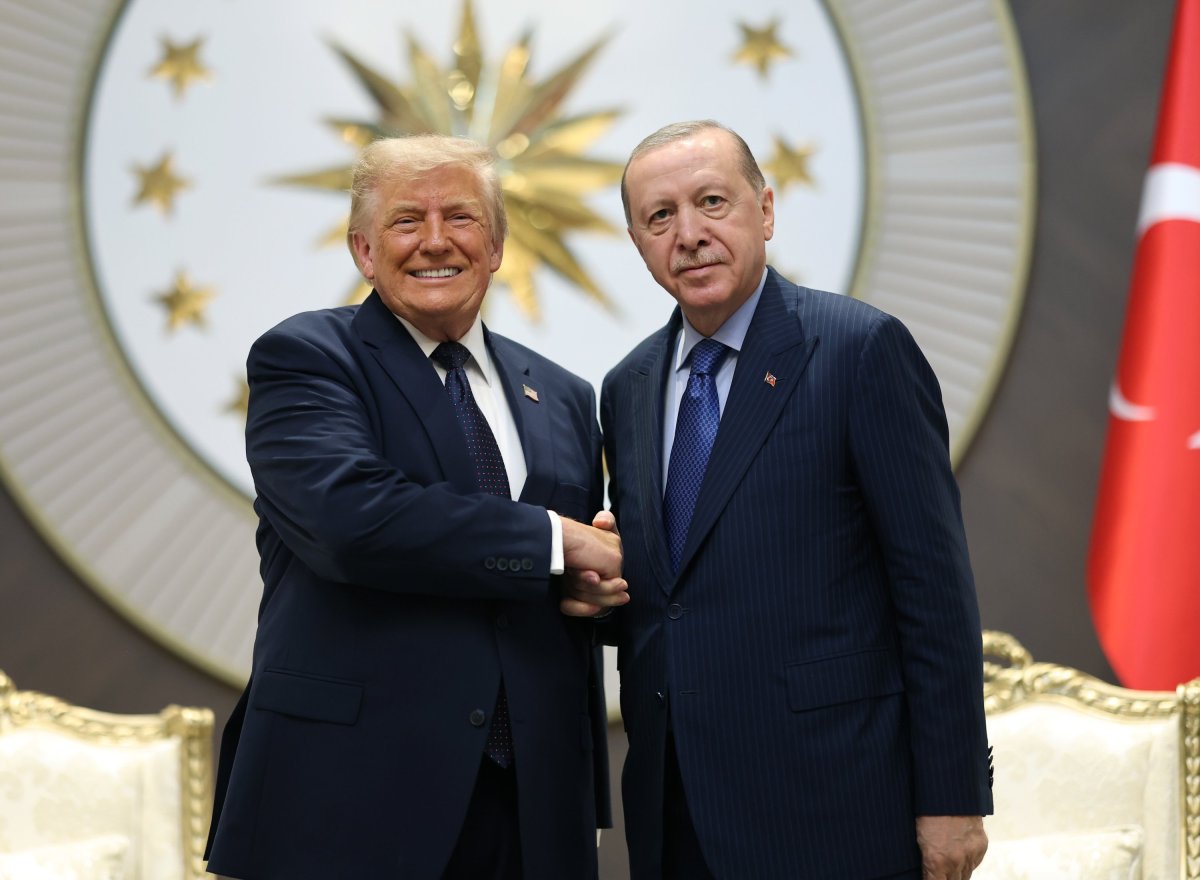
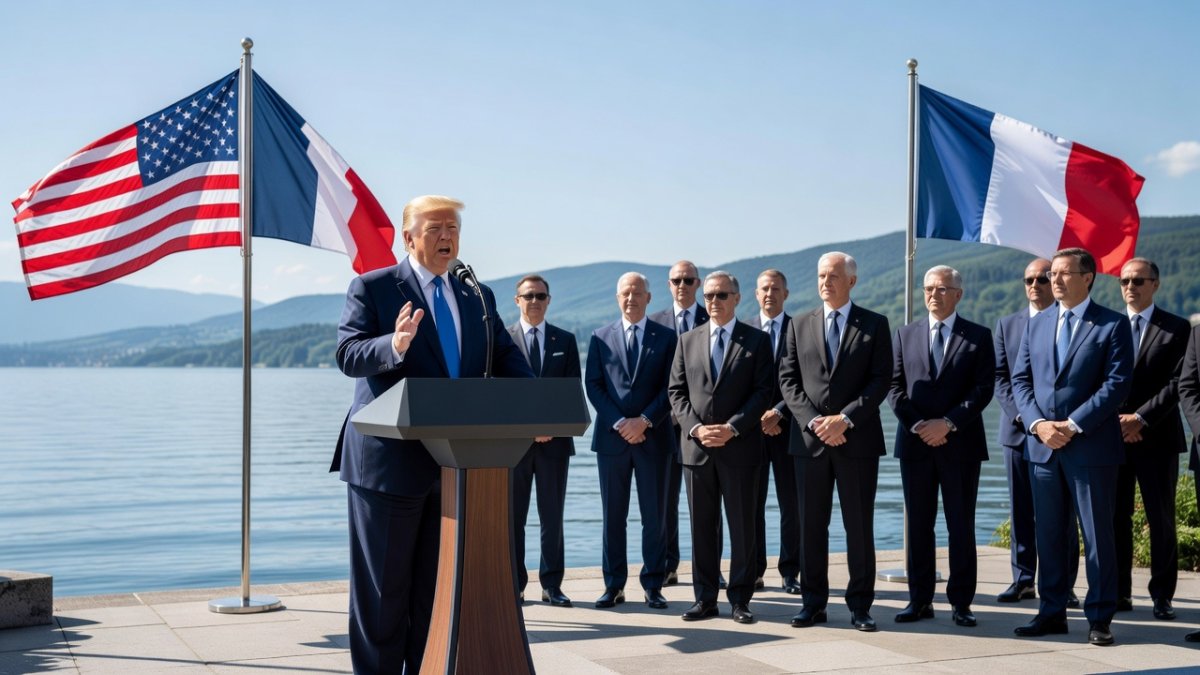
The NATO summit taking place concurrently in Ankara has drawn attention from Israeli observers tracking how Western allies balance engagement with Syria against other regional priorities. Turkish officials hosting the gathering have emphasized counterterrorism cooperation, while U.S. President Donald Trump stated he would "certainly consider" selling F-35 aircraft to Turkey during bilateral discussions on the sidelines.
Israel's security establishment follows these Ankara talks for any implications regarding arms flows or alliance realignments that could affect the Syrian theater. The presence of multiple NATO members in Turkey provides a forum for informal consultations on Syria's trajectory, though no formal agenda item addresses the Damascus bombings directly. Israel's diplomatic channels remain active in relaying concerns about Iranian activities to partner capitals.
Syria under al-Sharaa continues to pursue international legitimacy and reconstruction financing from European and Gulf sources. France's role as a potential mediator between Western governments and the new Syrian leadership offers one avenue for such engagement. Macron's visit demonstrated willingness in Paris to test this approach despite security incidents.
Regional powers including Turkey, Iran, and Gulf states maintain their own interests in Syria's stabilization process. The NATO summit in Ankara serves as a reminder that broader alliance dynamics intersect with local Syrian developments, influencing everything from arms sales to diplomatic recognition. Israeli policymakers assess these interactions for signs of shifting red lines regarding Iranian presence.
What Comes Next for Syria and the Region
Syrian authorities have pledged to accelerate investigations into the July 7 bombings while continuing reconstruction planning with French technical support. Al-Sharaa's government seeks to demonstrate control over security in Damascus to attract further international investment. The recent string of attacks, however, underscores persistent challenges in consolidating authority across the country.
For Israel, the combination of a new Syrian leadership and ongoing security incidents reinforces the need for sustained monitoring of the northern border. The absence of any official Israeli comment directly tying the blasts to its own operations leaves room for continued behind-the-scenes diplomacy. Israel's Foreign Ministry continues to brief European partners on threats posed by Iranian networks inside Syria.
France's engagement with Damascus may evolve depending on how effectively the al-Sharaa government manages internal security and addresses Western concerns about governance. Macron's post on X following the explosions signaled that Paris intends to maintain its diplomatic opening despite the risks. Future visits and aid packages will likely depend on measurable progress in these areas.
Regional stability remains tied to how multiple actors, including Israel, navigate the post-Assad landscape. The Golan Heights buffer zone monitored by UNDOF continues to serve as a critical line of separation, while northern Israeli communities watch developments in Damascus with direct implications for daily security assessments. The coming weeks will test whether Macron's visit produces tangible movement on reconstruction or merely highlights the persistent volatility along Israel's northern frontier.
By Hannah Berg, Staff WriterWhat's Your Reaction?
 Like
0
Like
0
 Dislike
0
Dislike
0
 Love
0
Love
0
 Funny
0
Funny
0
 Wow
0
Wow
0
 Sad
0
Sad
0
 Angry
0
Angry
0







Comments (0)