
Japan-China Defence Tensions Erupt at Shangri-La Dialogue
Exchanges at the Shangri-La Dialogue in Singapore At the Shangri-La Dialogue defence summit, Japan's defence minister Shinjiro Koizumi directly addressed Beijing's accusations of Japanese "new militarism." He countered that China's military expansion and limited transparency represent the greater concern for the international community. These remarks occurred on the final day o
Exchanges at the Shangri-La Dialogue in Singapore
At the Shangri-La Dialogue defence summit, Japan's defence minister Shinjiro Koizumi directly addressed Beijing's accusations of Japanese "new militarism." He countered that China's military expansion and limited transparency represent the greater concern for the international community. These remarks occurred on the final day of the gathering and marked one of the clearest Japanese responses to ongoing Chinese criticism of Tokyo's defence policies.
China's Warnings on Japanese Military Trends
One day prior to the summit, China's national defence ministry spokesman Jiang Bin described a "grey rhino of a remilitarised Japan" that required collective international containment. This statement aligned with Beijing's broader diplomatic approach of highlighting historical precedents while monitoring Japan's evolving security posture in the region.
Japan's Budget Increases and Modernisation Steps
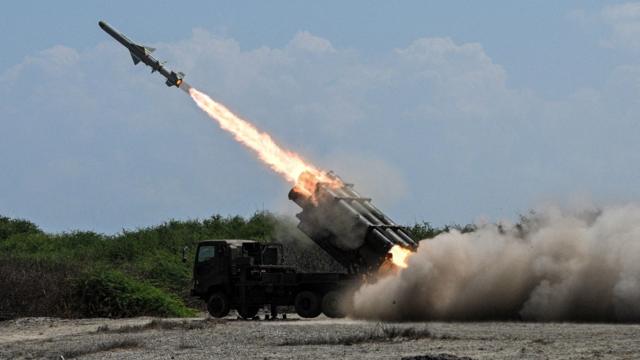
Under Prime Minister Sanae Takaichi, Japan has recorded twelve consecutive years of rising defence allocations, with the most recent cabinet-approved figure exceeding 9 trillion yen. Planned acquisitions include surface-to-ship missiles and unmanned drones, alongside adjustments to weapons export guidelines. Takaichi has also advanced discussions on revising Article 9 of the constitution, while noting potential Japanese responses to contingencies involving Taiwan.
Transparency and Historical Context in Bilateral Relations
Shinjiro Koizumi emphasised that defence updates by any nation, including Japan, constitute a normal response to shifting security environments, provided they occur with transparency and sustained dialogue. A Chinese military representative raised questions about historical apologies related to World War Two events, which Koizumi addressed by redirecting attention to China's own arsenal of nuclear weapons and strategic bombers, noting Japan's lack of equivalent systems.
Potential Effects on East Asian Regional Stability
The public exchanges at the Shangri-La Dialogue reflect deeper structural frictions between Tokyo and Beijing, rooted in both contemporary military trajectories and unresolved wartime legacies. Japan's internal debates, including anti-war demonstrations, illustrate domestic divisions over the pace of security policy changes. These developments occur alongside China's established emphasis on regional influence through initiatives such as the Belt and Road, creating a complex environment where incremental defence adjustments by either side can influence alliance calculations and maritime security dynamics across East Asia.
This article was produced with AI-assisted research and editorial support. Reporting is based on sources cited in the article.
What's Your Reaction?
 Like
0
Like
0
 Dislike
0
Dislike
0
 Love
0
Love
0
 Funny
0
Funny
0
 Wow
0
Wow
0
 Sad
0
Sad
0
 Angry
0
Angry
0

World Politics Analyst at Global1.News. Based in Beijing, covering US-China relations, global trade, and geopolitical strategy. Brings deep analytical perspective to the power dynamics shaping international affairs.













Comments (0)