
Flight attendants reveal the one thing they wish passengers would stop doing
The Primary Concern Among Flight Attendants Flight attendants have identified touching as the one behaviour they wish passengers would cease. They recommend using the call button or verbal requests when seeking items such as a soda or headphones. Statements from the Jumpseat Chronicles Podcast Three veteran flight attendants named Michelle Montez, Joshua Boyd and Darion Foy add
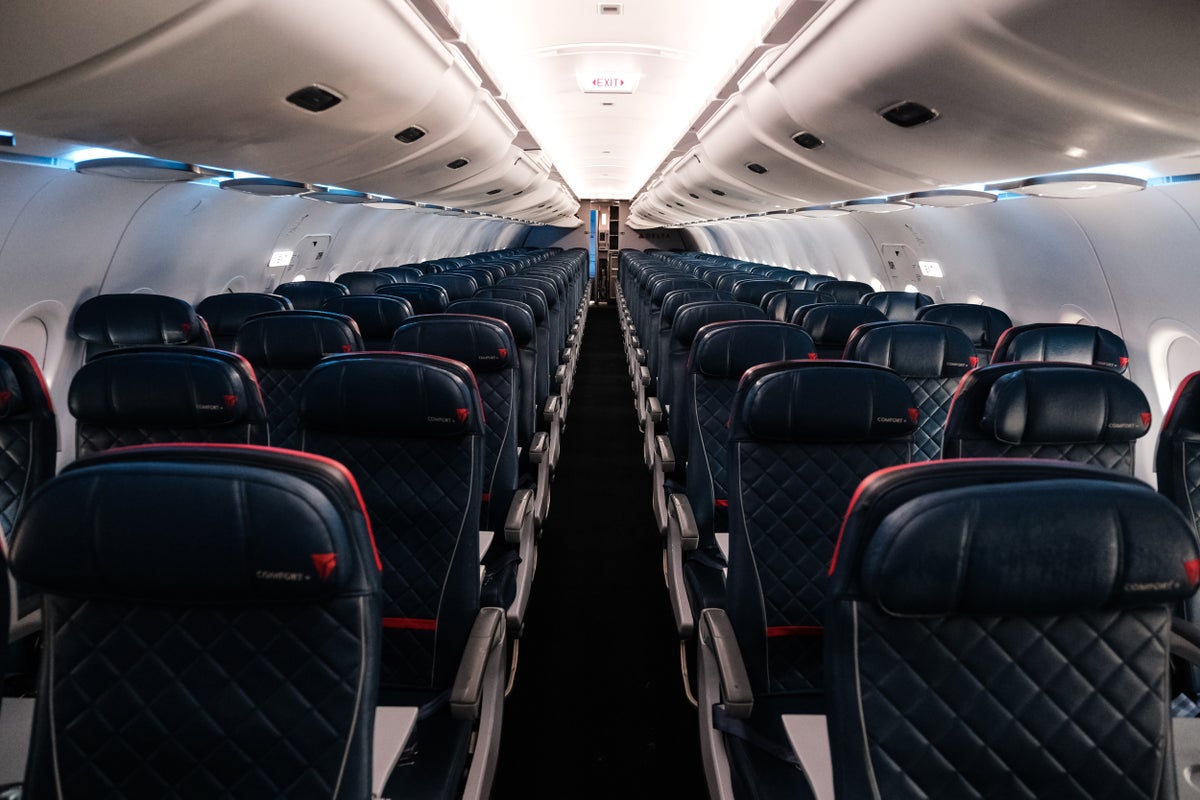
The Primary Concern Among Flight Attendants
Flight attendants have identified touching as the one behaviour they wish passengers would cease. They recommend using the call button or verbal requests when seeking items such as a soda or headphones.
Statements from the Jumpseat Chronicles Podcast
Three veteran flight attendants named Michelle Montez, Joshua Boyd and Darion Foy addressed the matter during a March episode of their Jumpseat Chronicles Podcast. Joshua Boyd described being poked and touched as one of the biggest recurring issues.
Frequency of Unwanted Contact
Darion Foy noted that passengers sometimes poke flight attendants in the butt. Joshua Boyd added that the incidents occur so often that payment of one dollar per occurrence would make them millionaires. Michelle Montez stated that flight attendants do not require physical contact to provide service.
Industry-Wide Nature of the Issue
In an interview with The Washington Post published on Friday, Michelle Montez observed that it is almost a rare occurrence when touching does not happen. Darion Foy confirmed the problem extends across the entire airline sector, stating that any flight attendant from any airline would agree it is something they cannot stand and encounter with insane frequency.
Attempts to Deter Physical Contact
Some flight attendants have worn patches, lanyards or aprons that advise passengers not to touch them. Joshua Boyd indicated that after more than one instance of touching he might respond in a light-hearted manner by expressing appreciation for the desire for attention while noting that verbal communication suffices.
Implications for Airline Passenger Interactions
The accounts illustrate how reliance on physical gestures instead of the call button or spoken requests affects daily operations for cabin crew across multiple carriers. The consistent reports from the podcast and interview point to a pattern that influences standards of conduct between passengers and staff.
By Erica Thornton, Staff WriterThis article was produced with AI-assisted research and editorial support. Reporting is based on sources cited in the article.
What's Your Reaction?
 Like
0
Like
0
 Dislike
0
Dislike
0
 Love
0
Love
0
 Funny
0
Funny
0
 Wow
0
Wow
0
 Sad
0
Sad
0
 Angry
0
Angry
0

US Politics and Policy Correspondent at Global1.News. Based in Washington DC, covering American politics, policy, elections, and the courts. Knows how the system works and tells you what it actually means.














Comments (0)