
Israel's Gantz Defends Military Posture as Fragile Iran Ceasefire Holds and Lebanon Strikes Intensify
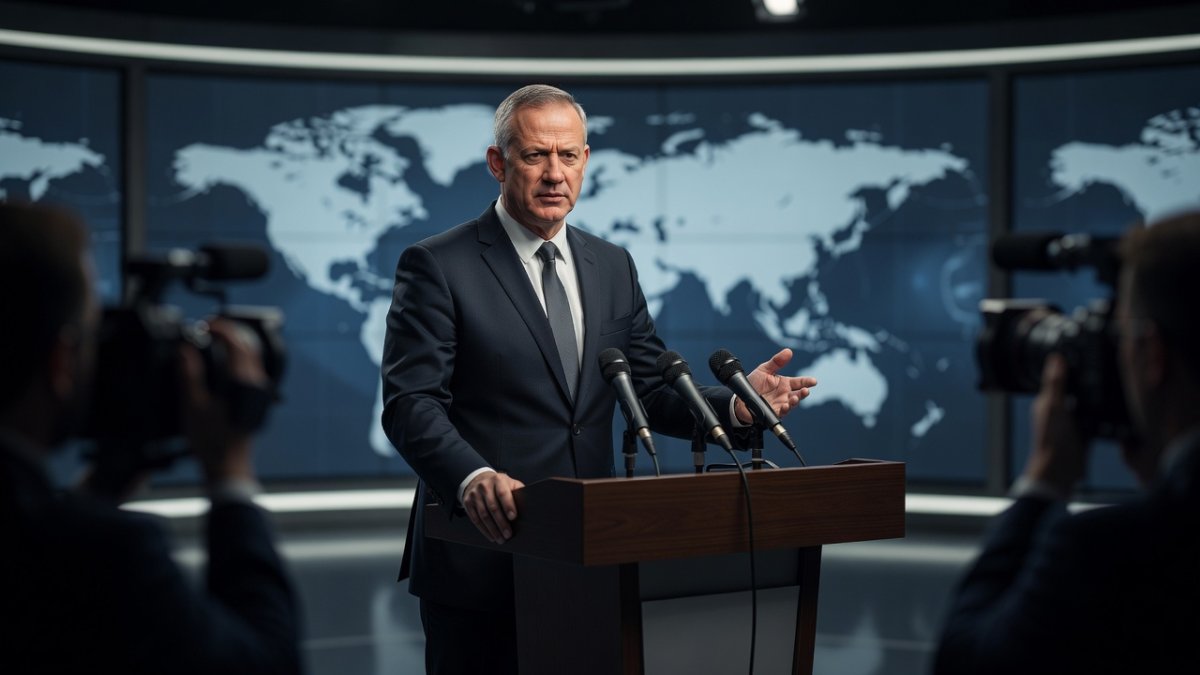
Former Israeli Defense Minister Benny Gantz used his June 9 appearance on Al Arabiya English to assert that Israel faces no moral ambiguity in its current operations. "There Is No RIGHT or WRONG in Israel. There's Just RIGHT & We Are RIGHT!" he stated, framing the ongoing strikes in southern Lebanon and the pause with Iran as necessary security measures directed against what he
Former Israeli Defense Minister Benny Gantz used his June 9 appearance on Al Arabiya English to assert that Israel faces no moral ambiguity in its current operations. "There Is No RIGHT or WRONG in Israel. There's Just RIGHT & We Are RIGHT!" he stated, framing the ongoing strikes in southern Lebanon and the pause with Iran as necessary security measures directed against what he described as existential threats to the Jewish state.
Israel's Gantz Defends Military Posture as Fragile Iran Ceasefire Holds and Lebanon Strikes Intensify
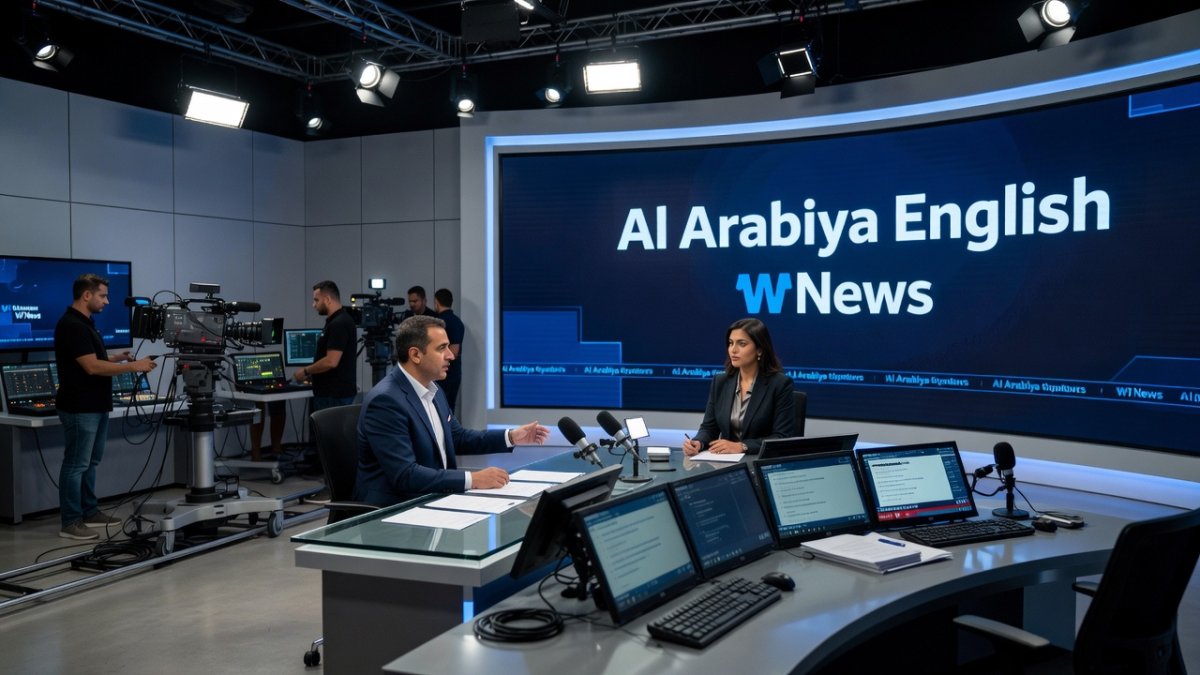
Beirut, Lebanon – June 9, 2026 — The combination of a fragile Iran-Israel ceasefire and intensifying Israeli operations in southern Lebanon presents one of the most complex security landscapes the Middle East has faced since the outbreak of major combat operations in late February. Benny Gantz, the former Israeli Defense Minister and a former member of Israel's war cabinet, used an interview on Al Arabiya English's W News with Jono Hayes to articulate a security-first posture that leaves little room for diplomatic compromise. Speaking alongside former Trump advisor George Papadopoulos, Gantz insisted that Israel's operational choices in both the Iranian and Lebanese theaters are not matters of moral equivalence but of existential necessity.
The Fragile Iran-Israel Ceasefire
The missile exchange between Iran and Israel on June 7-8 represented one of the most direct military confrontations between the two powers in recent history. Both sides agreed to a pause on June 8, but the ceasefire remains tenuous. Israeli defense officials continue to monitor Iranian nuclear facilities and regional proxy networks, while Tehran maintains its own red lines regarding further Israeli or US strikes on its territory or assets. The Islamic Revolutionary Guard Corps, which senior Israeli analysts have described as more hardline than Iran's political leadership, retains significant operational independence that could undermine any diplomatic understandings reached at the political level.
Iran's Foreign Ministry has publicly called for an end to attacks on Lebanon while signaling willingness to maintain the pause with Israel, but the dual-track messaging reflects internal divisions within the Iranian establishment. Sunni Gulf states, particularly Saudi Arabia and the UAE, are watching the situation closely, weighing their own Vision 2030-style economic diversification plans against the risk that renewed Shia-aligned escalation could destabilize the broader Gulf region and deter foreign investment.
Continued Operations in Southern Lebanon
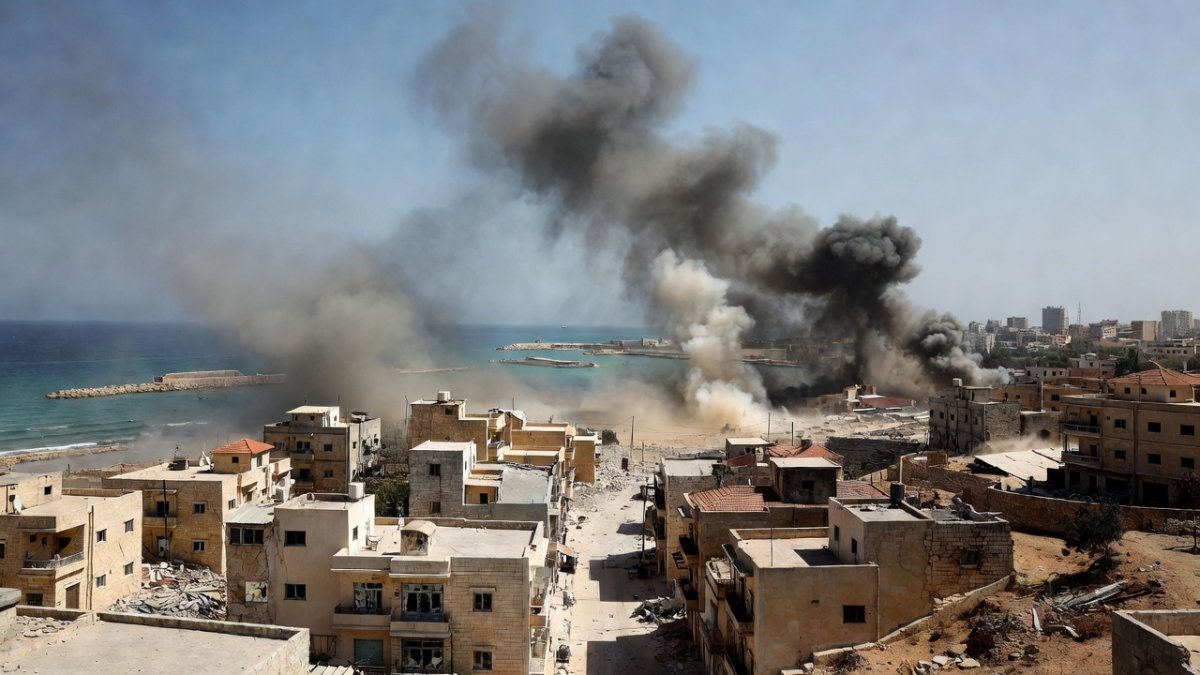
Israeli airstrikes persisted in southern Lebanon on June 9, with significant strikes concentrated around the historic port city of Tyre. Israel issued an unprecedented evacuation warning for the entire city, home to roughly 175,000 residents across its metropolitan area. Christian religious leaders from Tyre appealed to the international community for protection, as the evacuation order now included the Christian quarter that had previously been excluded from such warnings. At least eight people were killed in the day's strikes, according to the Lebanese Ministry of Health. The morning's bombings came hours after the Israeli military issued a blanket evacuation order — the first time the entire city had been told to leave.
The war between Israel and Hezbollah erupted on March 2, 2026, triggered by escalating cross-border exchanges after the initial US-Israeli strikes against Iran on February 28. A ceasefire negotiated on June 3 was rejected by Hezbollah, which insisted that no cessation of hostilities could take effect while Israeli forces remain inside Lebanese territory. Israel maintains that its operations target only Hezbollah positions, weapons caches, and command-and-control infrastructure, but the scale of displacement in southern Lebanon now exceeds 200,000 people, according to UN estimates.
Gantz's Strategic Calculus
Gantz, who served as Israel's Defense Minister during the 2021 Gaza conflict and previously oversaw two wars against Gaza as IDF Chief of Staff, brings both military credibility and political centrism to his public commentary. His appearance on Al Arabiya English was notable for its uncompromising tone. By declaring that there is "no right or wrong" in Israel's current posture — only what is "right" — Gantz was speaking to multiple audiences simultaneously.
Domestically, his framing reinforces national unity around military necessity and signals that centrist figures within the Israeli political spectrum fully back the current government's security policy. Internationally, it sends a clear message to Washington, European capitals, and Gulf states that Israel views its actions as defensive responses to Iranian and Hezbollah aggression, not provocations that could derail broader Arab-Israeli normalization efforts. The Abraham Accords framework remains dormant amid the current escalation, but Gulf officials privately acknowledge that restoring deterrence against Iran is a prerequisite for any future diplomatic progress.
US Involvement and the Trump Factor
President Donald Trump's administration has been deeply entangled in the current crisis from its inception. US and Israeli forces launched joint "major combat operations" against Iran on February 28, marking a significant escalation of American military involvement in the region. On June 9, Trump stated on his Truth Social platform that Iranian forces had shot down a US Apache helicopter near the Strait of Hormuz, though both pilots were rescued safely. The president has also described himself as being in the "final throes" of reaching a comprehensive Middle East peace deal, though the precise contours of any such agreement remain unclear.
George Papadopoulos, the former Trump campaign advisor who appeared alongside Gantz on the Al Arabiya English broadcast, added an American political dimension to the discussion. The presence of both a senior Israeli security figure and a Trump-connected strategist on the same program underscores the extent to which Washington's Middle East policy under the current administration is both military-driven and personally directed by the president. US leverage in the region derives from both its military assets in the Arabian Sea and the Gulf and its diplomatic channels with Saudi Arabia, the UAE, and other Gulf Cooperation Council members.
Regional Dynamics and Second-Order Effects
The simultaneous fragility of the Iran-Israel ceasefire and the intensification of operations in Lebanon create competing pressures across the Middle East. Turkey, under President Recep Tayyip Erdogan, has increased its rhetorical support for Lebanese sovereignty while offering mediation channels. Ankara's role is complicated by its own strategic calculus: NATO membership, ongoing tensions with Greece over Eastern Mediterranean energy rights, and a deepening economic relationship with Gulf states through trade and investment ties.
Further east, China and North Korea used rare talks in Pyongyang between President Xi Jinping and Chairman Kim Jong Un to pledge closer coordination. While the discussions were framed as bilateral, the implications for Middle East dynamics are significant: any increase in Chinese or North Korean arms or technical support to Iran or its proxies could shift the military balance in the region. The great power competition dimension of the current crisis cannot be separated from the regional calculations of Middle Eastern states themselves.
Regional Implications
The coming weeks will determine whether the June 8 pause between Iran and Israel can evolve into a more durable arrangement, or whether renewed exchanges become the new baseline. Israeli officials, including Gantz, continue to prioritize immediate security requirements — deterrence restoration through sustained operations in Lebanon — over longer-term political settlements that would require concessions on Iran's nuclear program or the Palestinian track. For the people of southern Lebanon, the absence of a durable ceasefire means continued displacement and uncertainty. For Gulf states and international investors watching the region, the question remains whether any diplomatic off-ramp exists before the current crisis draws in additional actors.
By Malik Hassan, Staff Writer
This article was produced with AI-assisted research and editorial support. Reporting is based on sources cited in the article.
What's Your Reaction?
 Like
0
Like
0
 Dislike
0
Dislike
0
 Love
0
Love
0
 Funny
0
Funny
0
 Wow
0
Wow
0
 Sad
0
Sad
0
 Angry
0
Angry
0

Middle East Correspondent at Global1.News. Based in Beirut, covering politics, conflict, energy, and society across the Middle East. Brings context and depth to a region often reduced to headlines.












Comments (0)