
China Urges Preservation of US-Iran Ceasefire at UN
Regional Framing: Great Power Competition in the Middle East The July 11, 2026 Security Council session on the Iran nuclear issue unfolded against a backdrop of renewed US-Iran hostilities and intensifying competition between Washington and Beijing for influence across the Gulf. China’s intervention came days after US President Trump declared the April ceasefire void, triggerin
Regional Framing: Great Power Competition in the Middle East
The July 11, 2026 Security Council session on the Iran nuclear issue unfolded against a backdrop of renewed US-Iran hostilities and intensifying competition between Washington and Beijing for influence across the Gulf. China’s intervention came days after US President Trump declared the April ceasefire void, triggering fresh American strikes on Iranian targets.
Beijing’s position reflects its core interests: safeguarding energy imports from the Gulf, limiting US military dominance, and presenting itself as a diplomatic alternative to American-led pressure. With Gulf states accelerating diversification away from exclusive US security guarantees, China’s stance carries weight in Riyadh, Abu Dhabi, and Muscat.
China’s UN Statement and What It Means
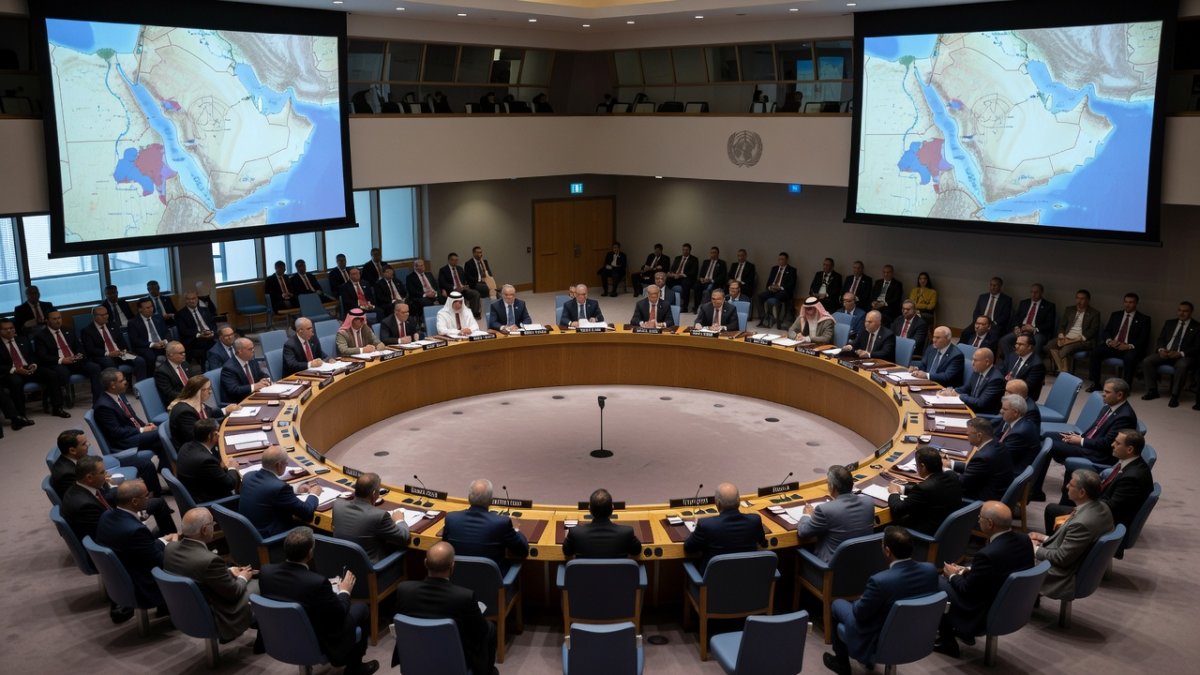
China’s Deputy Permanent Representative Sun Lei told the Security Council that the ceasefire and cessation of hostilities must hold. He outlined the US-Iran memorandum’s core commitments: mutual respect for sovereignty and territorial integrity, permanent halt to military activities on all fronts, and a roadmap linking negotiations to sanctions relief.
Sun Lei urged all parties to overcome disruptive factors, refrain from the use or threat of force, preserve the MoU, lift sanctions against Iran at an early date, and achieve substantive progress in political settlement. Russia and China opposed convening the meeting, noting that Resolution 2231 expired on October 18, 2025, removing the item from the council’s agenda. Russia called for a procedural vote, while Sun Lei warned that forcing discussion under a terminated item would deepen divisions and undermine negotiation prospects.
The Fragile US-Iran Ceasefire and Its Collapse
The 2026 Iran war began with US-Israeli airstrikes on February 28. Pakistan brokered a ceasefire on April 8 that held for roughly three months. Trump’s early July declaration that the truce was void led to resumed US strikes, shattering the brief lull.
China’s emphasis on implementing the MoU signals its preference for negotiated de-escalation over renewed confrontation. Beijing calculates that sustained fighting risks broader regional spillover and threatens the stability of energy corridors it depends upon.
The Strait of Hormuz and Energy Security Implications
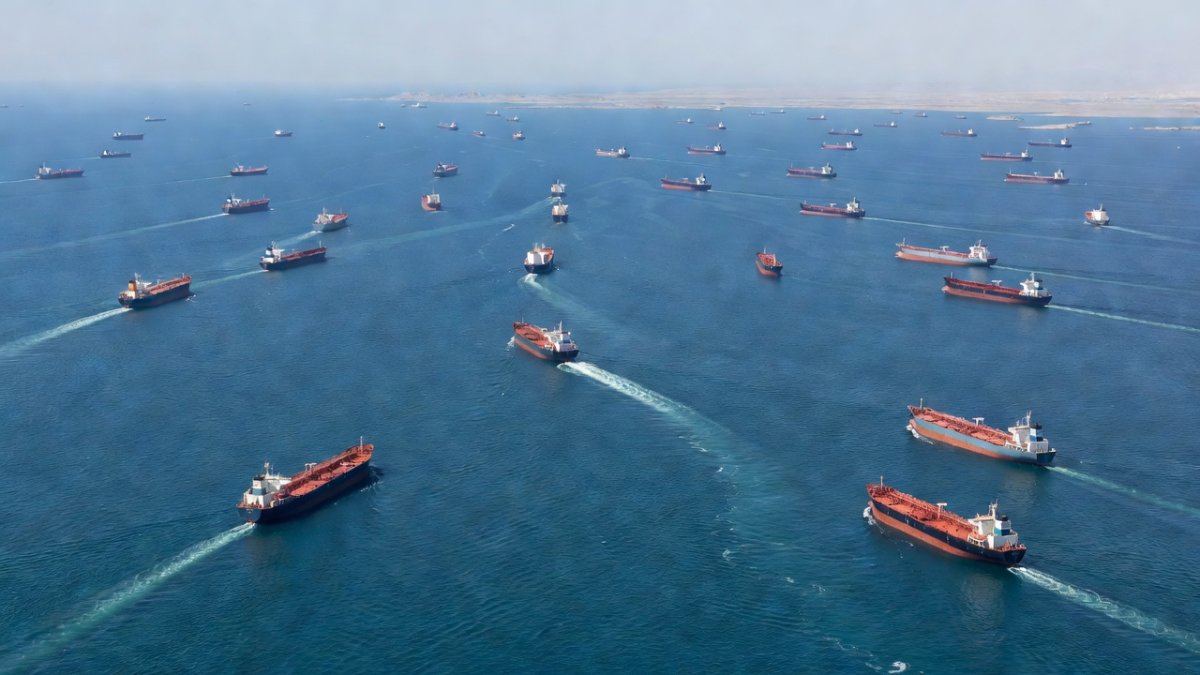
Shipping through the Strait of Hormuz has fallen sharply. Kpler data showed only 25 vessels transiting on July 9, down from 49 the previous day. The US has accused Iran of targeting commercial vessels, further deterring traffic.
China, the world’s largest oil importer, views any prolonged closure or disruption as a direct threat to its energy security. Elevated oil prices already reflect the uncertainty, and Beijing’s diplomatic push at the UN serves both to protect supply routes and to contrast its approach with Washington’s military posture.
Great Power Rivalry — China vs US in the Middle East
China maintains working relations with both Iran and key Gulf Arab states, giving it leverage Washington lacks. Its refusal to endorse the Security Council meeting and its criticism of “political manipulation” represent a direct challenge to US efforts to isolate Tehran through multilateral pressure.
Beijing’s strategy seeks to position China as a stabilizing force that can facilitate talks without the preconditions Washington typically imposes. This approach resonates with Gulf capitals wary of being drawn into another cycle of escalation that could damage their own diversification plans.
Regional Implications for Gulf States, Oil Markets, and the Wider Middle East
Gulf states face difficult choices. Continued US-Iran fighting raises insurance costs for tankers and threatens investment climates already strained by high oil-price volatility. Saudi Arabia and the UAE have quietly expanded economic ties with China while still relying on US security assurances; they now watch whether Beijing can translate its UN rhetoric into tangible restraint.
If the MoU collapses entirely, Iran may accelerate nuclear activities and regional proxy operations, prompting further Israeli and American responses. Oil markets would face sustained upward pressure, complicating global inflation control and Gulf fiscal planning. China’s call for sanctions relief and negotiated settlement therefore serves as both a diplomatic signal and a reminder that alternative power centers now shape outcomes in the Gulf.
By Malik Hassan, Staff WriterThis article was produced with AI-assisted research and editorial support. Reporting is based on sources cited in the article.
What's Your Reaction?
 Like
0
Like
0
 Dislike
0
Dislike
0
 Love
0
Love
0
 Funny
0
Funny
0
 Wow
0
Wow
0
 Sad
0
Sad
0
 Angry
0
Angry
0

Middle East Correspondent at Global1.News. Based in Beirut, covering politics, conflict, energy, and society across the Middle East. Brings context and depth to a region often reduced to headlines.










Comments (0)