
Iran's State Funeral for Ayatollah Khamenei Tests Regional Stability as China Maintains Steady Diplomatic Engagement
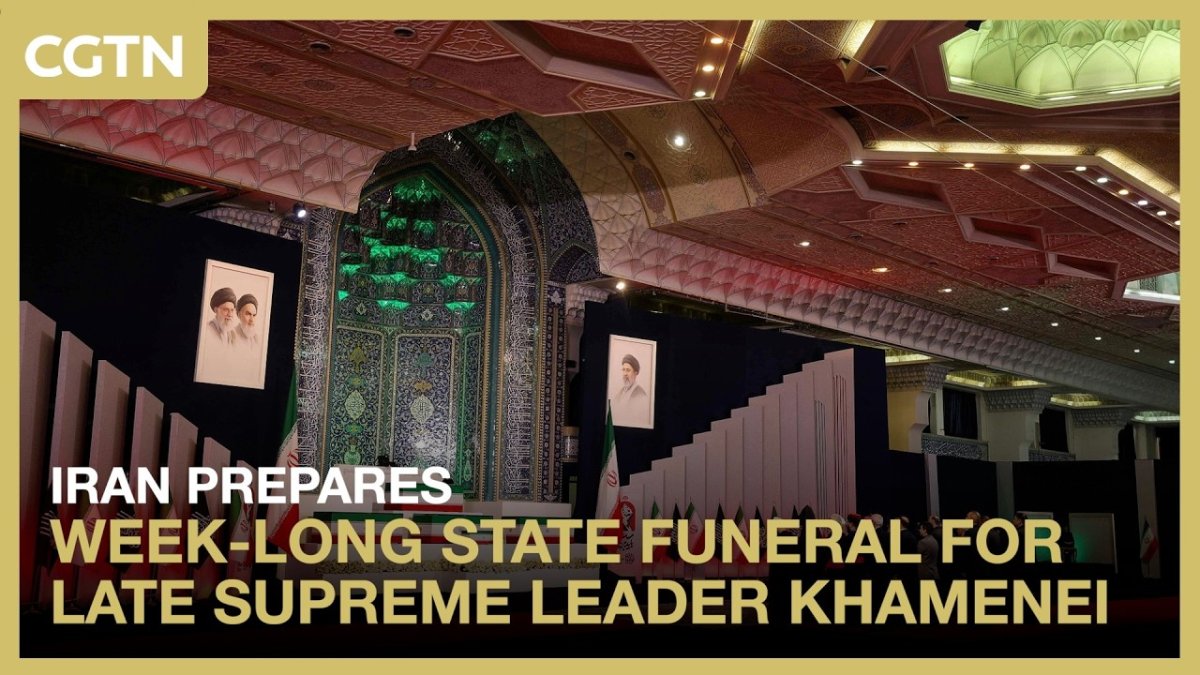
Iran's State Funeral for Ayatollah Khamenei Tests Regional Stability as China Maintains Steady Diplomatic Engagement In a recent CGTN report from Tehran, correspondent Ehsan Keivani outlines Iran's preparations for a week-long series of state funeral ceremonies honoring the late Supreme Leader Ayatollah Ali Khamenei, beginning in the capital and ending with burial in Mashhad. T
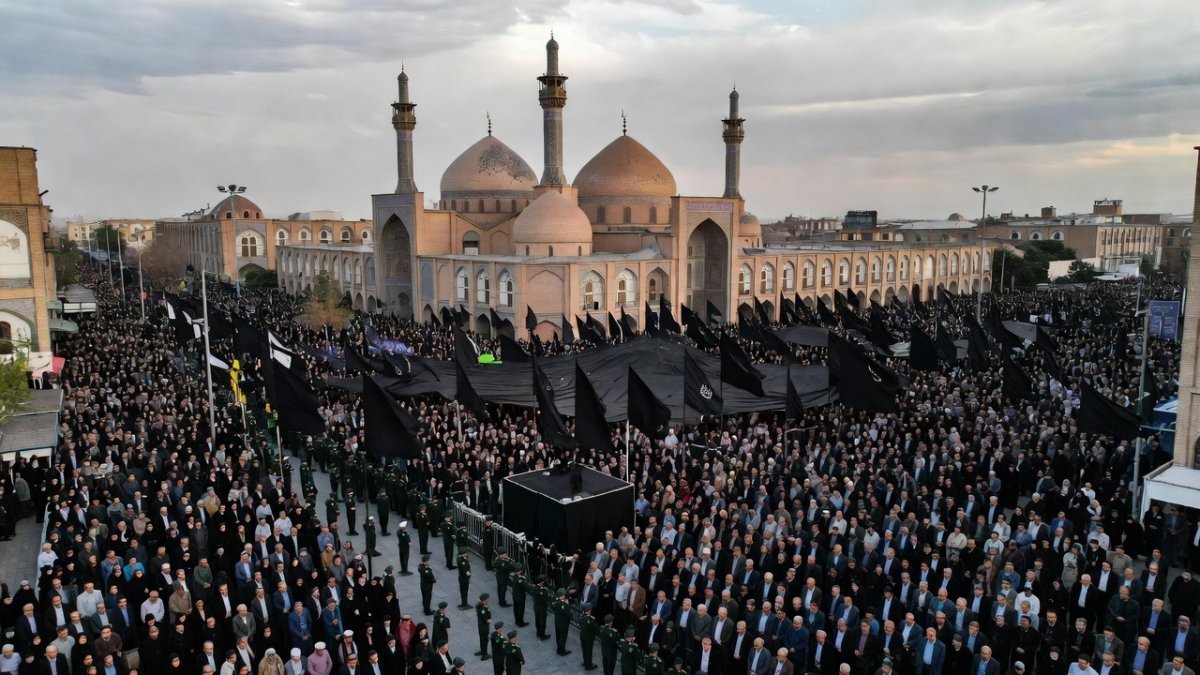
Funeral Timeline and Succession Arrangements
The ceremonies are scheduled to commence on July 4 in Tehran, with formal observances extending through July 9, when the burial will take place in Mashhad. International delegations have already arrived to participate in the farewell events, underscoring the global attention on Iran's internal transition.
Mojtaba Khamenei has assumed the role of Supreme Leader, providing continuity in the Islamic Republic's leadership structure during this period. The funeral thus serves as an immediate test of institutional stability, with authorities coordinating large-scale public mourning while managing security concerns.
Pause in US-Iran Indirect Talks
Indirect talks between the United States and Iran, facilitated by Qatar and Pakistan, have been paused to accommodate the mourning period. These discussions had focused on de-escalation measures, including arrangements related to shipping security in the Strait of Hormuz.
The interruption reflects the practical constraints imposed by national mourning protocols. Both sides appear to recognize the need for a temporary halt, though the underlying issues of sanctions relief and nuclear oversight remain unresolved.
China's Consistent Diplomatic Posture
Throughout the crisis, China has sustained diplomatic relations with Iran, avoiding abrupt shifts that might complicate energy supply chains or broader Belt and Road initiatives in the region. This approach aligns with Beijing's emphasis on stable partnerships amid fluctuating Middle Eastern dynamics.
Chinese officials have not issued new public statements tied directly to the funeral, yet the maintenance of channels suggests a preference for continuity over disruption. Such positioning allows China to monitor developments without becoming entangled in the immediate US-Iran friction.
Strategic Stakes in the Strait of Hormuz
The Strait of Hormuz remains a focal point in any future resumption of talks, given its role in global oil transit. Disruptions here would carry immediate consequences for energy importers, including China, which relies on steady flows from the Persian Gulf.
US leverage in these negotiations centers on sanctions enforcement and military presence, while Iran retains influence through its geographic control of the waterway. The mourning period offers a brief window for both parties to reassess positions before indirect channels reopen.
Regional Ripple Effects and Global South Implications
Neighboring states and wider actors in the Global South are watching the transition closely, as any instability in Iran could affect migration patterns, trade routes, and proxy dynamics across the Middle East. ASEAN economies, already sensitive to energy price volatility, stand to feel secondary effects if shipping lanes face renewed uncertainty.
European Union members have expressed interest in resumed diplomacy but lack direct leverage comparable to that of the United States or China. The funeral period may therefore serve as a calibration point for how external powers recalibrate their engagement strategies once ceremonies conclude.
Outlook for Post-Mourning Diplomacy
Once the burial in Mashhad is complete, attention will likely shift back to the paused talks and the practicalities of implementing any interim security understandings. Mojtaba Khamenei's leadership will face early tests in balancing domestic expectations with external pressures.
China's continued presence in Iranian diplomatic circles positions it to advocate for pragmatic outcomes that protect mutual economic interests. The coming weeks will reveal whether the funeral's demonstration of continuity translates into renewed momentum for dialogue or prolonged stalemate.
By Prof. Marcus Chen, Staff WriterThis article was produced with AI-assisted research and editorial support. Reporting is based on sources cited in the article.
What's Your Reaction?
 Like
0
Like
0
 Dislike
0
Dislike
0
 Love
0
Love
0
 Funny
0
Funny
0
 Wow
0
Wow
0
 Sad
0
Sad
0
 Angry
0
Angry
0
World Politics Analyst at Global1.News. Based in Beijing, covering US-China relations, global trade, and geopolitical strategy. Brings deep analytical perspective to the power dynamics shaping international affairs.









Comments (0)