
Iran Signals Readiness to Retaliate Against US-Israeli Attacks
Iran Signals Continued Preparedness Iranian officials have indicated that the country stands ready to respond to any further attacks linked to operations by the United States and Israel. This position follows reported exchanges involving missile strikes on sites in Kuwait and Bahrain, according to statements from Tehran. Remarks by Key Iranian Figures Chief negotiator Mohammad
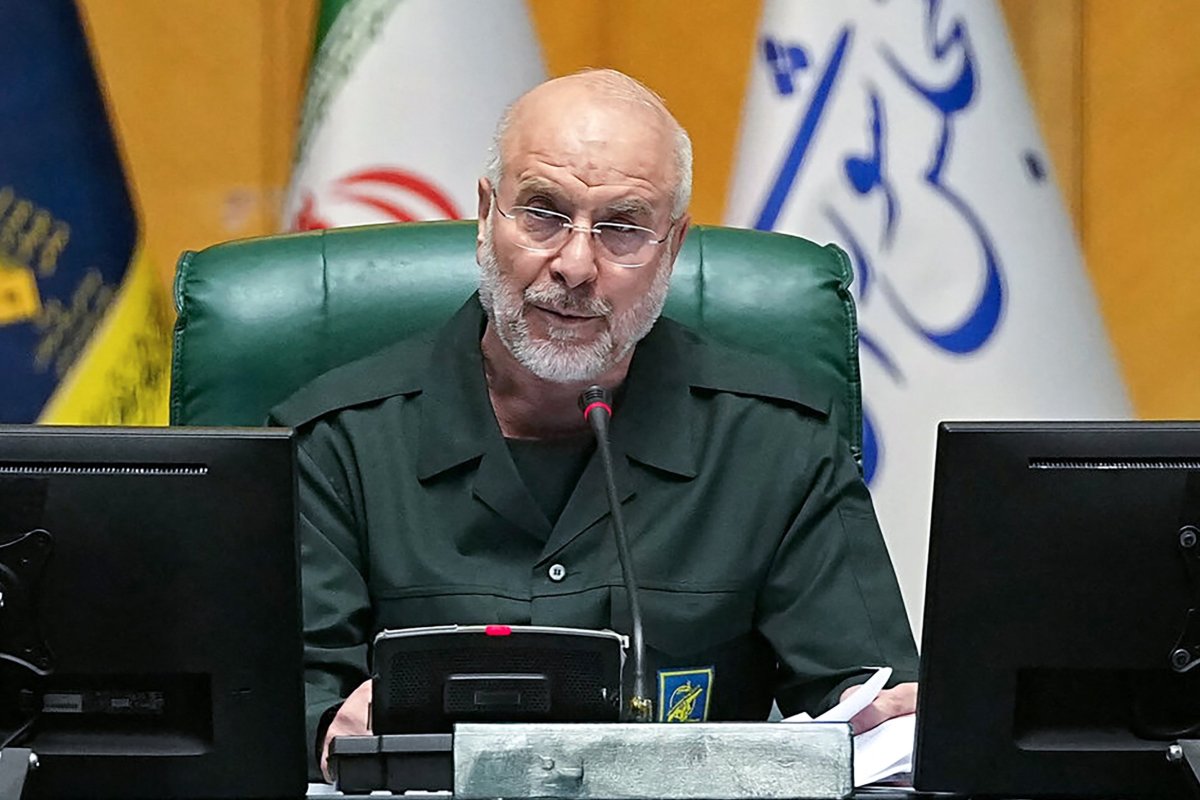
Iran Signals Continued Preparedness
Iranian officials have indicated that the country stands ready to respond to any further attacks linked to operations by the United States and Israel. This position follows reported exchanges involving missile strikes on sites in Kuwait and Bahrain, according to statements from Tehran.
Remarks by Key Iranian Figures
Chief negotiator Mohammad Bagher Ghalibaf stated through the ISNA news agency that the era of threats without consequences has ended. He emphasized that any aggression would face a decisive and proportionate reply from Iran.
Foreign Minister Abbas Araghchi posted on X that Iranian armed forces are carrying out self-defense actions against locations used for attacks on civilian shipping. He added that hostile acts would prompt immediate responses and that further conflict would not achieve what prior sanctions and warfare could not.
Recent Military Developments Reported
The Islamic Revolutionary Guards Corps conducted strikes on a United States base in Kuwait and the headquarters of the U.S. Fifth Fleet in Bahrain. These actions were described as retaliation for an overnight attack on a communications tower on southern Qeshm Island.
Such moves come amid ongoing regional friction, with Iran previously closing the Strait of Hormuz to shipping traffic in response to earlier events.
Comments from U.S. Officials
U.S. Secretary of State Marco Rubio highlighted cooperation from regional partners, specifically noting the United Arab Emirates and Kuwait for their roles. These remarks preceded the latest Iranian statements and reflect Washington's view of allied support in the area.
Background on Escalations and Ceasefire Efforts
Tensions rose after airstrikes by the United States and Israel on Iran in late February, which Tehran has linked to significant losses including senior figures. Iran responded by targeting sites in Israel and Gulf states hosting U.S. facilities.
A Pakistan-brokered ceasefire took effect on April 8, with talks for broader agreements continuing. The current exchanges occur against this backdrop of fragile de-escalation attempts.
Regional Economic and Daily Life Connections
Disruptions around the Strait of Hormuz affect oil transport routes vital to Gulf economies and neighboring states. In places like Lebanon, higher energy costs and trade delays from such closures influence household expenses and local markets reliant on stable regional supply chains.
Analysts note that sustained uncertainty in these waterways can ripple into everyday commerce across the Middle East, underscoring the interconnected nature of security developments and economic stability.
By Malik Hassan, Staff WriterThis article was produced with AI-assisted research and editorial support. Reporting is based on sources cited in the article.
What's Your Reaction?
 Like
0
Like
0
 Dislike
0
Dislike
0
 Love
0
Love
0
 Funny
0
Funny
0
 Wow
0
Wow
0
 Sad
0
Sad
0
 Angry
0
Angry
0

India/South Asia Correspondent at Global1.News. Analytical voice with a background in science and health journalism. Based in New Delhi, covering Indian politics, education, healthcare, technology, and policy. Breaks down complex data into clear, actionable reporting.














Comments (0)