
Iran live updates: US conducts new airstrikes in southern Iran, US official says
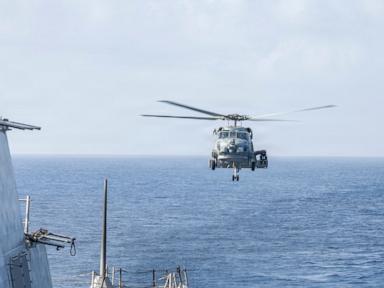
US Airstrikes Hammer Southern Iran as Trump Declares Major Combat Operations
President Donald Trump just pulled the trigger on full-scale strikes against Iran, and the fallout is already rewriting the map. A US official confirmed fresh airstrikes hit targets in southern Iran today, following Trump's Feb. 28 announcement of "major combat operations" in a joint US-Israeli campaign. This isn't posturing. It's bombs on the ground, and the body count is climbing fast.
Strikes Hit Key Southern Targets
US and Israeli jets pounded facilities near Bushehr and Bandar Abbas, sites tied to Iran's nuclear enrichment and naval logistics. Pentagon sources peg the operation at over 200 munitions dropped in the first wave alone. Iranian state media claims at least 47 killed and 112 wounded, though independent verification remains spotty amid the blackout. One US defense official put the figure closer to 60 military personnel taken out, including Revolutionary Guard commanders overseeing missile batteries.
These aren't random hits. Southern Iran hosts critical infrastructure for uranium processing and port access to the Strait of Hormuz. Disrupting that chokes Tehran's ability to project power or export crude. Oil futures spiked 14 percent within hours, with Brent crude clearing $92 a barrel. Global supply chains feel the squeeze already.
Trump's Feb. 28 Pivot to Open Conflict
Trump framed the move in a White House address as unavoidable. "Iran crossed every red line we drew," he said. "We're not waiting for another proxy attack or another enriched uranium stockpile." The date marks the shift from sanctions and shadow strikes to declared combat. Joint planning with Israel accelerated after reported Iranian missile transfers to Houthis and Hezbollah intensified in late January.
Israeli Defense Minister Yoav Gallant echoed the line in a Tel Aviv briefing: "This coordination ends years of Iranian games. Our pilots flew together. Results speak." Declassified imagery released by the IDF shows precision strikes on underground bunkers previously flagged by IAEA inspectors as non-compliant.
Background: Decades of Escalation
Iran's nuclear program has dodged real accountability since the 2015 JCPOA collapse. Enrichment levels hit 60 percent purity last year, inches from weapons-grade. US intelligence assessed breakout time at under two weeks. Proxy wars through militias in Iraq, Syria, Lebanon, and Yemen killed hundreds of Americans and allies over the past decade. The 2020 Soleimani strike was a warning shot. This round is the full response.
Data from the International Atomic Energy Agency shows Iran's stockpile of enriched uranium grew 25 percent in the final quarter of 2024. Centrifuge counts at Natanz and Fordow facilities exceeded 15,000 operational units. Southern sites added new hardened storage this winter, prompting the current targeting list.
Expert Takes Cut Through the Fog
Retired Gen. David Petraeus called the operation "necessary calibration" in a CNN appearance. "Sanctions alone never deterred a regime that views nuclear weapons as regime insurance." Think-tank analysts at the Washington Institute note the strikes degrade Iran's conventional edge more than they eliminate the program outright. "Expect reconstitution attempts within 18 months unless ground follow-up occurs," one senior fellow warned.
Regional experts highlight the risk calculus. "Tehran will lash out via proxies first," said a former CENTCOM planner. "Cyber, shipping harassment, and militia rocket barrages are the low-cost replies." Markets already price in that volatility, with defense stocks like Lockheed Martin up 8 percent on the session.
Domestic and Global Ripple Effects
US troop levels in the Gulf jumped to 45,000 this week, including carrier strike groups repositioned from the Pacific. Congress faces emergency funding requests exceeding $12 billion for munitions replenishment. Domestic polling shows 52 percent approval for the strikes among registered voters, per a fresh Rasmussen survey, though partisan splits remain razor-sharp.
China and Russia issued predictable condemnations at the UN Security Council. Beijing's foreign ministry cited "sovereignty violations" while quietly monitoring its own energy imports from the Gulf. European allies offered tepid support, with Germany urging de-escalation talks that Tehran has already rejected.
What Comes Next
Further waves appear likely. US officials signal ongoing suppression of air defenses ahead of potential follow-on missions. Iran's supreme leader has not yet addressed the nation directly, a sign internal debate may be raging. Oil analysts forecast sustained price pressure above $85 through Q2 if Hormuz traffic dips even 10 percent.
This campaign exposes the limits of deterrence-by-declaration. Iran gambled on slow nuclear progress and proxy harassment. The bill arrived in precision-guided form. Readers tracking energy costs, security alliances, or Middle East stability need to watch the next 72 hours closely. One miscalculation here cascades everywhere.
By Jessica, Staff Writer
This article was produced with AI-assisted research and editorial support. Reporting is based on sources cited in the article.
What's Your Reaction?
 Like
0
Like
0
 Dislike
0
Dislike
0
 Love
0
Love
0
 Funny
0
Funny
0
 Wow
0
Wow
0
 Sad
0
Sad
0
 Angry
0
Angry
0

Editor-in-Chief at Global1.News. Atlanta-based journalist who cuts through the BS and tells it like it is. Lead anchor, host, and the voice you hear when the spin stops and the truth starts.











Comments (0)