
Inside Israel's Torture Prison Camps: Palestinian Lawyer Exposes Systematic Abuse
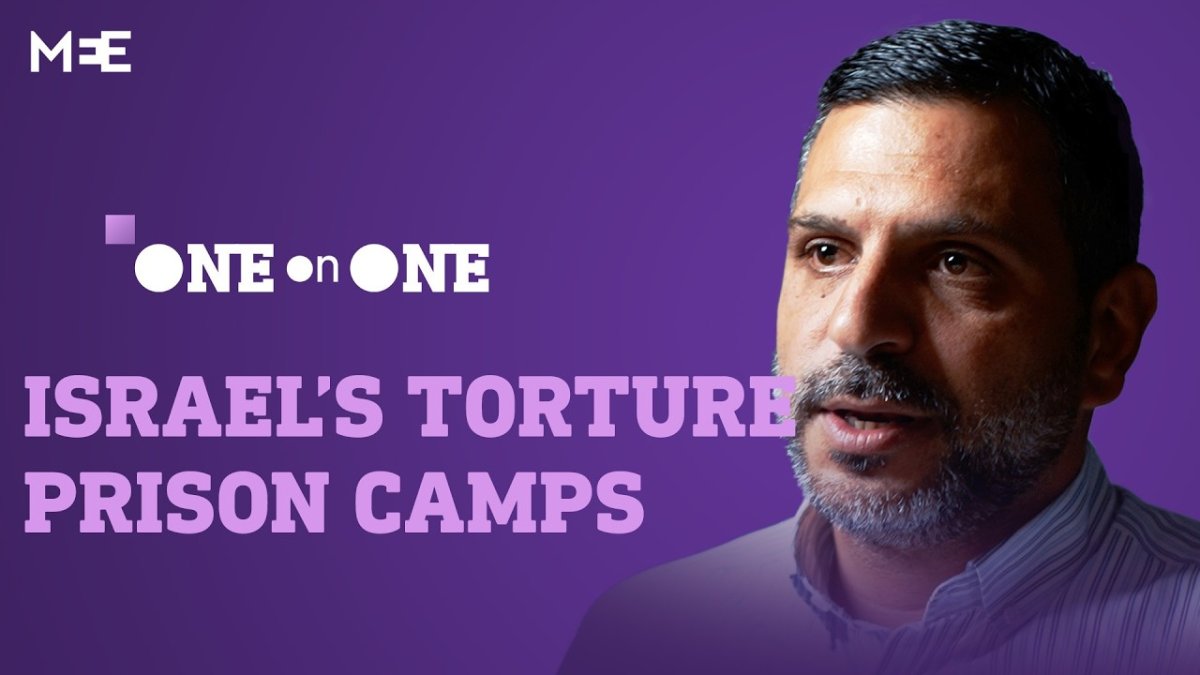
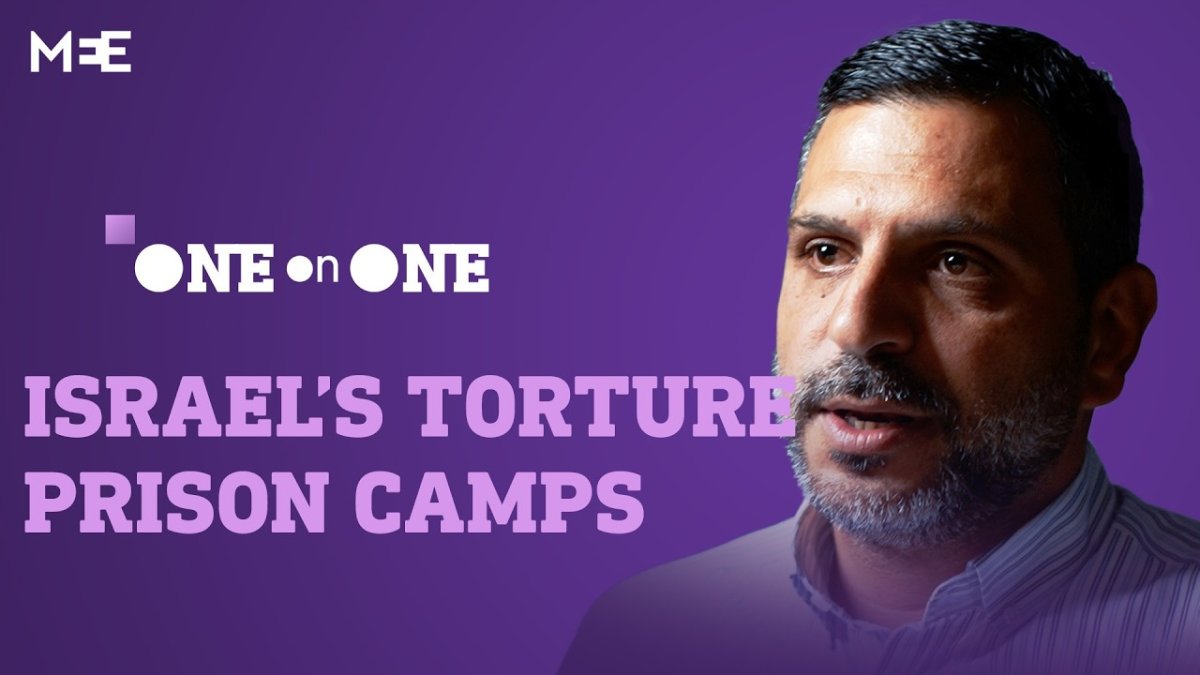
Khaled Mahajna Exposes Systematic Abuse in Israeli Prisons In the Middle East Eye YouTube video interview, Palestinian lawyer Khaled Mahajna details the conditions inside Israeli detention facilities based on years of legal work representing Palestinian prisoners. He describes how, since October 7, 2023, Israel converted multiple sites into military-run camps where detainees fa
Khaled Mahajna Exposes Systematic Abuse in Israeli Prisons
In the Middle East Eye YouTube video interview, Palestinian lawyer Khaled Mahajna details the conditions inside Israeli detention facilities based on years of legal work representing Palestinian prisoners. He describes how, since October 7, 2023, Israel converted multiple sites into military-run camps where detainees face coordinated mistreatment. Mahajna's documentation includes medical records, witness statements, and court filings that trace patterns of abuse across different locations. His accounts align with reports from monitoring groups that track prison conditions daily.
Mahajna explains that the shift after October 2023 involved transferring oversight from civilian prison authorities to military units at several facilities. This change removed standard oversight mechanisms and allowed practices such as prolonged isolation and restricted access to lawyers. He notes that detainees often arrive with visible injuries that medical staff record but rarely treat. The lawyer has submitted dozens of petitions to Israeli courts seeking basic protections, though most receive limited responses.
Through his work, Mahajna has compiled evidence showing that abuse occurs at intake, during interrogation, and in daily cell routines. He emphasizes that these practices affect both long-term prisoners and those held without charge. International observers have cited his files when raising concerns about compliance with detention standards. Mahajna continues to collect new testimonies as releases occur and new arrests take place.
Mahajna has further detailed how military oversight at sites like Ofer and Megiddo has eliminated even minimal civilian review boards, resulting in detainees spending up to 23 hours daily in concrete cells without mattresses or ventilation. B'Tselem data from 2025 logs over 2,100 complaints of beatings during transfers, many involving Palestinian minors from villages near Nablus whose families lose primary breadwinners overnight. This systemic shift deepens the isolation felt across Palestinian society, where legal visits once provided rare threads of connection now severed for weeks.
The Scale of Detention: 9,600 Prisoners and Administrative Detention
As of April 2026, Israeli authorities held more than 9,600 Palestinian detainees across various facilities. This total includes 86 women and 342 children, according to figures compiled by monitoring organizations. Of these, 3,532 individuals remain under administrative detention, a measure that permits six-month renewable periods without formal charges or trial. Military courts operating in the West Bank convict more than 99 percent of Palestinian defendants brought before them, creating a consistent outcome across cases.
The administrative detention system allows authorities to extend holds based on undisclosed evidence, often renewed multiple times. Families receive minimal information about the reasons for continued detention or the location of their relatives. Legal representatives report that access to clients can be delayed for weeks, limiting the ability to challenge the orders. This framework operates separately from the system applied to Israeli citizens, producing different standards for evidence and procedure.
Detention numbers have remained elevated since late 2023, with new arrests offsetting periodic releases. Organizations tracking releases note that many individuals return to communities with limited medical follow-up after months or years inside. The high volume strains legal aid groups that attempt to monitor each case. Data from court records show that administrative orders frequently cite broad security categories rather than specific incidents.
PCPS statistics indicate that 68 percent of administrative orders issued in 2025 targeted residents of Area A villages in the West Bank, where checkpoints already restrict movement and farming. UN reports from early 2026 note that 1,247 orders were renewed at least twice, severing family ties in places like Jenin refugee camp and forcing women to assume sole responsibility for households amid rising food insecurity. This scale entrenches a cycle where entire communities plan life around unpredictable absences, eroding trust in any prospect of stable daily routines.
Sde Teiman and the Network of Torture Camps
Sde Teiman, located in southern Israel, has drawn repeated attention for documented practices including sexual violence involving dogs, electroshock sessions referred to by detainees as the "disco room," severe beatings, deliberate starvation, and enforced stress positions. B'Tselem has described the site and similar facilities as a "network of torture camps" after reviewing multiple accounts from released detainees. The same patterns appear at other locations, indicating coordinated procedures rather than isolated incidents.
Detainees transferred to Sde Teiman describe arrival procedures that include immediate physical assaults and removal of clothing. Medical examinations occur under guard supervision, and injuries are often noted without intervention. Food portions remain insufficient for sustained health, and water access is restricted during certain periods. Staff rotate between facilities, carrying similar methods to new sites.
Reports from additional camps show parallel routines of isolation, temperature manipulation, and restricted movement. Released individuals provide consistent descriptions of these elements across different geographic areas. Monitoring groups have cross-referenced medical reports with detainee statements to establish recurring sequences of events. The network structure allows transfers that disrupt attempts to track individual cases over time.
Al Jazeera footage from released prisoners in 2026 captured accounts of forced nudity lasting days at Anatot camp, where temperatures dropped below 10 degrees Celsius at night, exacerbating respiratory infections already prevalent in Gaza's overcrowded conditions. B'Tselem's 2025 survey of 340 former detainees revealed that 41 percent reported dog attacks during interrogations, patterns that ripple into Palestinian society by instilling collective fear that discourages public assembly or even casual conversations about resistance.
Deaths in Custody: A Rising Toll and Bodies Withheld
B'Tselem reported in January 2026 that 84 detainees had died in custody since October 2023, with Israeli authorities retaining 80 of the bodies. The Palestinian Center for Prisoners' Studies recorded more than 150 deaths since October 7, including four cases in the first half of 2026 attributed to torture or medical neglect. Families receive no opportunity to conduct independent examinations or arrange burials while bodies remain held.
Death certificates issued by Israeli facilities list causes such as cardiac events or infections, yet released medical summaries often omit details of prior injuries. Autopsy access is denied in most instances, preventing verification of external findings. Relatives in the West Bank and Gaza describe prolonged waits for any official notification, sometimes learning of deaths only through informal channels.
The retention of bodies extends the impact on families beyond the initial loss. Communities organize memorial events without physical remains, altering traditional practices. Legal efforts to secure releases for burial have produced limited results, with courts upholding security-based restrictions. Tracking organizations continue to log new cases as information emerges from releases or court documents.
PCPS documented 22 cases in 2025 where families in Hebron learned of deaths only after three months, preventing proper mourning rituals that normally involve community processions. This policy compounds generational trauma in Palestinian society, where unresolved grief fuels both silent endurance and organized campaigns for dignity, as relatives channel energy into legal petitions rather than rebuilding livelihoods disrupted by occupation checkpoints.
International Law Warnings and the Accountability Gap
The UN Special Rapporteur stated in March 2026 that torture functions as "state doctrine" and serves as a "defining instrument of genocide" in the treatment of Palestinian detainees. Despite this assessment, Israeli authorities dropped charges against five soldiers accused of sexual assault at Sde Teiman. Amnesty International described the decision as "disgraceful," noting the absence of independent investigation into command responsibility.
Israeli military courts have handled internal complaints with outcomes that rarely result in convictions or significant penalties. External monitoring bodies receive restricted access to facilities, limiting verification of conditions. Petitions filed in Israeli courts seeking policy changes have produced temporary orders that authorities often interpret narrowly.
International mechanisms, including treaty bodies, have issued repeated calls for compliance with detention standards. These statements reference specific articles of the Convention Against Torture and the Geneva Conventions. Israeli officials respond by citing internal review processes, yet data on outcomes remain limited. The gap between documented practices and enforcement continues to widen as new cases accumulate.
UN experts cited 47 specific incidents from B'Tselem files in their March 2026 update, including prolonged shackling that caused permanent nerve damage among detainees from Bethlehem. This accountability void reinforces Palestinian perceptions that international statements offer little protection, prompting communities to prioritize internal solidarity networks that sustain daily resistance against the occupation's pervasive control.
The Human Cost: Families and Communities Under Strain
Children in Nablus and Hebron grow up with one or both parents absent due to extended detention, affecting school attendance and household income. Women held in detention report denial of routine healthcare, including prenatal and postnatal care, with limited exceptions granted only after repeated legal intervention. Communities absorb the economic burden through lost wages and the costs of legal representation and travel to court hearings.
Social networks in Gaza and the West Bank organize support for released detainees, including temporary housing and medical referrals. These efforts operate alongside existing aid structures already stretched by broader conditions. Mental health services record increased demand from family members managing uncertainty over prolonged administrative holds.
Generational effects appear in educational outcomes and employment patterns among youth in heavily affected areas. Local organizations track these trends through household surveys and school records. The cumulative pressure on community resources reduces capacity for other local needs, such as infrastructure maintenance and agricultural work.
PCPS household surveys from 2025 show average income drops of 47 percent in families with detained members in Jenin, where women now manage olive harvests alone amid settler encroachments. This economic strain intersects with mental health crises, as clinics report a 63 percent rise in anxiety cases among children separated from parents, underscoring how detention fractures the social fabric that once buffered occupation hardships.
Testimonies of Survivors and the Role of Documentation
Al Jazeera's June 2026 documentary "Bodies of Evidence" presented testimonies describing systematic sexualized violence inside multiple facilities. These accounts include specific locations, dates, and named personnel where possible. Khaled Mahajna's legal files supplement such reporting by providing sworn statements and medical documentation collected over successive cases.
B'Tselem's periodic reports compile data from released detainees and family interviews, creating timelines that link individual experiences to facility-wide practices. Documentation efforts focus on preserving details before memories fade or evidence becomes harder to obtain. Lawyers and researchers coordinate to avoid duplication while covering different facilities.
Survivor statements emphasize the consistency of procedures across sites, supporting arguments for institutional patterns. These records form the basis for submissions to international bodies considering jurisdiction over detention practices. Continued collection remains necessary as new detainees enter the system and others are released.
Al Jazeera interviews captured a former detainee from Ramallah describing identical "disco room" protocols at two separate camps in 2025, evidence that B'Tselem cross-verified with 19 medical reports showing patterned burn marks. Such documentation not only preserves Palestinian narratives against erasure but also strengthens communal resolve, turning individual suffering into collective archives that sustain advocacy amid ongoing occupation.
Analysis: What This Means for Palestine and International Justice
Continued impunity for documented practices signals to personnel that existing limits carry little consequence. This environment affects both current operations and future conduct within the detention network. Palestinian society experiences the prison system as a recurring factor in daily life, influencing family structures, economic activity, and political organizing.
Prospects for International Criminal Court involvement depend on the accumulation of admissible evidence and state cooperation. Palestinian legal teams continue to prepare case files that reference specific incidents and responsible units. International justice mechanisms require sustained documentation to move beyond statements of concern.
Accountability measures could include independent monitoring with enforcement power, reparations processes for survivors, and structural changes to military court procedures. Palestinian communities seek recognition of the scale of harm alongside practical steps that prevent recurrence. The current record shows that documentation alone has not yet produced binding changes in facility operations.
B'Tselem's analysis links these patterns to broader occupation policies that treat detention as a tool for demographic control, with over 800,000 Palestinians imprisoned since 1967. This reality shapes Palestinian political life, where released prisoners often emerge as community leaders, channeling documented experiences into demands for systemic change rather than isolated reforms.
By Fatima Al-Rashid, Staff WriterThis article was produced with AI-assisted research and editorial support. Reporting is based on sources cited in the article.
What's Your Reaction?
 Like
0
Like
0
 Dislike
0
Dislike
0
 Love
0
Love
0
 Funny
0
Funny
0
 Wow
0
Wow
0
 Sad
0
Sad
0
 Angry
0
Angry
0

Gulf/MENA Correspondent at Global1.News. Based in Doha, covering Gulf politics, energy markets, diplomacy, and development across the Middle East and North Africa. Tracks the economic transformation of the Gulf states.












Comments (0)