
Indonesia Energy Independence B50 Biofuel Solar Geothermal
Indonesia is advancing a series of domestic energy initiatives to reduce reliance on imported fuels as tensions in the Middle East continue to elevate global oil prices. The government under President Prabowo Subianto has placed energy independence at the center of national policy, drawing on the country's agricultural resources and renewable potential. Indonesia Accelerates Ho
Indonesia is advancing a series of domestic energy initiatives to reduce reliance on imported fuels as tensions in the Middle East continue to elevate global oil prices. The government under President Prabowo Subianto has placed energy independence at the center of national policy, drawing on the country's agricultural resources and renewable potential.
Indonesia Accelerates Homegrown Energy Solutions Amid Global Oil Pressures
Tokyo, Japan – June 18, 2026 — Indonesia, the world's largest palm oil producer and third-largest biofuel producer, is preparing a series of energy policy shifts designed to strengthen domestic supply security. With fuel prices elevated due to Middle East tensions and Strait of Hormuz disruptions, President Prabowo Subianto's administration is implementing measures that span biofuels, solar power, and geothermal development in what officials describe as a coordinated push toward reduced import dependence.
B50 Biodiesel Mandate and Planned Halt to Diesel Imports
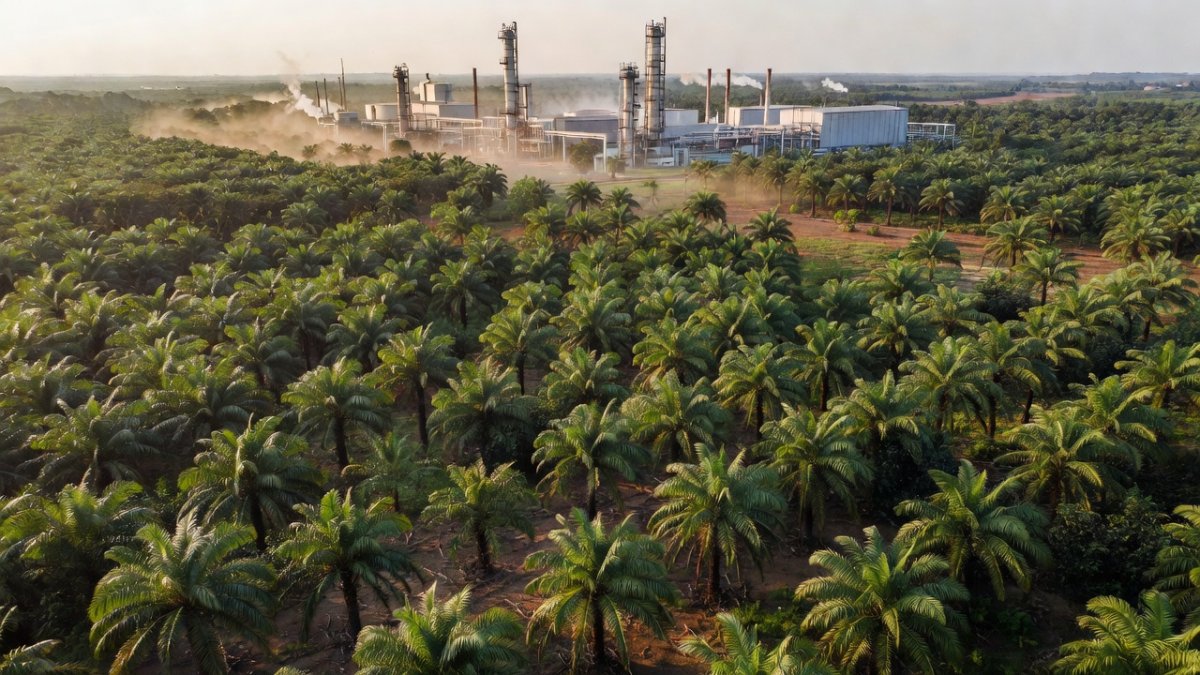
Indonesia, the world's largest palm oil producer and third-largest biofuel producer after Brazil and the United States, is preparing to implement a B50 biodiesel blend. The policy raises the palm oil content in diesel from the current B40 level to 50 percent beginning July 1, 2026. Agriculture Minister Andi Amran Sulaiman stated that diesel imports will stop once the B50 standard takes effect.
The move forms part of broader efforts to shield the economy from price volatility linked to disruptions in the Strait of Hormuz. Indonesia spent more than $22 billion on fuel subsidies in the recent period as oil prices rose. Officials expect the higher domestic blend to ease import dependence while supporting the palm oil sector.
Expansion of Solar Power Capacity to 100 GW
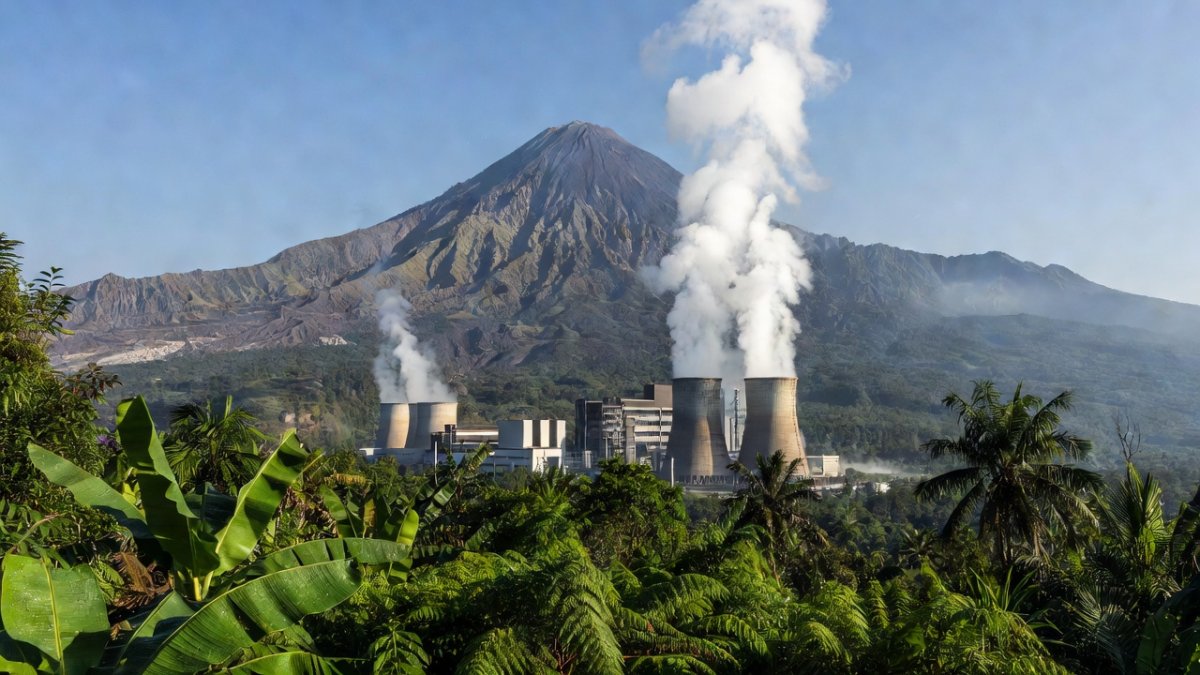
The Prabowo administration has announced targets to develop 100 GW of solar power capacity supported by battery energy storage systems. This initiative addresses the needs of Indonesia's more than 17,000 islands, many of which face ongoing grid connectivity challenges. Solar deployment is viewed as a practical way to extend reliable electricity access without extensive new transmission infrastructure.
Implementation timelines remain subject to project approvals and financing arrangements. The government has signaled interest in attracting foreign technology and investment to accelerate rollout across remote regions.
Geothermal Resources and Development Outlook
Indonesia possesses the world's largest geothermal energy potential, estimated at approximately 29 GW. While current installed capacity is considerably lower, the administration is examining ways to increase utilization of this baseload renewable resource. Geothermal projects offer stable output that can complement variable solar generation and support long-term energy security goals.
Exploration and drilling activities are expected to expand in coming years. Japan's corporate sector, which has extensive experience in geothermal technology through domestic and international projects, has been identified as a potential partner for technology transfer and project development.
Additional Biofuel Pathways Under Consideration
Beyond biodiesel, Indonesia is exploring palm oil-based gasoline substitutes and E10 ethanol produced from cassava. Plans call for cultivating one million hectares of cassava to supply ethanol feedstock. These measures aim to diversify domestic fuel options while creating agricultural employment in rural areas.
Japan's Parallel Energy Challenges and Cooperation Prospects

Japan, like Indonesia, depends heavily on Middle East supplies for oil and liquefied natural gas. Japan's Ministry of Economy, Trade and Industry (METI) has been monitoring Southeast Asian energy transitions, and Japanese firms have expressed interest in Indonesia's geothermal and solar sectors. Potential areas for collaboration include technology transfer for geothermal drilling, solar-plus-storage systems, and grid integration solutions suited to archipelagic geography.
The Japan-Indonesia Energy Forum provides an existing framework for such discussions. Both countries face the task of balancing energy security with emissions reduction commitments under their respective climate targets. Joint projects could support Japan's resource diversification while assisting Indonesia in meeting its capacity targets.
Implementation Challenges and Infrastructure Considerations
High subsidy expenditures, dispersed island geography, and technical requirements for higher biofuel blends present ongoing hurdles. Grid upgrades will be necessary to accommodate large-scale solar and geothermal additions. Officials have acknowledged that achieving the stated targets will require coordinated policy execution and sustained investment.
Technical questions also surround the B50 mandate, including compatibility with existing diesel engines and the adequacy of palm oil supply to meet increased demand. The government has cited positive results from a six-month trial period as evidence that the higher blend is viable.
What to Watch For
Attention will focus on the July 1, 2026 start of the B50 mandate and any early data on import volumes. Progress reports on solar and geothermal project pipelines, as well as cassava cultivation targets, are also expected. Developments in Japan-Indonesia energy dialogues, particularly through METI channels, may yield concrete cooperation agreements in the coming months.
Indonesia's approach illustrates how resource-rich emerging economies are responding to external energy shocks by leveraging domestic agriculture and renewables. The outcomes will influence both regional energy markets and potential partnerships with technology suppliers in Japan and elsewhere in Asia Pacific.
By Kenji Tanaka, Staff Writer
This article was produced with AI-assisted research and editorial support. Reporting is based on sources cited in the article.
What's Your Reaction?
 Like
0
Like
0
 Dislike
0
Dislike
0
 Love
0
Love
0
 Funny
0
Funny
0
 Wow
0
Wow
0
 Sad
0
Sad
0
 Angry
0
Angry
0

Japan Correspondent at Global1.News. Tokyo-based voice covering Japanese politics, technology, economy, and culture. Tracks the intersection of tradition and innovation in one of the world's most dynamic societies.















Comments (0)