
IAEA Iran Inspections Resume: Nuclear Deal Prospects 2026
The Resumption of IAEA Inspections in Iran IAEA Director General Rafael Grossi announced from Fukushima on June 24, 2026, that inspectors will soon visit Iran's enrichment sites. He emphasized that modalities including dates, procedures, and specific locations would be finalized rapidly. This development follows months of stalled verification efforts after the 2025 military cam
The Resumption of IAEA Inspections in Iran
IAEA Director General Rafael Grossi announced from Fukushima on June 24, 2026, that inspectors will soon visit Iran's enrichment sites. He emphasized that modalities including dates, procedures, and specific locations would be finalized rapidly. This development follows months of stalled verification efforts after the 2025 military campaign.
The announcement carries immediate weight because Iran's stockpile of 60 percent enriched uranium remains unaccounted for in real time. Most of this material sits at Isfahan, with smaller quantities at Natanz. Without fresh inspections, the IAEA cannot confirm whether any diversion has occurred since active enrichment halted.
Regional actors view the inspections as a potential pressure valve. Gulf states worry that any ambiguity around the stockpile could embolden Iranian proxies across Iraq, Syria, and Yemen. European diplomats, meanwhile, see renewed access as the only path to prevent a wider arms race involving Saudi Arabia and Turkey.
Core Provisions of the Burgenstock Memorandum
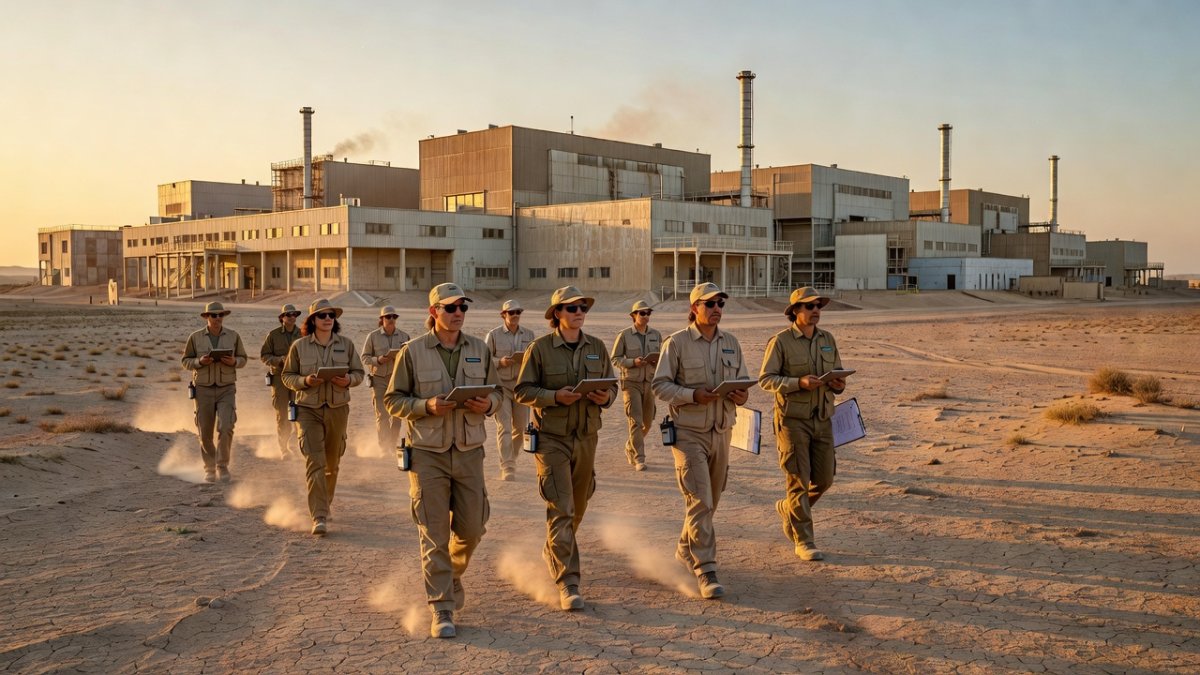
The Burgenstock Memorandum of Understanding, signed in mid-June 2026, outlines a 60-day roadmap toward a final agreement. Pakistan, Qatar, and Switzerland served as mediators between Washington and Tehran. The text explicitly requires dilution of Iran's highly enriched uranium under full IAEA supervision.
US Vice President JD Vance called Iran's acceptance of inspectors a major milestone. American officials believe the interim step buys time to negotiate limits on future enrichment levels and centrifuge numbers. Iranian negotiators, however, treat the dilution clause as conditional on broader sanctions relief.
Strategic calculations differ sharply. Washington seeks verifiable caps that prevent rapid breakout to weapons-grade material. Tehran wants guarantees against future military strikes and access to frozen assets. The mediators' involvement reflects Qatar's growing role as a trusted channel and Pakistan's interest in stabilizing its western neighbor.
Iran's Position on Site Access and Final Agreement
Iranian Deputy Foreign Minister Kazem Gharibabadi rejected Rafael Grossi's public framing on social media. He insisted that access to sites damaged in the 2025 strikes must be resolved only within a final US-Iran agreement, not the interim Burgenstock text. This distinction signals Tehran's desire to retain leverage until core economic demands are met.
The Iranian stance reflects internal debates between hardliners and pragmatists. Hardliners argue that any early concession on damaged facilities at Natanz and Fordow rewards aggression. Pragmatists counter that prolonged isolation deepens economic pain and weakens regime legitimacy.
Israel watches these exchanges closely. Israeli officials have privately conveyed to Washington that partial IAEA access without destruction of remaining centrifuges would be insufficient. This position creates friction with the Trump administration's preference for a negotiated pause rather than renewed military action.
Consequences of the 2025 US and Israeli Airstrikes
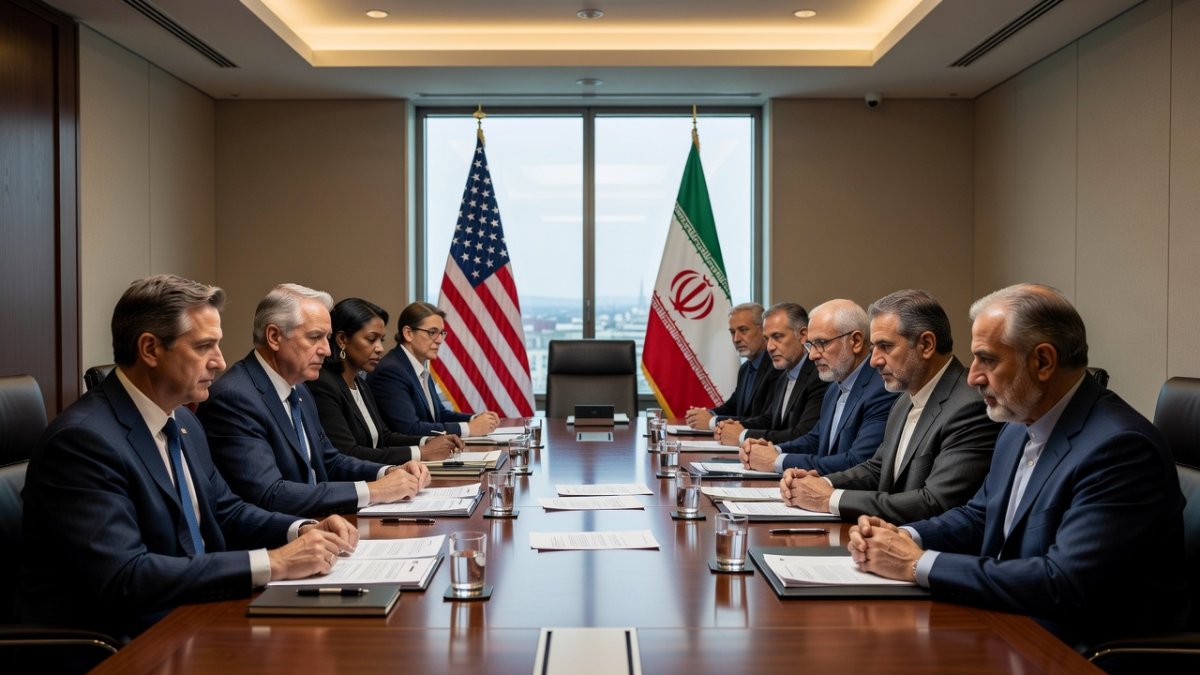
US and Israeli airstrikes in June 2025 destroyed or severely damaged three Iranian enrichment plants — two at Natanz and one at Fordow. Iran had been enriching uranium to 60 percent purity, close to the 90 percent threshold for weapons. The strikes halted active production but left the existing stockpile intact.
The loss of these facilities altered Iran's nuclear timeline. Rebuilding equivalent capacity would require years and new foreign components that sanctions continue to block. Yet the surviving 60 percent material at Isfahan still represents a latent breakout option if political conditions shift.
Neighboring states absorbed immediate security effects. Saudi Arabia accelerated its own nuclear cooperation talks with the United States. The United Arab Emirates reinforced missile defenses around its civilian nuclear plants. These moves illustrate how one round of strikes can trigger wider regional hedging.
US Domestic Politics and Trump's NATO Frustrations
President Trump expressed disappointment with NATO allies including Italy, the United Kingdom, Germany, France, and Spain for providing insufficient support during the Iran conflict. He contrasted their limited role with the heavier lifting done by US forces and Israeli intelligence.
These tensions coincide with the upcoming NATO summit in Ankara. Trump has signaled possible progress on Turkey's long-delayed F-35 request, linking it to Ankara's cooperation on regional files. Such linkage shows how nuclear diplomacy with Iran intersects with alliance management across multiple theaters.
Trump also flagged shipping fees tied to any future Iran deal as unacceptable. American energy companies fear that relaxed sanctions could flood markets with Iranian crude and depress prices. This economic dimension adds another layer of domestic pressure on negotiators.
Mediating States and Shifting Regional Alignments
Qatar's mediation role builds on its established channels with both Tehran and Washington. Doha seeks to translate diplomatic success into greater influence over Gulf security arrangements. Pakistan's involvement reflects its interest in preventing instability that could spill across its eastern border.
Switzerland's participation underscores the continued utility of neutral venues for sensitive talks. European powers excluded from the Burgenstock process have voiced quiet concern that bilateral US-Iran channels may sideline the original JCPOA framework they helped construct.
These shifting alignments affect leverage calculations. Iran gains breathing room by playing mediators against one another. The United States gains flexibility to test Iranian intentions without immediate multilateral constraints. The resulting dynamic favors incremental steps over comprehensive accords.
Strategic Outlook for Middle East Nuclear Stability
The 60-day Burgenstock roadmap now faces its first practical test with the IAEA's return. Success depends on whether Iran permits meaningful access to damaged sites and whether Washington can deliver tangible sanctions relief within the same timeframe. Failure risks renewed escalation involving both state and non-state actors.
Second-order effects extend beyond the nuclear file. Progress could ease pressure on Hezbollah and the Houthis by reducing Iran's need for forward deterrence. Stalemate would likely intensify proxy activity from Lebanon to the Red Sea as Tehran compensates for conventional weakness.
Ultimately, the interplay between inspections, dilution, and final-agreement sequencing will determine whether the current window produces durable limits or merely postpones confrontation. Regional capitals from Riyadh to Ankara are already adjusting their own defense and energy strategies in anticipation of either outcome.
By Malik Hassan, Staff Writer
This article was produced with AI-assisted research and editorial support. Reporting is based on sources cited in the article.
What's Your Reaction?
 Like
0
Like
0
 Dislike
0
Dislike
0
 Love
0
Love
0
 Funny
0
Funny
0
 Wow
0
Wow
0
 Sad
0
Sad
0
 Angry
0
Angry
0
Middle East Correspondent at Global1.News. Based in Beirut, covering politics, conflict, energy, and society across the Middle East. Brings context and depth to a region often reduced to headlines.











Comments (0)