
Turkey's Regional Ambitions and NATO Partnership Reshape Middle East Dynamics
The i24NEWS English video details how Turkey exploits its NATO membership to expand regional influence following the Iran war and amid evolving United States policy under President Trump. Ankara prepares for the July 7-8 2026 NATO summit while sustaining ties with Moscow and Beijing and projecting power across Syria and the Eastern Mediterranean. Israeli security assessments vi
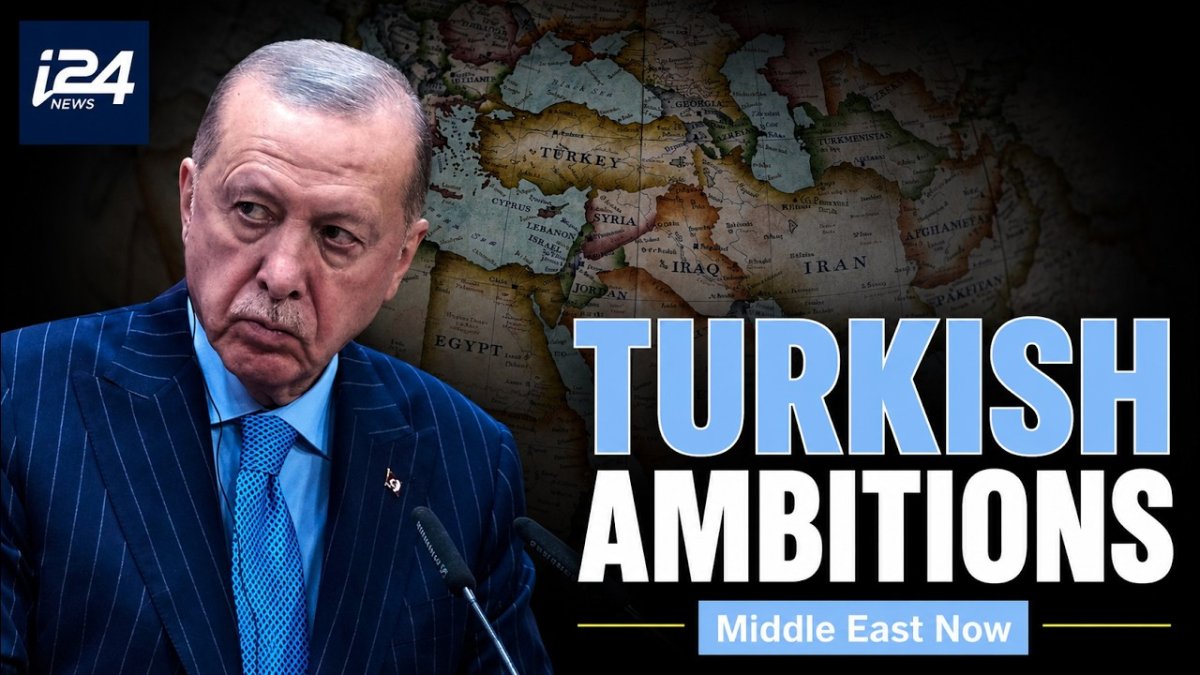
Turkey Hosts NATO Summit and Strengthens US-Turkey Relations
Turkish officials confirmed that Ankara will host the NATO summit on July 7-8 2026 with President Trump scheduled to attend. Erdogan stated on June 24 2026 through Reuters that he would most likely hold bilateral talks with Trump during the event. Trump informed Erdogan that his attendance was arranged specifically for the Turkish leader according to Middle East Eye reporting. This gathering occurs as Turkey commands NATO's second-largest military force equipped with advanced fighter jets naval vessels and Bayraktar drones. Israeli planners note that the summit venue in Ankara gives Erdogan a prominent stage to demonstrate military reach at a moment when post-Iran war realignments are still settling across the region.
Israeli security planners in Tel Aviv monitor these developments because Turkish military expansion directly affects airspace coordination over the Eastern Mediterranean and potential operations near the Syrian border. The summit timing allows Erdogan to showcase capabilities to NATO allies while signaling autonomy from Washington. For Jerusalem this development raises questions about future coordination on counterterrorism along the Golan Heights and in the West Bank where Palestinian factions maintain contacts with Turkish intermediaries. Recent Turkish statements on historical claims to Jerusalem continue to echo in policy discussions and heighten vigilance among Israeli defense establishments.
Israeli Minister Amichai Chikli described Erdogan as a jihadist in a suit and sworn enemy of Israel and the West. Chikli warned of neo-Ottoman ambitions and called for a strengthened Israel-Greece-Cyprus alliance to counter Turkish moves. These statements reflect Jerusalem's assessment that the July 2026 summit could legitimize Ankara's dual-track approach of engaging Washington while advancing independent regional goals. The minister's remarks come amid ongoing Turkish support for Hamas political structures based in Istanbul which Israeli intelligence continues to track as a persistent operational concern.
Brookings Institution analysts note Turkey's post-American hesitation creates rivalry with Israel over Syria and the Eastern Mediterranean. The presence of President Trump at the Ankara summit therefore carries direct implications for Israeli defense planning and diplomatic maneuvering in the months ahead. With Turkey's defense exports reaching 5.5 billion dollars in 2025 and targeting over 6 billion dollars in 2026 the platform provided by the summit could further amplify Ankara's leverage in ways that require sustained Israeli attention to maritime routes and energy infrastructure projects involving Greece and Cyprus.
Turkey's Defense Industry and Military Expansion
Turkey's defense sector has accelerated production of unmanned aerial systems and integrated air defense platforms in recent months. These assets position Turkish forces to influence outcomes in northern Syria where the IDF maintains observation points and conducts targeted operations against Iranian-linked militias. Israeli defense officials note that Ankara's growing arsenal creates new variables for joint exercises with Greece and Cyprus. Companies such as Baykar ASELSAN TAI and Roketsan have driven this expansion supplying Bayraktar TB2 drones that have seen extensive use in Ukraine Libya Nagorno-Karabakh and parts of Africa.
Turkish defense exports reached record levels with Bayraktar drones supplied to Latin America Africa and Ukraine. This global expansion strengthens Erdogan's leverage within NATO while providing revenue for further indigenous weapons development. Israeli planners assess that such exports enhance Turkey's ability to project power beyond its immediate borders into areas of strategic interest to Jerusalem. Concerns remain that advanced drone technology could eventually reach non-state actors including Hamas or Hezbollah thereby complicating Israeli operations along multiple fronts.
The Turkey-Qatar-Pakistan axis raises additional concerns for Israel as coordinated military cooperation could affect operations in multiple theaters. Israeli intelligence agencies including Mossad and Shin Bet track these developments closely because Turkish military growth directly influences freedom of action along the northern border and in Gaza. Turkish military bases in Qatar Somalia and Libya further extend this reach creating logistical nodes that Israeli analysts must incorporate into contingency planning for potential multi-front scenarios.
Chatham House reported in June 2026 that the Iran war expands Turkey's regional role through increased defense production. This growth forces Israel to recalibrate its own procurement and alliance strategies with Greece and Cyprus to maintain qualitative edges in the Eastern Mediterranean. The EastMed pipeline project and related energy cooperation among Israel Greece and Cyprus now serve as practical countermeasures to Turkish maritime assertions in disputed waters.
The Iran War and Turkey's Strategic Position
NATO forces intercepted Iranian missiles over Turkish airspace during the Iran war demonstrating Ankara's central geographic role in regional air defense. A June 2026 MIT intelligence report urged war readiness while preserving communication lines with Israel according to Nordic Monitor. The document outlined contingency planning for multiple fronts including potential spillover from Syrian territory. Israeli agencies interpret these preparations as evidence of Ankara's intent to shape post-conflict outcomes in ways that could limit IDF maneuverability.
Israeli intelligence agencies assess these Turkish preparations as part of a broader pattern that could constrain IDF freedom of action in southern Lebanon and Gaza. The report's emphasis on dual-track diplomacy with both Western and Iranian actors underscores Ankara's strategy of hedging during periods of Middle East instability. Turkish intelligence chief Ibrahim Kalin has played a visible role in maintaining these parallel channels which Jerusalem views as a means to extract concessions from multiple sides simultaneously.
Media Line analysis indicates Turkey's post-Iran-war rise opens a strategic fault line with Israel. Turkish influence in Syria and access to Iraq allow Ankara to shape outcomes that affect Israeli security calculations along the Golan Heights and in the West Bank. Cross-border operations such as Peace Spring Olive Branch and Claw-Sword illustrate how Turkish forces have already altered the ground reality in northern Syria creating new variables for Israeli border security.
Chatham House June 2026 reporting highlights how the Iran war elevated Turkey's position within NATO while simultaneously increasing its independent maneuvering room. Israeli officials therefore view Ankara's enhanced role as requiring sustained vigilance and strengthened ties with Greece and Cyprus. The Abraham Accords have meanwhile produced alignments that exclude Turkey prompting Ankara to pursue normalization with the UAE Saudi Arabia and Egypt in recent years as a counterbalance.
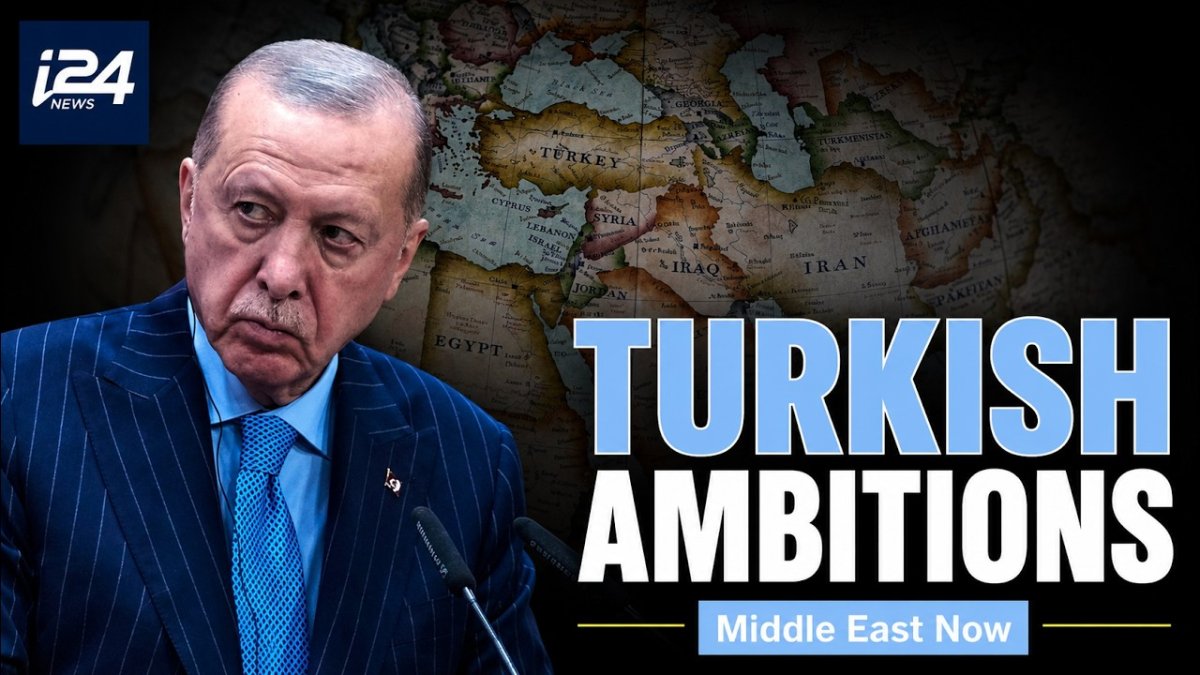
Israel-Turkey Rivalry and Regional Competition
Israeli Minister Chikli publicly labeled Erdogan a sworn enemy of Israel and the West while warning of neo-Ottoman ambitions across the region. These remarks followed Turkish assertions of historical claims to Jerusalem and continued intervention in Syria Iraq and Libya. Jerusalem interprets such statements as evidence of long-term strategic competition rather than temporary friction. Erdogan's 2020 declaration that Jerusalem is our city continues to resonate in Israeli policy circles as a marker of enduring ideological divergence.
Israel has responded by deepening cooperation with Greece and Cyprus to counter Turkish influence in the Eastern Mediterranean. Joint naval exercises and energy infrastructure projects now form core elements of this trilateral partnership aimed at limiting Ankara's reach. Israeli security planners regard these alliances as essential for maintaining maritime access and energy security. The removal of Turkey from the F-35 program following its S-400 purchase and subsequent CAATSA sanctions has further isolated Ankara from certain Western defense integration efforts.
Brookings Institution assessments describe rivalry with Israel over Syria and the Eastern Mediterranean as a defining feature of Turkey's post-American hesitation. Turkish channels to Iran combined with influence in Syria and access to Iraq create overlapping spheres where Israeli and Turkish interests diverge sharply. Turkish ratification of Finland's NATO membership while initially delaying Sweden's approval illustrated Ankara's willingness to use alliance processes for bilateral leverage.
The Media Line has documented how Turkey's post-Iran-war rise solidifies this fault line. Israeli policymakers therefore treat Ankara as an emerging long-term strategic challenge requiring coordinated diplomatic and military responses across multiple fronts. Close ties between Erdogan and Qatar's Emir Tamim add another layer of coordination that Israeli diplomacy must navigate when addressing regional proxy dynamics.
Turkey's Balancing Act: NATO Russia and China
Turkey continues balancing its NATO commitments with purchases of Russian S-400 systems and engagement with BRICS institutions. These moves occur even as Ankara hosts the July 7-8 2026 NATO summit attended by President Trump. Israeli analysts view this hedging strategy as evidence that Erdogan seeks maximum flexibility rather than full alignment with Western partners. The S-400 acquisition has already triggered US sanctions and exclusion from the F-35 program yet Ankara persists in exploring additional non-Western partnerships.
Turkish officials maintain open channels to Iran while expanding defense industry exports to Ukraine and African states. This dual approach allows Ankara to extract concessions from multiple powers simultaneously. Jerusalem monitors these activities because they affect the reliability of NATO coordination on issues ranging from missile defense to counterterrorism. Article 5 implications of Turkish involvement in external conflicts remain a point of discussion among Israeli strategists evaluating alliance predictability.
Chatham House June 2026 analysis notes that the Iran war has expanded Turkey's regional role without resolving its underlying tensions with NATO allies. The S-400 acquisition and BRICS outreach therefore remain sources of friction that Israeli defense planners must factor into long-term contingency planning. Turkish engagement with both Moscow and Beijing adds complexity to scenarios involving Eastern Mediterranean energy routes and Syrian reconstruction.
Israeli officials assess that Turkey's balancing act reduces the predictability of Ankara's behavior during future crises. This uncertainty reinforces the need for Israel to maintain independent capabilities and strengthen alternative partnerships with Greece and Cyprus in the Eastern Mediterranean. Sustained attention to Turkish drone proliferation and support networks for Palestinian factions remains central to Israeli threat assessments.
What This Means for Israel and the Region
Israeli security establishments regard Turkey as an emerging long-term strategic challenge that affects operations from the Golan Heights to Gaza. The July 7-8 2026 NATO summit in Ankara provides Erdogan a platform to showcase military capabilities while advancing neo-Ottoman objectives in Syria and the Eastern Mediterranean. Jerusalem therefore prioritizes enhanced coordination with Greece and Cyprus to offset Turkish influence. The combination of record defense exports and established military bases abroad amplifies the scope of this competition.
Minister Chikli's characterization of Erdogan as a jihadist in a suit reflects widespread Israeli concern over Turkish claims to Jerusalem and support for Palestinian factions. These positions combined with the Turkey-Qatar-Pakistan axis create additional pressure points for Israeli diplomacy and intelligence operations. Mossad and Shin Bet continue to monitor Turkish intermediaries and their contacts with groups active in the West Bank and Gaza.
Brookings and Chatham House assessments indicate that post-Iran-war dynamics have widened the strategic fault line between Israel and Turkey. Israeli planners must now account for Turkish military expansion record defense exports and continued access to Iraq and Syria when formulating policy. The EastMed pipeline and trilateral energy initiatives serve as tangible expressions of this recalibration.
The MIT June 2026 report on war readiness while preserving channels with Israel underscores Ankara's hedging posture. Israeli agencies including Mossad and Shin Bet therefore treat Turkey's NATO role and independent ambitions as factors requiring sustained attention in regional security calculations. This environment demands vigilant diplomacy and robust alliances to safeguard Israeli interests amid shifting Middle East alignments. By Hannah Berg, Staff Writer
This article was produced with AI-assisted research and editorial support. Reporting is based on sources cited in the article.
What's Your Reaction?
 Like
0
Like
0
 Dislike
0
Dislike
0
 Love
0
Love
0
 Funny
0
Funny
0
 Wow
0
Wow
0
 Sad
0
Sad
0
 Angry
0
Angry
0
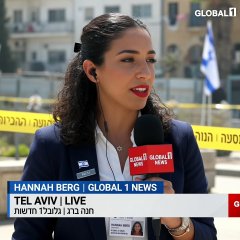
Israel Correspondent at Global1.News. Based in Tel Aviv, covering Israeli politics, security, technology, and society. Provides balanced, deeply-sourced reporting on one of the most closely-watched regions in the world.










Comments (0)