
Gulf Storm System Brings Torrential Rains to Northern Mexico
**Keywords:** Gulf storm Mexico, Coahuila rains, Nuevo León flooding, Tamaulipas weather, Monterrey Fan Fest, Campeche heat The Forming Storm System Weather authorities in Mexico and the United States have issued alerts for an area of atmospheric instability over the Gulf of Mexico. The National Meteorological Service of Conagua reports that this system carries a low to moderat
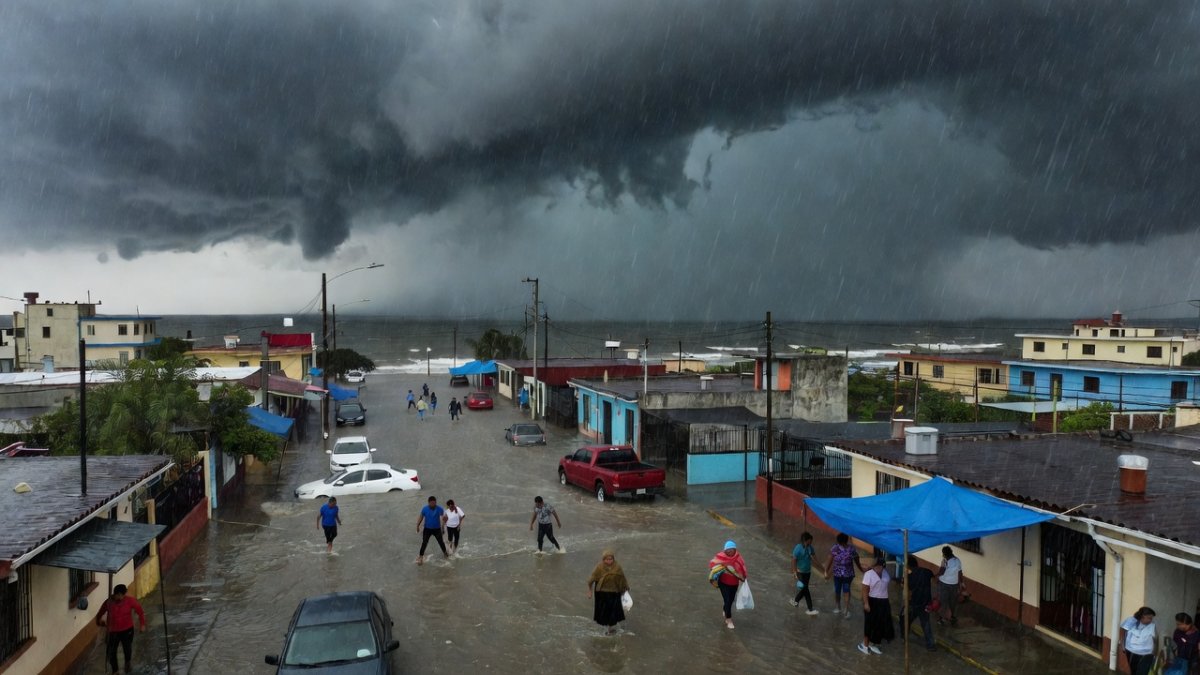
The Forming Storm System
Weather authorities in Mexico and the United States have issued alerts for an area of atmospheric instability over the Gulf of Mexico. The National Meteorological Service of Conagua reports that this system carries a low to moderate probability of developing into a hurricane. Families living along the coasts understand that even systems that remain below hurricane strength can still deliver serious rainfall that disrupts daily life in their communities.
The current setup combines this instability with an unseasonal frontal system, low-pressure troughs, and tropical wave No. 7. Together these features are already producing heavy to torrential rains across northern and eastern Mexico. Residents of coastal colonias know how quickly such combinations can turn routine afternoons into days of concern for homes and local roads.
Forecasters note that the instability sits off the coasts of Veracruz and Tamaulipas. While models suggest a possible northwest track toward the southeastern United States, the main immediate effect for Mexican communities remains rainfall rather than strong winds. This distinction matters deeply to families who prepare their homes and livelihoods around the expected rain.
Northern States Under Threat
Intense to torrential rainfall is forecast for Coahuila, Nuevo León, and Tamaulipas. These conditions raise the risk of flooding, landslides, rising river and stream levels, and severe waterlogging in urban areas. Families in rural ejidos and neighborhood colonias watch the skies closely because their homes and small plots of land sit near waterways that can rise quickly during prolonged downpours.
Many households in these states rely on daily routines that become difficult when streets fill with water. Small businesses that serve local communities often see fewer customers as people stay indoors. The combination of heavy rain and saturated ground can also affect access to schools and markets that families depend on for basic needs.
Community members share updates with one another about which roads remain passable and which areas near streams need extra attention. This kind of local knowledge helps protect children and elderly relatives when official alerts mention possible landslides. The shared concern for one another reflects the strong ties that bind families across these northern states.
Monterrey's World Cup Disruption
Monterrey, the capital of Nuevo León and a World Cup host city, has already felt the effects of the heavy rains. The FIFA Fan Fest was suspended on Monday because of the ongoing downpours. Local families who had planned to gather and celebrate the upcoming tournament now find themselves adjusting their schedules around the weather.
Small vendors and taquerías that set up near the Fan Fest area experienced an immediate drop in business. These family-run operations count on event crowds for steady income, and the sudden cancellation affects their ability to cover daily expenses. The economic ripple reaches beyond the event itself into the neighborhoods where these businesses operate.
No official announcement has been made regarding further cancellations. Residents continue to follow updates while hoping the rains ease enough to allow community gatherings to resume. The situation highlights how weather events can intersect with major international events that bring pride and economic activity to the city.
Southeastern Heat Extreme
While northern states receive heavy rain, southeastern states such as Campeche and Yucatán are experiencing very high temperatures reaching up to 45 degrees Celsius before the storms arrive. Families in these regions face a different but equally challenging set of conditions as they prepare for possible later rainfall.
Households manage the intense heat by adjusting daily activities to cooler morning and evening hours. Markets and small businesses often see changes in customer patterns as people seek shade during the hottest parts of the day. The contrast between the northern rains and southern heat shows how one weather system can create varied impacts across Mexico.
Community networks help share information about staying safe in extreme heat while also watching for any signs that storms may move southward later. This dual awareness keeps families prepared for shifting conditions. The resilience shown by residents reflects long-standing experience with Mexico's diverse climate patterns.
Maritime Safety Measures
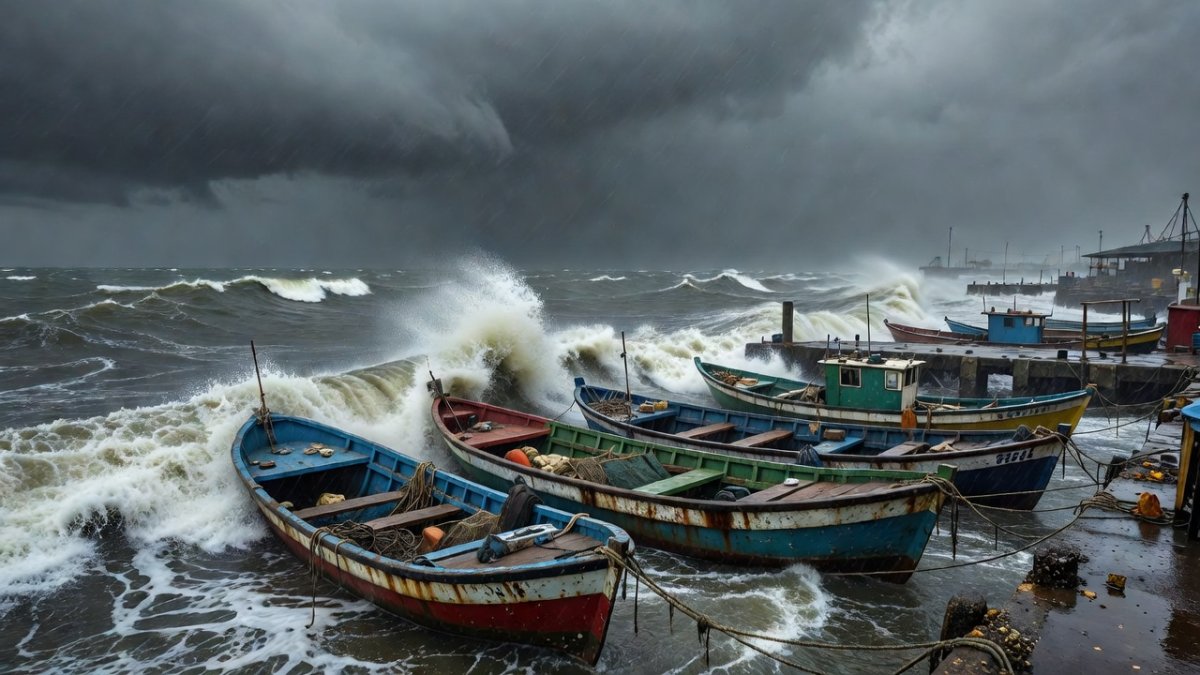
Authorities have ordered ships and fishermen to suspend activities because of high waves that will affect navigation. This decision protects lives at sea but creates immediate challenges for families whose livelihoods depend on daily catches off the coasts of Veracruz and Tamaulipas.
Fishing communities often plan their weeks around the sea, and sudden suspensions mean lost income that affects household budgets. Families discuss ways to stretch resources while waiting for conditions to improve. The safety measure, though necessary, touches the heart of local economies built around the Gulf.
Many fishing families have deep generational ties to the water. They monitor official updates closely and support one another during periods when boats remain docked. These pauses remind everyone of the powerful connection between weather patterns and the daily work that sustains coastal colonias.
Civil Protection and Community Response
Civil protection authorities urge the public to stay informed through official channels and to take extreme precautions in areas vulnerable to flooding and landslides. This guidance reaches families through radio, local networks, and community leaders who translate alerts into practical steps.
In remote ejidos and urban colonias, neighbors often check on one another, especially households with elderly members or young children. Shared information about rising water levels or blocked roads helps everyone make safer decisions. These informal networks complement official warnings and strengthen community bonds during uncertain weather.
Residents understand that preparation includes securing belongings, identifying higher ground, and keeping communication lines open. The emphasis on collective care reflects values that run deep in Mexican society. Families draw on this spirit as they respond to the current alerts from weather authorities.
Looking Ahead
The system is expected to continue moving across the Gulf, with models indicating a possible approach toward the southeastern United States. For Mexican communities, forecasters anticipate that rainfall will remain the primary concern rather than cyclonic winds. Families in northern states are preparing for additional days of heavy precipitation.
Continued rain could bring further rises in river levels and additional urban waterlogging. Small businesses and households alike watch forecasts to decide when it is safe to resume normal activities. The focus stays on protecting homes and supporting neighbors through the extended period of wet weather.
Authorities and communities alike stress the importance of remaining alert and following official guidance. Families across Coahuila, Nuevo León, and Tamaulipas know that staying prepared helps reduce risks when weather systems linger. This shared vigilance supports the safety and well-being of everyone affected by the Gulf instability.
By Rosa Martinez, Staff Writer
This article was produced with AI-assisted research and editorial support. Reporting is based on sources cited in the article.
What's Your Reaction?
 Like
0
Like
0
 Dislike
0
Dislike
0
 Love
0
Love
0
 Funny
0
Funny
0
 Wow
0
Wow
0
 Sad
0
Sad
0
 Angry
0
Angry
0
Latin America/Andes Correspondent at Global1.News. Based in Bogota, covering politics, environment, energy, and social movements across the Andean region. Passionate about environmental journalism and communities protecting their land.











Comments (0)