
Tim Payne Viral Rise: All Whites Defender's 2026 Spotlight
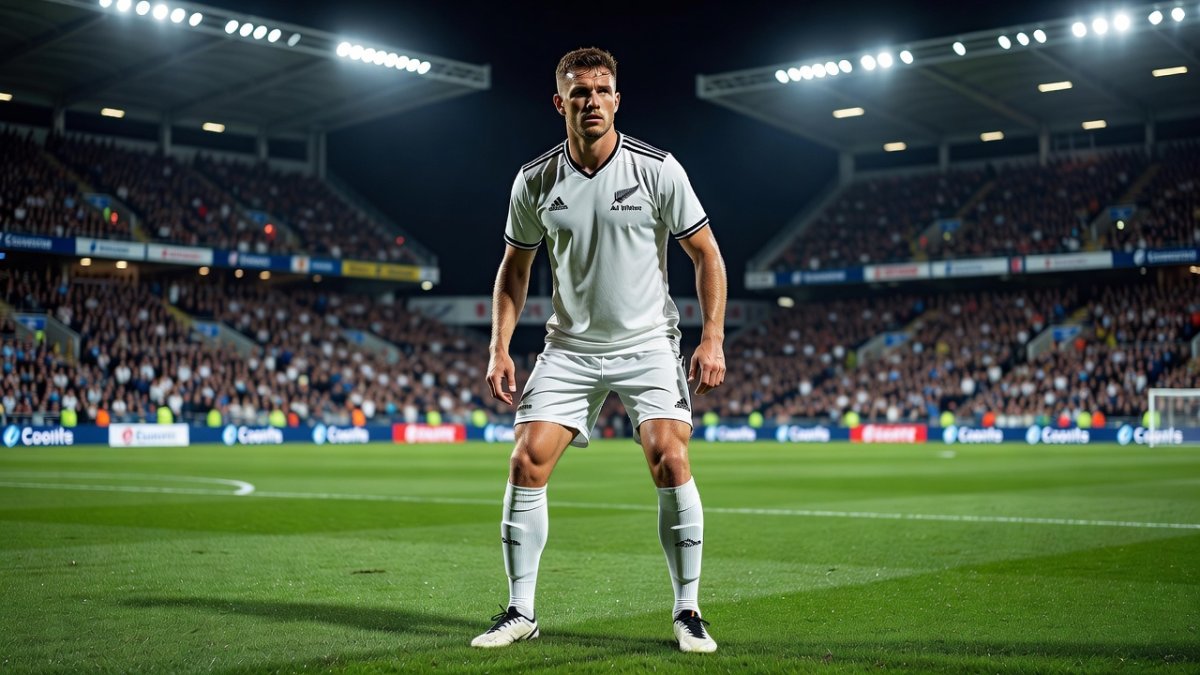
Tim Payne, a 32-year-old New Zealand defender for the All Whites, entered the 2026 FIFA World Cup conversation with roughly 4,700 Instagram followers. Within days of Argentine influencer Valen Scarsini — better known online as El Scarso — launching his "least-known player" challenge, Payne's following exploded past five million. The Al Jazeera English report by Perry Wilton, pu
Tim Payne, a 32-year-old New Zealand defender for the All Whites, entered the 2026 FIFA World Cup conversation with roughly 4,700 Instagram followers. Within days of Argentine influencer Valen Scarsini — better known online as El Scarso — launching his "least-known player" challenge, Payne's following exploded past five million. The Al Jazeera English report by Perry Wilton, published on 15 June 2026, captured every dramatic turn of a story that has become one of the most unexpected subplots of the expanded 48-team tournament co-hosted by the United States, Canada and Mexico.
The Viral Explosion
The sudden surge in Tim Payne's Instagram following caught everyone in New Zealand football circles by surprise, especially those who had followed his steady career with the All Whites over the past decade. Payne had been a reliable defender in domestic leagues and occasional international qualifiers, yet his profile remained modest until the challenge took hold. Within 72 hours the numbers climbed from under 5,000 to well over a million, driven by shares across platforms that reached audiences far beyond traditional football fans. South African observers noted similar spikes when young Bafana Bafana talents appeared in MultiChoice Diski Challenge highlights, showing how quickly visibility can shift in the modern game.
Local media in Auckland scrambled to explain the phenomenon, interviewing coaches who had worked with Payne during his formative years in the New Zealand system. They emphasised that his defensive positioning and leadership qualities had always been there, but the algorithm simply needed the right prompt to surface them. The Al Jazeera English piece by Perry Wilton highlighted how the 48-team format of the 2026 tournament created space for stories like this to emerge alongside bigger names. In South Africa, SAFA officials watched with interest, recognising that grassroots players in the Premier Soccer League academies could experience the same overnight attention if the right narrative caught fire.
Payne himself admitted in follow-up interviews that he had never anticipated such attention, having focused instead on preparing for New Zealand's group stage matches. The explosion forced his club and national team staff to manage media requests while protecting training schedules ahead of the co-hosted tournament. This rapid rise also sparked conversations in Johannesburg about how transformation policies at SAFA could harness similar digital moments to promote previously overlooked talents from township leagues. The contrast between Payne's quiet professionalism and the sudden global spotlight illustrated how social media now intersects with every aspect of international football preparation.
How El Scarso's Challenge Worked
Valen Scarsini, operating under the handle El Scarso, designed the "least-known player" challenge as a light-hearted way to spotlight footballers who rarely receive mainstream coverage despite representing their nations at the highest level. The format involved posting short clips of lesser-known squad members and inviting followers to guess their identities, with Payne selected as one of the first subjects because of his low follower count at the time. Each video included basic biographical details and match footage that highlighted defensive contributions without the glamour usually reserved for attacking stars. South African content creators have run comparable series during the MultiChoice Diski Challenge, using SuperSport airtime to elevate young players from the Premier Soccer League reserves.
The mechanics relied heavily on algorithmic amplification once initial engagement thresholds were crossed, turning a niche Argentine influencer into an unexpected global curator of World Cup narratives. Scarsini posted daily updates tracking follower growth, which encouraged viewers to participate by sharing the content within their own networks. This participatory element mirrored grassroots development programmes run by SAFA, where community involvement helps identify talent that might otherwise remain hidden in rural provinces. The challenge's success demonstrated that audiences crave authentic stories beyond the established superstars who dominate commercial broadcasts.
Critics within football governance circles questioned whether such viral mechanics could distract players from tactical preparation, yet Payne maintained focus throughout the period leading to the Florida meeting. New Zealand's qualification campaign had already been completed successfully, allowing the squad to absorb the extra attention without compromising training camps. In South Africa, similar digital experiments have been integrated into SAFA's youth programmes to build fan engagement while supporting transformation objectives that prioritise previously marginalised communities. The structured yet organic nature of the challenge ultimately proved more constructive than many administrators initially feared.
The Florida Meeting and Human Story
The face-to-face encounter between Tim Payne and Valen Scarsini took place in Florida during the final pre-tournament training window, providing a human dimension to what had begun as a purely digital phenomenon. Payne arrived at the arranged location still processing the scale of his new audience, while Scarsini expressed genuine surprise at how the challenge had resonated across continents. Their conversation covered everything from Payne's early days playing in New Zealand school leagues to the pressures of representing a smaller football nation on the global stage. Parallels emerged with South African players who have navigated sudden fame after standout performances in the Premier Soccer League before earning Bafana Bafana call-ups.
Payne spoke candidly about balancing family life with the demands of international football, noting that his wife and children had remained grounded despite the follower count climbing into the millions. Scarsini shared insights into his own journey as an influencer who began by documenting obscure matches across South America, eventually finding an audience hungry for untold stories. The meeting humanised both men and underscored the role of personal connection in an era dominated by metrics and algorithms. SAFA development officers have long advocated for similar direct engagement between established professionals and emerging talents from township academies to foster mentorship networks.
Photographs from the Florida encounter circulated widely, further boosting Payne's visibility while also highlighting New Zealand's qualification achievement for the expanded 48-team tournament. The interaction reinforced that behind every viral statistic lies a dedicated athlete whose career has been built through years of consistent effort rather than overnight fame. In the South African context, such stories resonate strongly because they echo the journeys of players who rose through SAFA's grassroots structures before reaching the Premier Soccer League and eventually the national team. The meeting therefore served as both a personal milestone and a broader commentary on how modern football connects individuals across cultures.

All Whites' World Cup Prospects
New Zealand's qualification for the 2026 FIFA World Cup marked another chapter in the All Whites' ongoing efforts to establish themselves as a competitive force from the Oceania region. Tim Payne's experience as a 32-year-old defender brings leadership and tactical awareness that coach and teammates value highly during the group stage matches scheduled across North American venues. The expanded 48-team format offers smaller nations like New Zealand greater opportunities to progress beyond the opening rounds, provided defensive organisation remains solid. Observers in South Africa drew comparisons with Bafana Bafana's own qualification campaign, noting how both teams rely on experienced players to anchor younger squads.
Payne's defensive contributions in qualifiers demonstrated the reliability that has defined his career, including crucial interventions in matches against stronger Asian and Oceanian opponents. The viral attention has not altered his on-field priorities, as he continues to focus on set-piece defending and distribution from the back. New Zealand's preparation camps emphasised collective cohesion over individual stardom, a philosophy that aligns with SAFA's emphasis on team-oriented development in the Premier Soccer League. The presence of millions of new followers on social media has, however, created additional commercial opportunities that the New Zealand Football Federation must manage carefully.
Analysts expect Payne to feature prominently in the opening fixtures, where his familiarity with high-pressure situations could prove decisive against technically gifted opponents. The co-hosting arrangement across the United States, Canada and Mexico provides varied playing conditions that will test the squad's adaptability. South African fans following the tournament will recognise similar challenges faced by Bafana Bafana in previous global competitions, where experience often compensates for limited resources. Payne's story therefore adds a compelling subplot to New Zealand's broader ambitions at the expanded World Cup.
South African Football Parallels
The rapid elevation of Tim Payne's profile through social media echoes patterns observed within South African football, particularly during the annual MultiChoice Diski Challenge where young talents gain sudden visibility. SAFA has worked to channel such moments into structured development pathways that support transformation objectives across the Premier Soccer League. When previously unknown players attract large followings, the federation encourages clubs to integrate them into professional environments rather than allowing the attention to dissipate. This approach mirrors the grassroots initiatives that have produced several current Bafana Bafana squad members who qualified for the 2026 tournament.
SuperSport broadcasts of Diski Challenge matches have created similar viral spikes, with highlight reels shared widely and leading to increased attendance at lower-division games. SAFA administrators view these digital phenomena as opportunities to promote the sport in communities historically underrepresented in professional football. The Payne story reinforces the importance of maintaining focus on long-term development even when short-term fame arrives unexpectedly. South African coaches frequently cite the need for mental resilience training to help players navigate the transition from obscurity to widespread recognition.
Payne's journey also highlights the value of experienced defenders in national team setups, a lesson SAFA has applied when selecting Bafana Bafana squads for major tournaments. The Premier Soccer League continues to serve as the primary platform where such talents are identified and refined before international exposure. By studying how New Zealand managed the influx of attention around Payne, South African stakeholders can refine their own strategies for balancing commercial interest with sporting priorities. The parallels ultimately strengthen the case for continued investment in grassroots structures that feed both domestic leagues and the national team.
Social Media and Modern Football Governance
Football governance bodies worldwide, including SAFA, now recognise that social media dynamics directly influence player development and fan engagement strategies. The Tim Payne case illustrates how external influencers can accelerate visibility for athletes who previously operated outside mainstream coverage, creating both opportunities and regulatory challenges. New Zealand's federation had to implement media protocols rapidly to protect Payne's preparation time, a situation SAFA has encountered when Premier Soccer League players experience sudden online surges. Effective governance requires clear guidelines that preserve focus on performance while capitalising on the commercial benefits of increased exposure.
Transformation policies in South African football emphasise equitable access to digital platforms so that talents from all provinces can benefit from similar visibility boosts. SAFA has partnered with broadcasters like SuperSport to ensure that MultiChoice Diski Challenge content reaches wider audiences, fostering the same participatory culture that propelled Payne's follower count. Governance frameworks must also address the mental health implications of rapid fame, particularly for players in their early thirties who may not have anticipated such shifts. The 2026 World Cup's expanded format amplifies these considerations because more nations will field squads containing athletes with varying levels of prior recognition.
International federations are increasingly collaborating on best practices for managing viral moments, drawing lessons from cases like Payne's that crossed multiple continents. South African authorities continue to refine their approach by integrating social media literacy into SAFA's coaching education programmes. This proactive stance ensures that the sport's growth remains aligned with development goals rather than being dictated solely by algorithmic trends. The intersection of governance and digital culture will shape how future World Cup participants from smaller nations navigate their journeys.
What to Watch For — Tim Payne, Bafana Bafana, and 2026 World Cup Lessons
As the 2026 FIFA World Cup approaches, Tim Payne's continued performances will offer insights into how veteran defenders adapt when thrust into unexpected global conversations. New Zealand's group stage matches will reveal whether the All Whites can leverage the expanded tournament structure to achieve historic results. Observers should monitor how Payne balances the demands of his enlarged audience with on-pitch responsibilities, providing a case study for other national teams. Bafana Bafana's own campaign will similarly test South Africa's ability to convert grassroots investment through SAFA into sustained international competitiveness.
The MultiChoice Diski Challenge remains a key pipeline for identifying South African talents who could experience comparable visibility spikes during the tournament. SAFA's ongoing transformation efforts will be measured by how effectively emerging players from diverse backgrounds are integrated into the Premier Soccer League and national setup. Lessons from Payne's story suggest that proactive media management and mental preparation are essential components of modern player development. South African fans will watch closely to see whether Bafana Bafana can generate their own viral narratives while maintaining tactical discipline.
Ultimately, the 2026 World Cup will serve as a testing ground for how football institutions across continents respond to the convergence of social media influence and competitive demands. Payne's trajectory from modest follower counts to millions offers a template for smaller football nations seeking greater recognition. In South Africa, the interplay between SAFA programmes, the Premier Soccer League and digital platforms will determine whether similar breakthroughs translate into lasting structural improvements. The lessons extend beyond individual stories to the broader evolution of the game in an era of 48-team tournaments and instant global connectivity.
By Dante Williams, Staff Writer
This article was produced with AI-assisted research and editorial support. Reporting is based on sources cited in the article.
What's Your Reaction?
 Like
0
Like
0
 Dislike
0
Dislike
0
 Love
0
Love
0
 Funny
0
Funny
0
 Wow
0
Wow
0
 Sad
0
Sad
0
 Angry
0
Angry
0

Breaking News and Investigations Correspondent at Global1.News. Based in London, covering global breaking news, security, and investigative stories. Known for digging deeper and connecting the dots across continents.









Comments (0)