
Fuel Rationing Tightens Across Moscow and Northern Russia After Sustained Refinery Strikes
Fuel Rationing Tightens Across Moscow and Northern Russia After Sustained Refinery Strikes Rationing Measures Roll Out Across the Capital Lukoil gas stations in Moscow and the surrounding region have capped gasoline sales at 100 liters per driver. Gazprom stations are restricting customers to 100-150 liters for both regular gasoline and diesel. ORTK, operating 36 stations acros
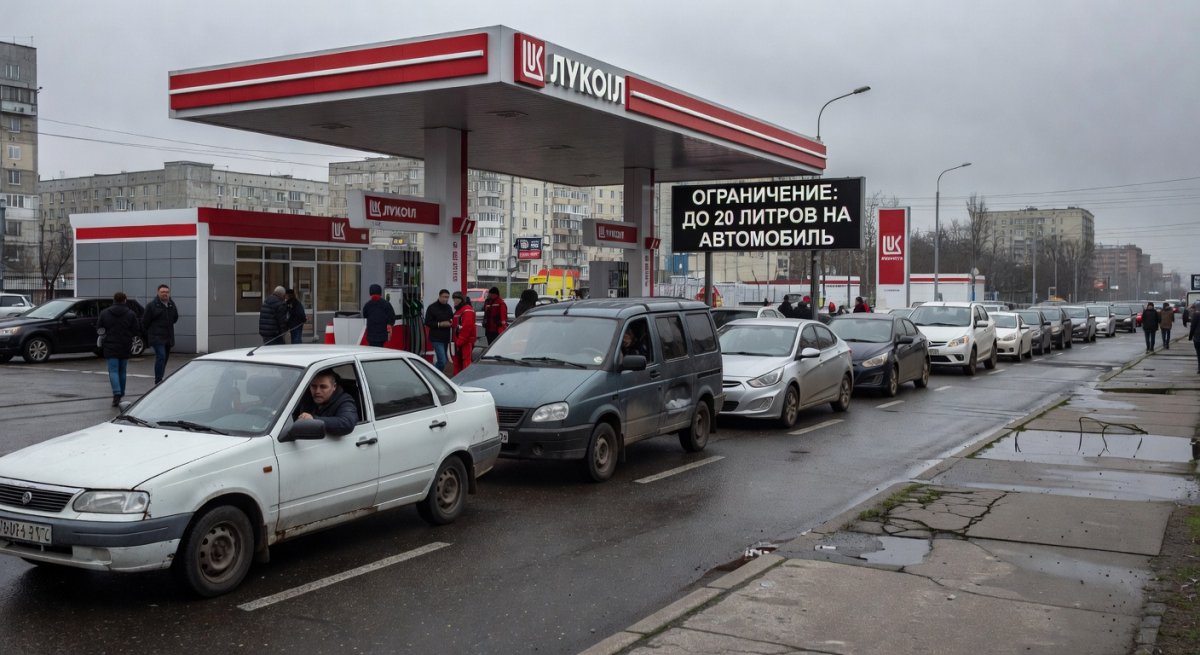
Rationing Measures Roll Out Across the Capital
Lukoil gas stations in Moscow and the surrounding region have capped gasoline sales at 100 liters per driver. Gazprom stations are restricting customers to 100-150 liters for both regular gasoline and diesel. ORTK, operating 36 stations across Moscow and the Moscow region, limited gasoline sales to 60 liters per driver as of Saturday. The General Fueller chain introduced 20-liter purchase limits at all 23 of its locations in Moscow, the Moscow region, and the neighboring Tver and Yaroslavl regions.
Restrictions Extend to St. Petersburg and Northern Regions
Drivers in St. Petersburg reported similar sale caps. Purchases of 20 liters per driver were also introduced in Karelia. These limits follow months of sustained Ukrainian drone attacks against major oil refineries across the country, with industry experts attributing the measures to supply chain disruptions.
Strict Controls in Annexed Crimea
Annexed Crimea has seen some of the strictest gasoline rationing, with Kremlin-backed authorities introducing hard caps and vouchers in late May. This development aligns with the broader pattern of purchase limits now appearing in Moscow and northern Russia.
Drone Strikes Disrupt Refining Capacity
Ukraine has ramped up attacks against Russian oil refineries, halting or scaling back production at facilities accounting for around one-quarter of the country's total refining capacity and more than 30% of its gasoline output. A total ban on gasoline exports remains in force across Russia through July 31.
Kremlin and Energy Ministry Maintain Supply Stability
The Kremlin acknowledged last month that gasoline production had decreased in some areas, but said it saw no risks of nationwide shortages. Russia's Energy Ministry has said supply remains stable and under control.
Potential Price Hikes and Supply Implications
Sources told RBC that Russian government officials are discussing increasing gasoline, diesel and jet fuel prices by 1.5 rubles to finance air defense systems at oil refineries. This could indicate mounting pressure on domestic fuel distribution as attacks continue, even as official statements emphasize controlled supply. Analysts suggest the localized caps signal vulnerabilities in regional logistics that may persist beyond the current export restrictions.
By Irina Volkov, Staff WriterThis article was produced with AI-assisted research and editorial support. Reporting is based on sources cited in the article.
What's Your Reaction?
 Like
0
Like
0
 Dislike
0
Dislike
0
 Love
0
Love
0
 Funny
0
Funny
0
 Wow
0
Wow
0
 Sad
0
Sad
0
 Angry
0
Angry
0
Russia/Eastern Europe Correspondent at Global1.News. Covering Russian politics, energy, security, and the shifting dynamics of the post-Soviet space. Provides clear-eyed analysis on one of the world's most opaque regions.









Comments (0)