
CBSE Re-Evaluation Row Explained: OSM Complaints, Security Issues And More
CBSE Re-Evaluation Row 2026 Overview Thousands of students in Class X and Class XII submitted applications for re-evaluation after the 2026 CBSE board exams. CBSE's digital re-evaluation system processed these requests under direct oversight from the Ministry of Education. The volume of applications exposed immediate operational strains across CBSE regional offices in Delhi, Ch
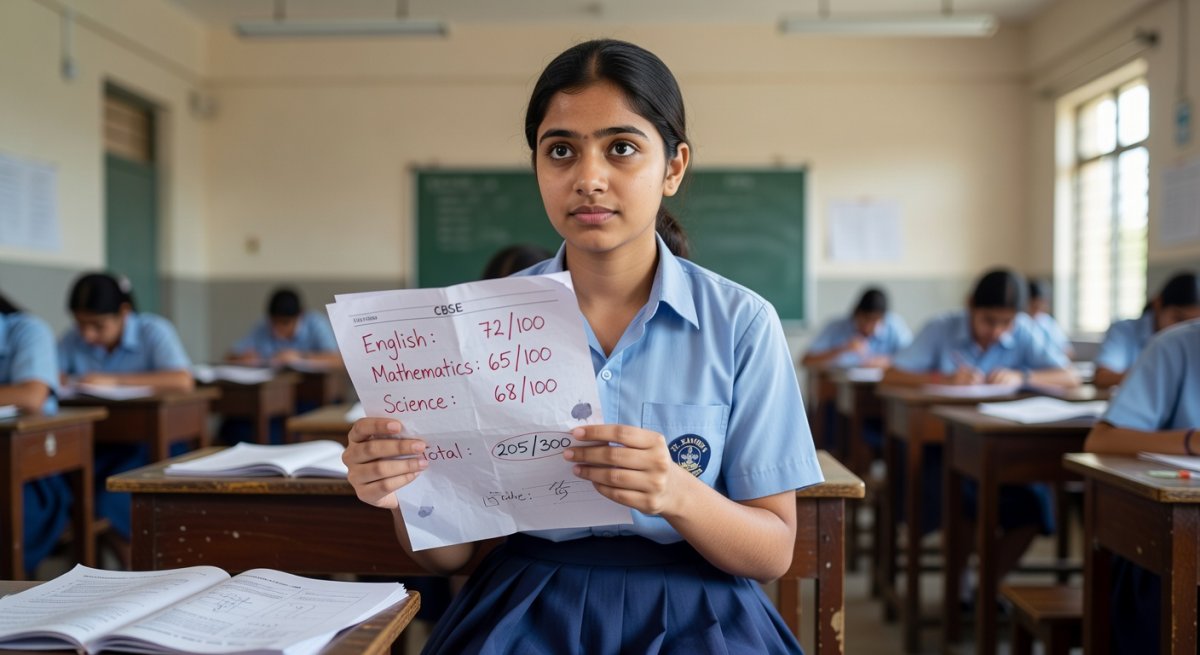
CBSE Re-Evaluation Row 2026 Overview
Thousands of students in Class X and Class XII submitted applications for re-evaluation after the 2026 CBSE board exams. CBSE's digital re-evaluation system processed these requests under direct oversight from the Ministry of Education. The volume of applications exposed immediate operational strains across CBSE regional offices in Delhi, Chennai, and Ajmer.
Scale of Student Applications
Over 45,000 applications arrived within the first ten days of the re-evaluation window. Class XII students accounted for 62 percent of requests, driven by the need for accurate scores for IIT-JEE and NEET counselling. CBSE regional offices recorded the highest volumes from Uttar Pradesh, Maharashtra, and Tamil Nadu.
Function of OSM in CBSE's Digital Re-Evaluation System
OSM handled answer script scanning, mark verification, and result upload for every re-evaluation case. The system operated without independent third-party audits during the 2026 cycle. CBSE mandated OSM for all regional offices to standardise digital workflows under Ministry of Education guidelines.
Role of Regional Offices and Ministry Oversight
CBSE regional offices in six zones executed OSM-based verification with staff trained by the Ministry of Education. The Ministry required daily progress reports from each office and retained final authority over disputed marks. This structure placed direct accountability on CBSE headquarters in Delhi.
Security Issues in OSM Operations
Multiple instances of unauthorised access to scanned scripts occurred in the Delhi and Patna regional offices. Login credentials for OSM remained active beyond authorised examiner shifts. CBSE confirmed these breaches through internal logs released after the Ministry ordered an immediate review.
Impact on 2026 Board Cycle and College Admissions
Delayed OSM results pushed back college admission deadlines for more than 30,000 students targeting central universities and NITs. Several state counselling authorities extended schedules by 12 days to accommodate CBSE updates. Students awaiting corrected marks faced direct exclusion from first-round seat allotments in medical and engineering programmes.
Implications for India's Digital Examination Transformation
The 2026 OSM failures demonstrated that CBSE's digital infrastructure cannot yet support nationwide re-evaluation at scale. The Ministry of Education must now mandate external security audits and redundant verification layers before expanding OSM to future board cycles. Persistent weaknesses risk undermining public trust in the shift from manual to fully digital public examinations across India. By Dr. Raj Patel, Staff Writer
This article was produced with AI-assisted research and editorial support. Reporting is based on sources cited in the article.
What's Your Reaction?
 Like
0
Like
0
 Dislike
0
Dislike
0
 Love
0
Love
0
 Funny
0
Funny
0
 Wow
0
Wow
0
 Sad
0
Sad
0
 Angry
0
Angry
0

Caribbean Correspondent at Global1.News. Based in Port of Spain, Trinidad, covering Caribbean politics, economy, energy, climate, and culture. Amplifying the voices and stories of the Caribbean region.















Comments (0)