
Erdoğan convinced US to halt plan to arm Iranian opposition
Turkish Leverage in Washington Reshapes Iran Strategy Reports from Israeli media indicate that President Recep Tayyip Erdoğan directly influenced U.S. President Donald Trump to drop a proposal for arming Iranian opposition groups and Iraqi Kurdish factions. The plan, which reportedly included Israeli air support and weapons seized from Hamas and Hezbollah, never advanced after
Turkish Leverage in Washington Reshapes Iran Strategy
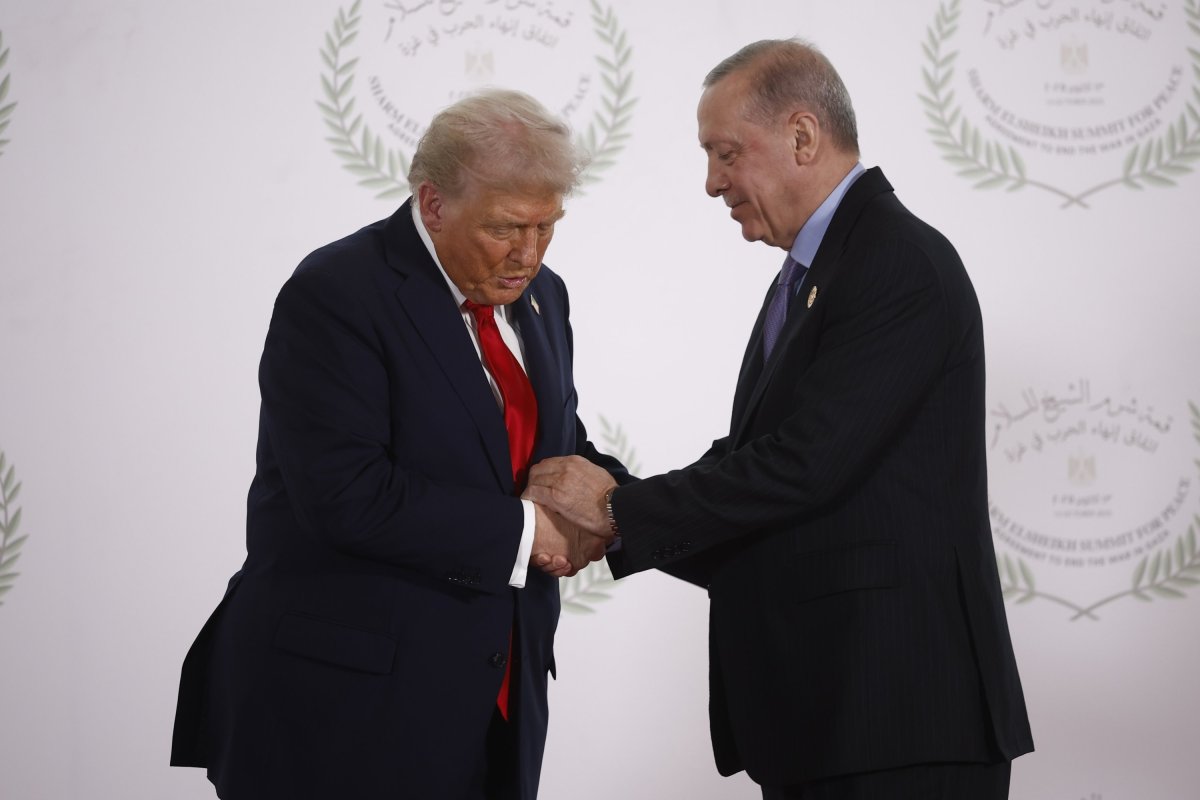
Reports from Israeli media indicate that President Recep Tayyip Erdoğan directly influenced U.S. President Donald Trump to drop a proposal for arming Iranian opposition groups and Iraqi Kurdish factions. The plan, which reportedly included Israeli air support and weapons seized from Hamas and Hezbollah, never advanced after Erdoğan raised objections in direct conversation with Trump.
Details of the Proposed Covert Initiative
According to the Jerusalem Post account, the scheme envisioned arming anti-Tehran elements inside Iran alongside Iraqi Kurdish groups. Israel was expected to enforce a no-fly zone and provide air cover against Iranian forces. White House officials allegedly passed details of the plan to Turkish contacts, prompting Erdoğan’s intervention. JD Vance’s office has denied any involvement by the vice president in leaking the information.
Turkey’s Strategic Calculus in Sunni-Shia Competition
Ankara’s decision to block the initiative reflects its broader effort to manage Iran’s regional proxy network without triggering uncontrolled escalation. Turkey shares borders with both Iran and Iraqi Kurdistan, giving it unique leverage over cross-border militant movements. By persuading Washington to stand down, Erdoğan avoided a scenario in which PKK-linked groups could gain new capabilities that might later be turned against Turkish interests.
Israeli Calculations and the Limits of Proxy Warfare
Former Israeli Military Intelligence chief Tamir Hayman’s recent comments confirm that Israel explored multiple covert avenues to weaken Tehran, including support for Kurdish factions opposed to the Iranian government. The reported plan to recycle seized Hamas and Hezbollah weapons illustrates Israel’s interest in low-cost pressure tactics that avoid direct U.S. troop involvement. Yet the failure of the initiative underscores the constraints Israel faces when Turkish objections are raised in Washington.
Historical Context of Kurdish Armed Groups
Efforts to mobilize Iraqi and Iranian Kurdish factions against Tehran have surfaced periodically since the 2003 Iraq war. Past attempts repeatedly collided with Turkish security concerns, given Ankara’s long-standing conflict with the PKK. The current episode follows the same pattern: Israeli interest in destabilizing Iran runs into Turkish insistence that any arming of Kurdish groups must not strengthen organizations Ankara designates as terrorist threats.
Second-Order Effects on Regional Alliances
The reported cancellation carries implications for U.S.-Turkish coordination on Iran policy and for the delicate balance between Israel and Turkey. Gulf states watching the episode will note that Ankara retains a direct channel to the White House capable of overriding Israeli preferences on certain covert operations. This dynamic may encourage further Turkish diplomatic activism in Washington whenever Iranian proxy activity threatens Turkish border security or energy routes.
Implications for Energy Markets and Stability
Any escalation involving armed Kurdish groups near Iranian oil infrastructure or Iraqi export pipelines carries risks for global energy prices. By helping to prevent such an operation, Erdoğan preserved a measure of stability along critical transit corridors. OPEC+ producers, already navigating output decisions, benefit indirectly from reduced uncertainty in northern Iraq and western Iran.
Outlook for Future Covert Pressure on Tehran
Separate Israeli reporting suggests Mossad has continued limited contacts with Iranian Kurdish opposition elements. However, the scale of any future support will likely remain constrained by the same Turkish red lines that halted the larger plan. The episode demonstrates that Ankara’s geographic position and diplomatic access continue to shape the boundaries of external efforts to undermine the Iranian government. By Malik Hassan, Staff Writer
This article was produced with AI-assisted research and editorial support. Reporting is based on sources cited in the article.
What's Your Reaction?
 Like
0
Like
0
 Dislike
0
Dislike
0
 Love
0
Love
0
 Funny
0
Funny
0
 Wow
0
Wow
0
 Sad
0
Sad
0
 Angry
0
Angry
0
Middle East Correspondent at Global1.News. Based in Beirut, covering politics, conflict, energy, and society across the Middle East. Brings context and depth to a region often reduced to headlines.












Comments (0)